
Quick answer
- Hi-Q offers key-fob programming, but support must be confirmed for the specific vehicle and key type.
- A basic remote, transponder key, proximity fob, and shell-only replacement call for different work.
- Programming, cutting a blade, duplication, and full replacement are separate parts of a vehicle key job.
- Have the vehicle details, key information, location, and proof of ownership or authorization ready before calling.
Does Hi-Q program key fobs?
Yes, Hi-Q offers key-fob programming for supported vehicles. Feasibility for a specific vehicle depends on its year, make, model, key type, and whether a working key exists. Some vehicles, certain manufacturers, or all-keys-lost situations may require a dealer or specific equipment.
- Vehicle year.
- Make and model.
- Type of key, such as a remote, transponder key, remote-head key, or proximity fob.
- Whether a working key exists.
- Whether all keys are lost.
- Exact vehicle location.
- Proof of ownership or authorization to request the work.
The key type matters because the word fob can describe a remote button unit, a chip-equipped key, or a proximity device. A key that locks and unlocks the doors may still need separate vehicle recognition before the car starts. Sharing whether the buttons, blade, and starting function work gives the caller a clearer starting point.
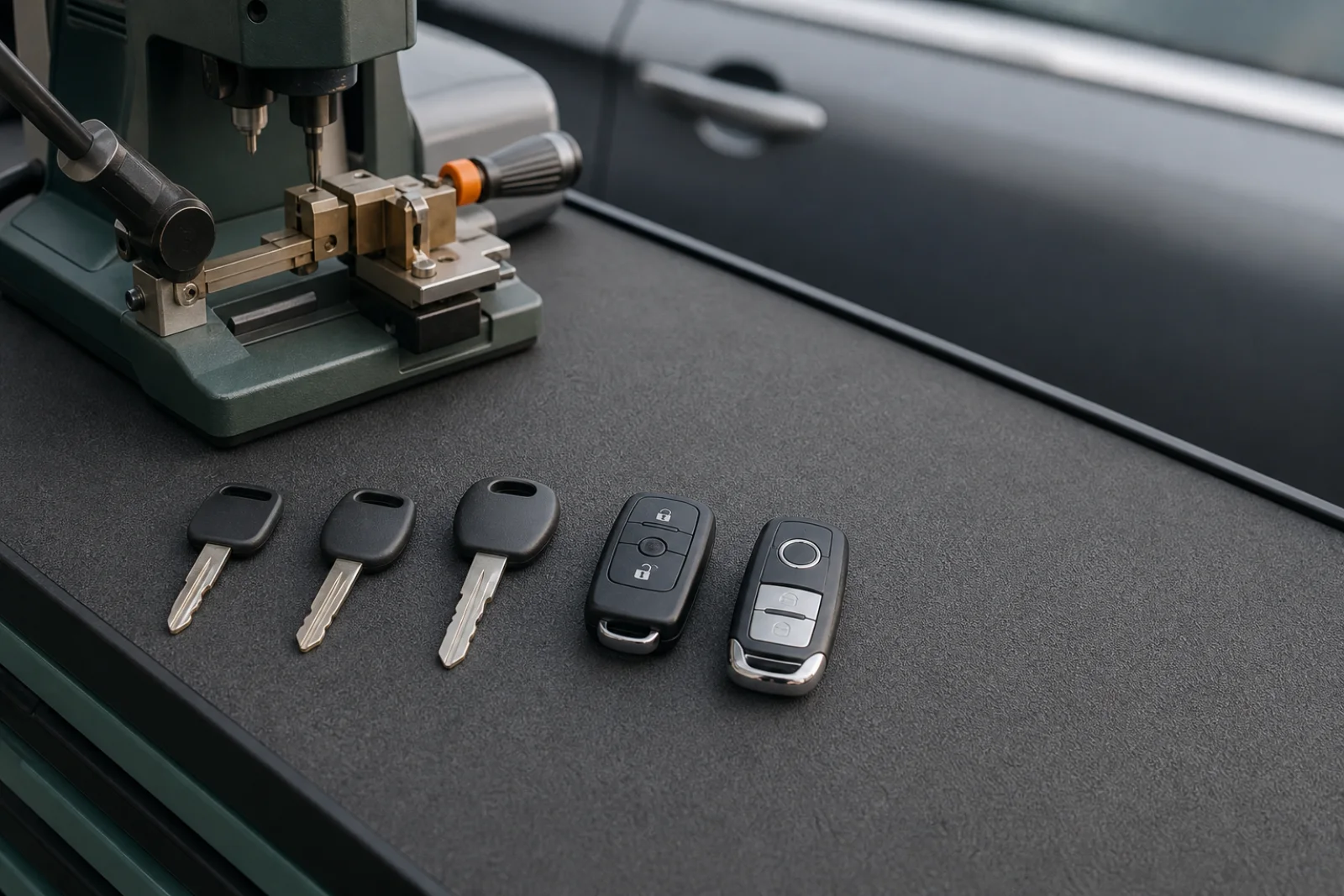
Working-key status changes the question. A working key may provide a useful reference for a duplicate or help identify the correct fob, while an all-keys-lost request can involve different security steps. Call to confirm current availability for the exact vehicle before arranging the work.
Do not rely on a picture or a general fob description alone when the vehicle can be checked by its identifying details. Part labels, button layouts, blade shape, and proximity markings can help, but the year, make, model, and key history are more useful for confirming the requested service. Keep the fob with you so its condition can be described accurately.
What counts as a key fob
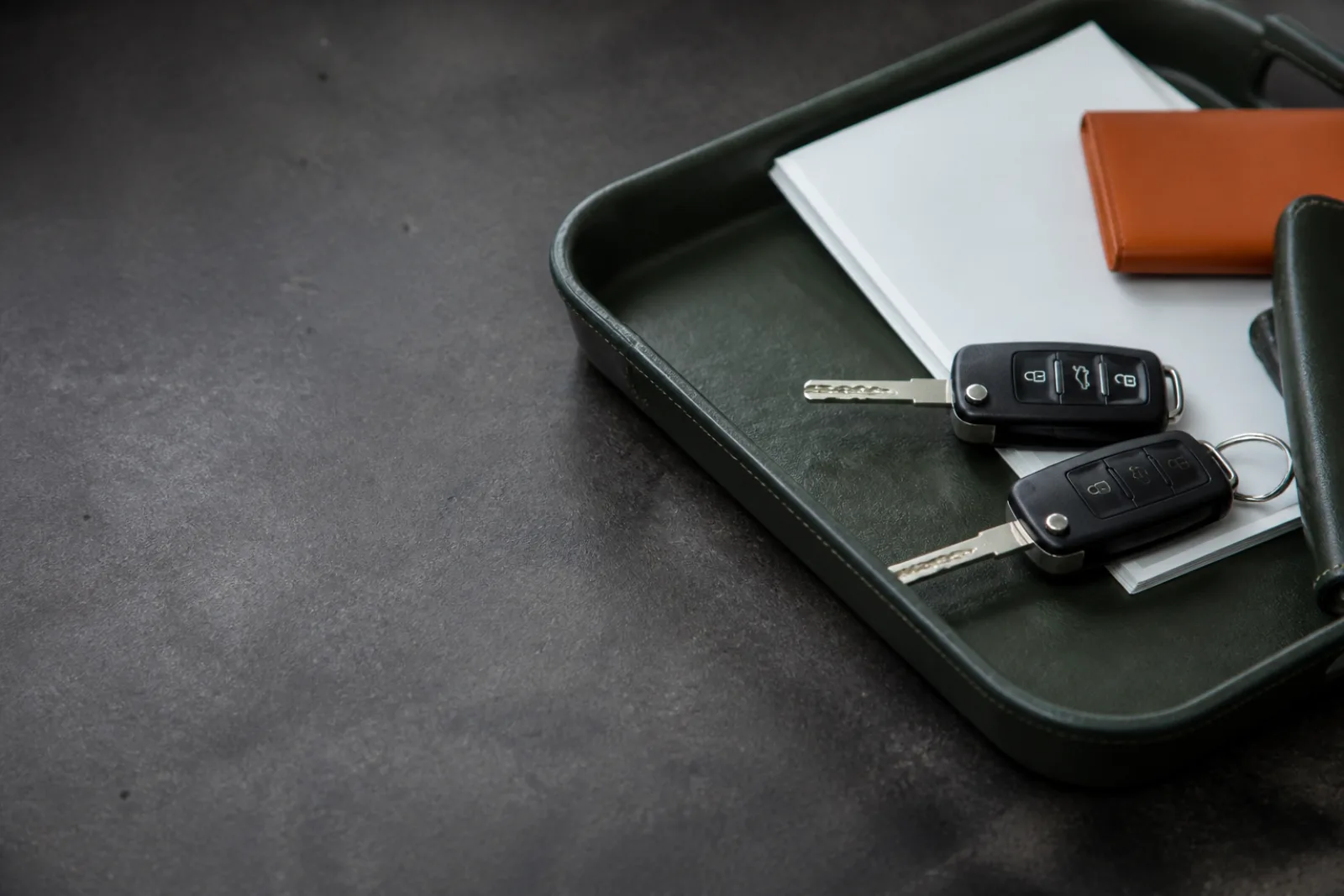
People often use key fob as a catch-all, but the parts and functions are not identical. Basic remotes usually send lock and unlock commands and may have no blade. Remote-head keys combine remote buttons with a mechanical blade.
- Basic remote: an electronic remote used for functions such as locking or unlocking, without necessarily containing a mechanical blade.
- Remote-head key: a key with a cut blade and remote buttons built into the same housing.
- Transponder key: a key containing a chip that the vehicle must recognize before it allows the engine to start.
- Proximity or smart fob: an electronic device used for functions such as passive entry or push-button start when supported by the vehicle.
- Shell-only replacement: an outer case that may hold existing electronics and a blade, but does not provide programming by itself.
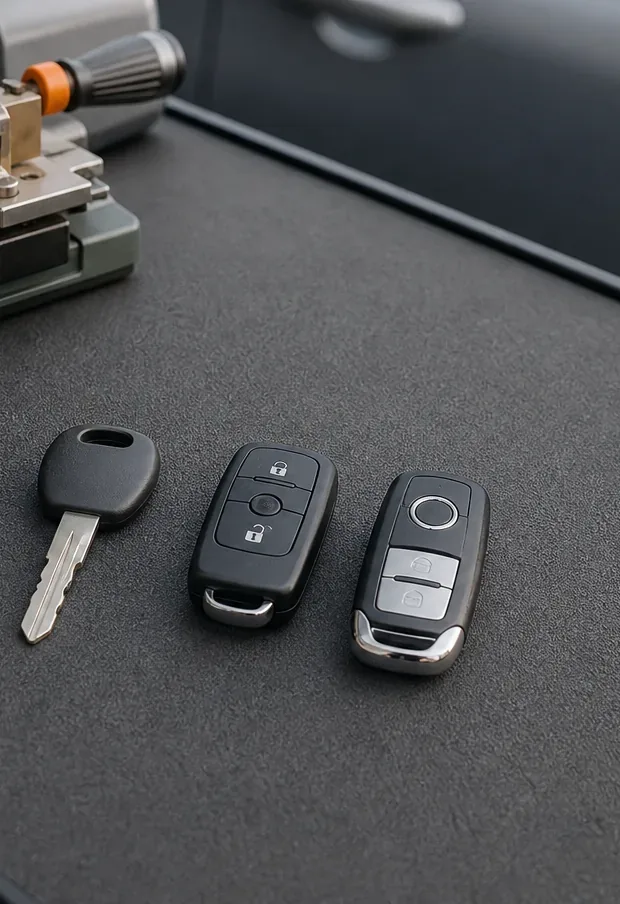
Some assemblies combine these categories, which is why a photo or the original part number can be useful. A shell-only replacement may preserve working electronics, but it does not create a programmed fob when the original electronics or vehicle pairing is missing.
Basic remotes may need electronic setup without changing the mechanical lock, while remote-head keys may need both programming and blade cutting. Transponder keys can look simple while still requiring chip recognition. Proximity or smart-fob work can involve passive entry and start authorization, so the requested function should be named rather than assumed.
The distinction changes the work because a button signal, a chip, a cut blade, and proximity communication are not interchangeable tasks. A new-looking shell does not prove that the vehicle will recognize the key or that every original function has been transferred.
Programming, replacement, and duplication are different jobs
Programming an existing or new fob pairs its electronic functions with the vehicle. It does not necessarily cut a mechanical blade or replace damaged hardware. The duplicate car keys page covers the separate key-making process for creating a duplicate.
Replacement can mean supplying a new fob, transferring usable electronics into a shell, cutting a blade, or completing several of those tasks. Duplication generally starts with a key that can guide the new key, while a full replacement may begin with no usable key. The car key replacement cost guide explains why key type, parts, cutting, pairing, and working-key status change the cost.
Ask which functions you need before discussing the job. Door buttons, remote start, passive entry, ignition recognition, and emergency blade operation are not automatically included together, and the vehicle may support only some of them.
Ask whether the quote covers the exact fob, any replacement part, cutting, programming, testing, travel, and tax, and confirm the total range by phone before work begins.
If the existing fob is cracked but its electronics work, a shell-only replacement may be enough. If the vehicle does not recognize the fob, a shell will not solve the programming problem.
An existing fob may only need programming if its electronics and battery are sound, but a failed button, damaged circuit board, worn blade, or missing part changes the job. Describe what still works before asking for a quote.
All keys lost, and when a dealer is the right call
All-keys-lost is a different and larger job from programming a fob when a working key remains. The technician may need more identity and vehicle information, additional security steps, a suitable key or fob, and equipment that supports the vehicle. Do not assume the same process or quote applies.
Some vehicles restrict programming to a dealer or require manufacturer-specific access. A certain manufacturer, vehicle security system, or key type may also make dealer service the right call. Hi-Q can discuss the exact vehicle, but it should not promise a result before confirming support.
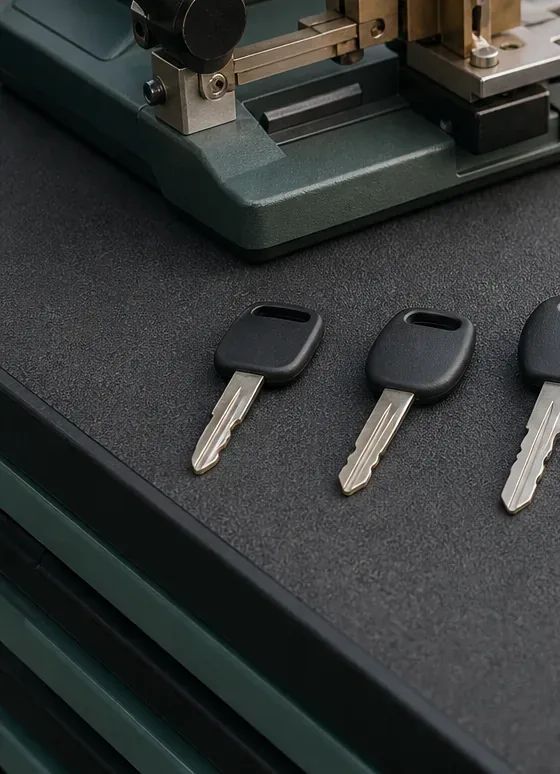
Dealer service is not a failure of the locksmith process. It can be the correct route when the vehicle security system or manufacturer procedure cannot be completed with the equipment available for a mobile visit. Confirm that path before paying for a part that cannot be used.
Bring every key or fob you have, even if it is damaged, along with the vehicle details and proof of ownership or authorization. Tell the caller whether the vehicle is accessible, whether it starts, and whether all keys are lost. Those facts help separate programming, duplication, replacement, lockout, and ignition needs.
Have the year, make, model, key type, working-key status, exact location, and ownership or authorization documents ready when calling. Hi-Q serves the Fort Worth area by mobile automotive service, and you can call to confirm current availability for the specific vehicle before work is arranged.
Key Fob Programming FAQs
Does Hi-Q program key fobs?
Yes. Hi-Q offers key-fob programming for supported vehicles, but the result depends on the year, make, model, key type, and whether a working key exists.
Can every vehicle be programmed?
No. Support depends on the vehicle, key type, manufacturer, available equipment, and whether all keys are lost. Some vehicles require a dealer or manufacturer-specific service.
What if all keys are lost?
Tell Hi-Q at the first call. All-keys-lost work is usually different from programming a fob with a working key and may require additional proof, equipment, or a dealer.
Is a fob shell replacement the same thing?
No. A shell is only the outer case and may not include working electronics, a compatible blade, or vehicle programming. It can help when the original electronics still work and the shell is the damaged part.
What should I have ready before calling?
Have the vehicle year, make, model, key type, working-key status, exact location, and proof of ownership or authorization ready. Bring every key or fob you have and call to confirm current availability for the specific vehicle.