
Quick answer
- Rekeying changes key control without automatically replacing usable lock hardware.
- It is commonly considered after a move, lost key, tenant change, or other access change.
- The lock must be compatible and in serviceable condition for rekeying to make sense.
- Hi-Q confirms residential rekeying and explains the scope before work starts.
What does lock rekeying change?
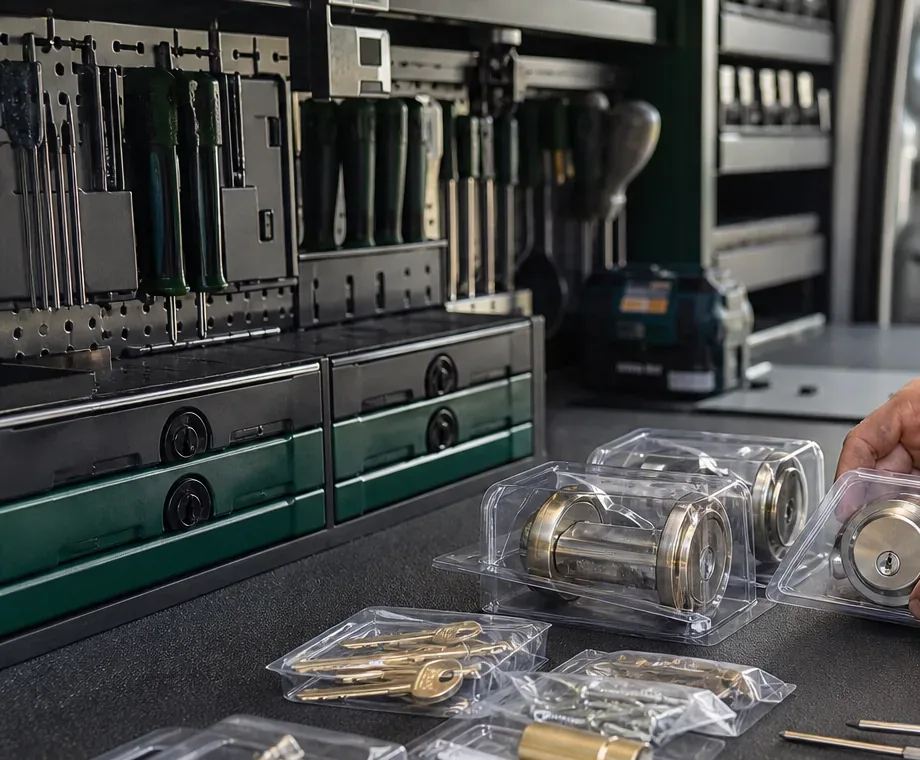
Rekeying changes the internal key pattern of a compatible lock cylinder so the old key no longer works and a new key does. It is different from replacing the lockset: the hardware stays in place when it is sound, while the key control changes. That distinction matters for homeowners, tenants with authorization, landlords, and property managers who need to reset access without discarding good hardware.
The first question is not whether new locks look nicer. It is whether the lock turns smoothly, the door latches correctly, and the cylinder can be rekeyed safely. If the hardware is worn, damaged, incompatible, or part of a bigger door-alignment issue, a repair or replacement conversation may be more honest than promising a rekey that will not solve the actual problem.
The range can change with compatible cylinder count, hardware condition, and any parts needed after inspection.
When is rekeying a good fit?
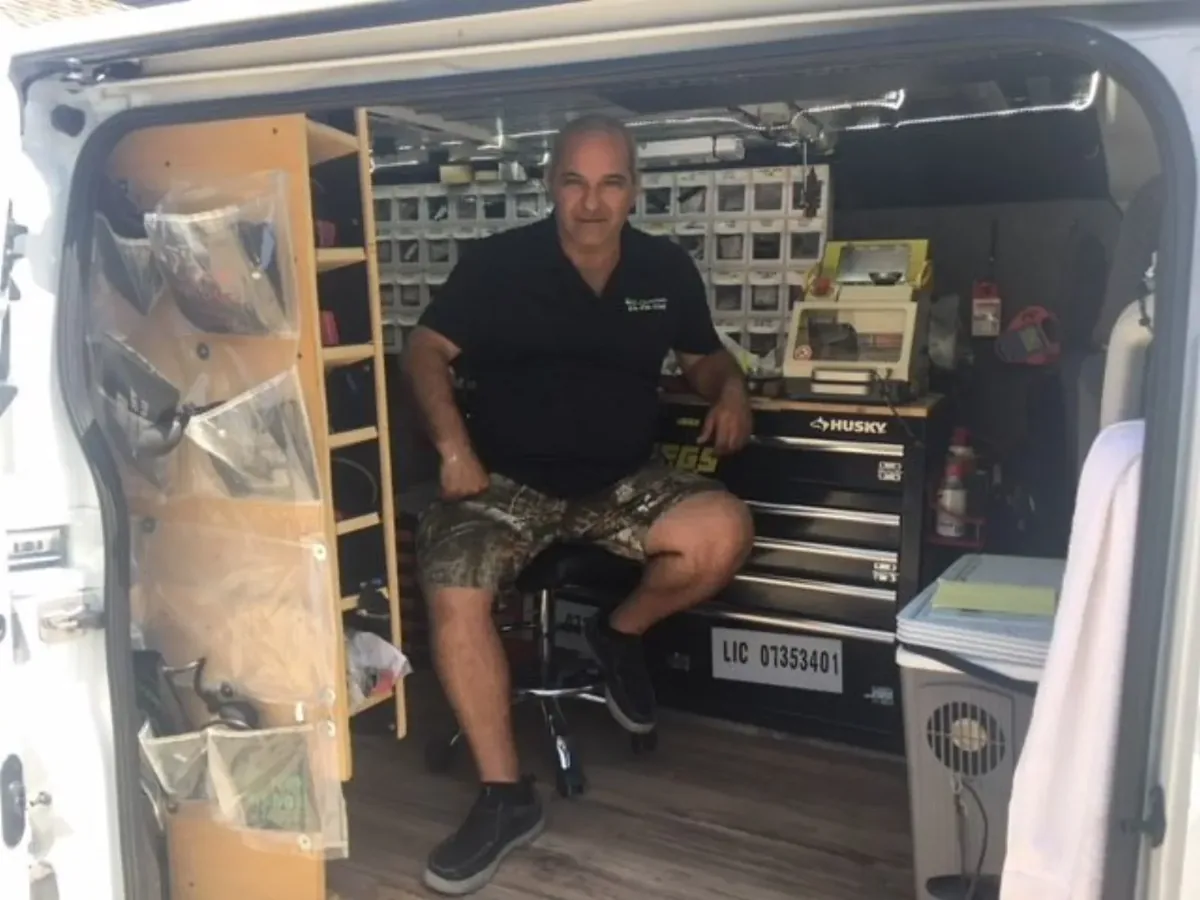
A move is the classic moment to consider rekeying because you may not know how many old keys are still in circulation. A lost key, a roommate or staff change, or a landlord turnover can raise the same key-control question. In each case, the decision is about who should have access now, not about assuming the existing deadbolt or knob must be thrown away.
A single visit may also reveal that multiple compatible cylinders can be brought to one working key. That can be convenient, but it should be discussed around the actual hardware and the property’s access needs. The technician needs to see what is installed before confirming whether a particular set of locks can be matched.
- The lock works smoothly and the door latches correctly.
- Old keys should stop working after a move or access change.
- The cylinder is compatible and still has useful life.
- You can authorize the change to the property’s locks.
What should you ask before approving a rekey?
Ask what cylinders are included, whether the locks are compatible, how many new keys are part of the scope, and what would make a repair or replacement necessary. A clear answer separates the rekey labor from any hardware issue discovered during inspection. That gives you a usable comparison instead of a vague low starting number.
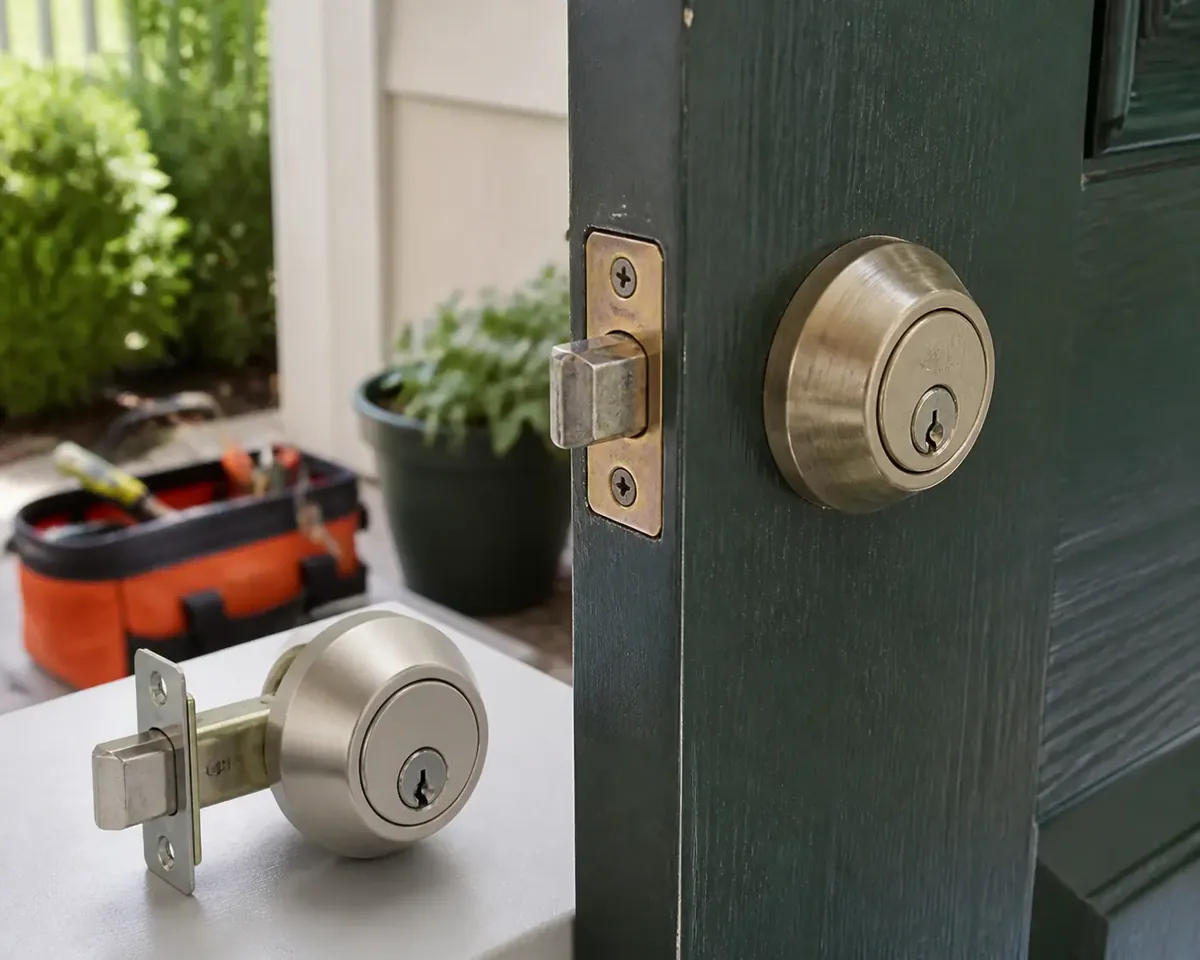
For a rental or managed property, be clear about who is approving the work and which doors are included. For a home purchase, identify the doors you actually use and any exterior gate or garage-access hardware that may need separate attention. Scope is not paperwork for its own sake; it prevents key control from becoming confusing after the visit.
Hi-Q does not use rekeying as a catchall claim for every security upgrade. The confirmed residential scope is home lockouts, lock rekeying, and lock repair or maintenance. Keeping that boundary visible helps callers get a straightforward answer about the service they actually need.
Lock Rekeying FAQs
Is rekeying cheaper than replacing locks?
It can be when the existing compatible hardware is still in good condition. The technician needs to inspect the cylinders and door condition before confirming the right path.
Should I rekey after buying a house?
It is a practical way to reset key control when you do not know who still has an old key and the existing locks are serviceable.
Can every lock be rekeyed?
No. Compatibility and condition matter. Some locks need repair or replacement instead of rekeying.