
Quick answer
- A door problem is not always a cylinder problem; latch, strike, hinges, and frame alignment matter too.
- Repair is a sensible option when compatible hardware still has useful life.
- Forcing a key or repeatedly slamming a misaligned door can make the issue worse.
- Hi-Q confirms residential lock repair and maintenance, with the needed scope explained after inspection.
What can home lock repair address?
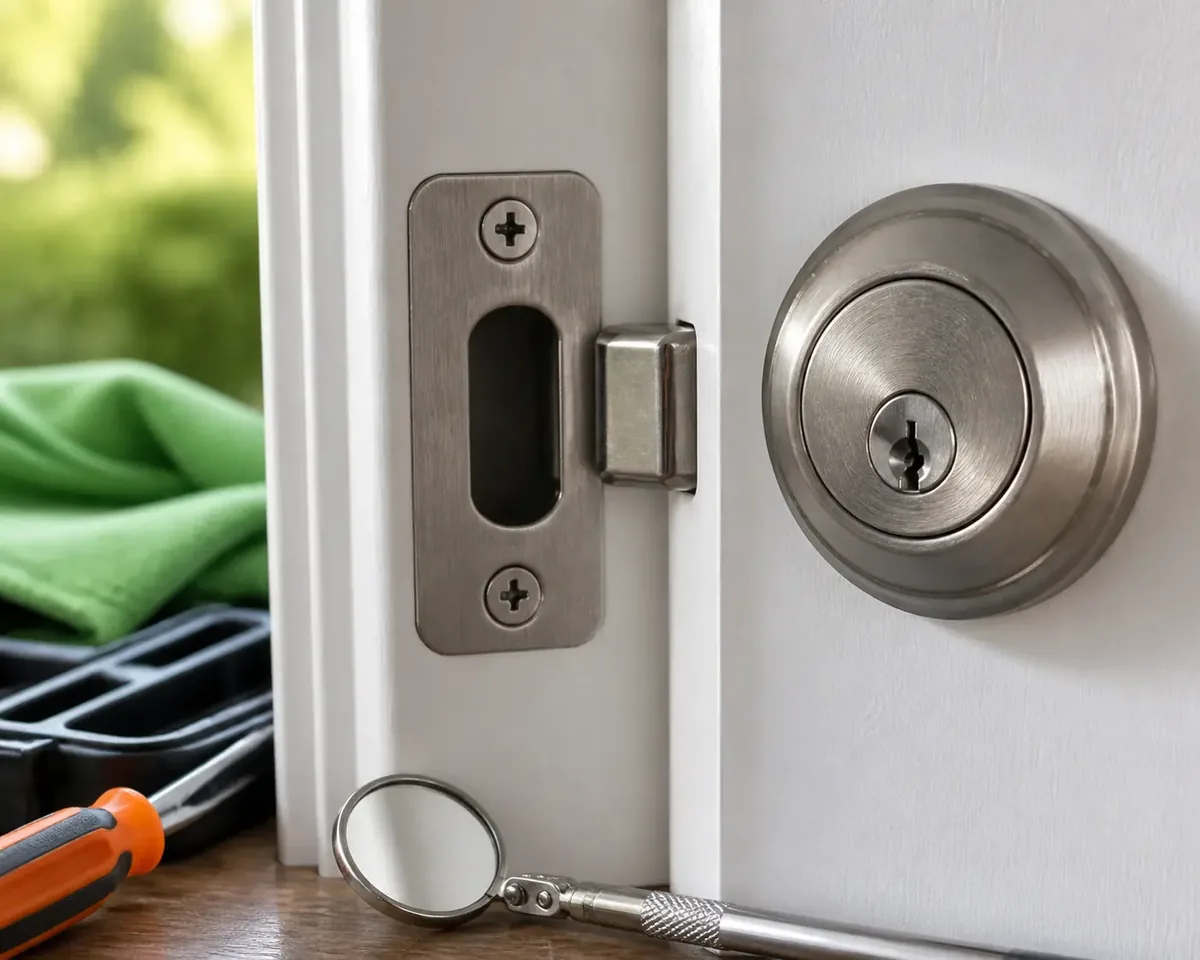
Home lock repair addresses mechanical trouble that makes the door hard to use or less reliable: a key that sticks, a deadbolt that will not throw cleanly, a loose cylinder, a latch that misses the strike, or hardware that feels worn. The useful assessment looks beyond one part. A lock interacts with the door, strike, hinges, frame, and sometimes the closer or weather conditions around the opening.
That broader view keeps a repair honest. Replacing a cylinder cannot correct a door that has shifted out of alignment, and lubricating a keyway does not restore worn internal parts. The right repair depends on what is actually preventing the door from operating properly, not simply which piece is easiest to point at.
When is maintenance worth doing?
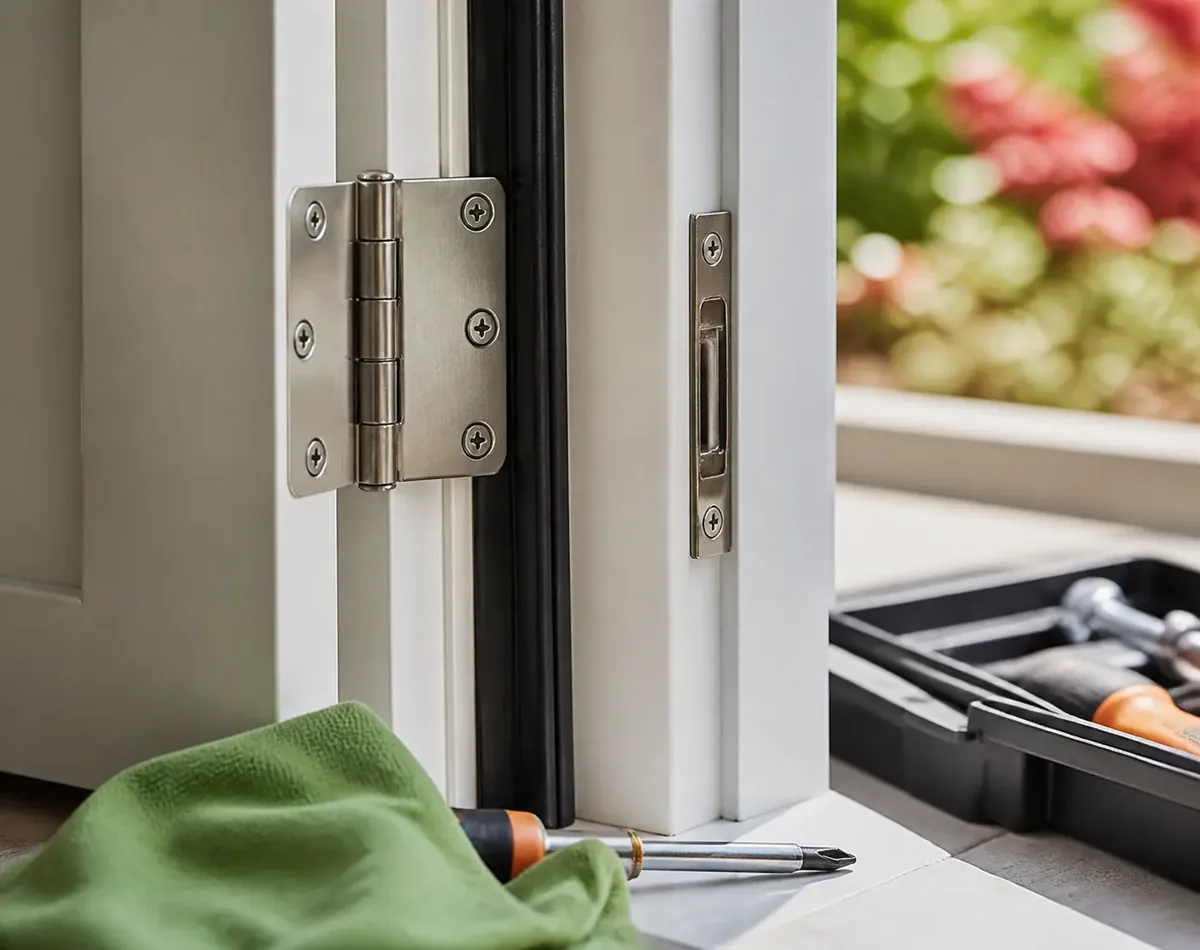
Maintenance is most useful before a door becomes unusable. A lock that needs repeated force, a deadbolt that only works when the door is lifted, or a latch that catches inconsistently should be inspected while access is still easy. Waiting can turn a manageable adjustment into a lockout, damaged key, or avoidable hardware replacement.
Do not force a key that will not turn or keep applying pressure to a deadbolt that is binding. That can bend a key, damage the cylinder, or hide the fact that the strike and door alignment are the real issue. Describe the symptom exactly when you call: where the key sticks, whether the door has to be pushed or lifted, and whether the problem happens with every key.
- Key turns roughly or only with force.
- Deadbolt binds unless the door is moved.
- Latch fails to catch or release consistently.
- Cylinder, knob, or trim is visibly loose.
How do repair and replacement differ?
Repair preserves serviceable hardware by addressing the failed or misaligned part. Replacement is appropriate when the lock is damaged beyond a reliable repair, no longer compatible with the needed setup, or otherwise at the end of its useful life. Neither answer should be assumed over the phone without seeing the door and its hardware together.
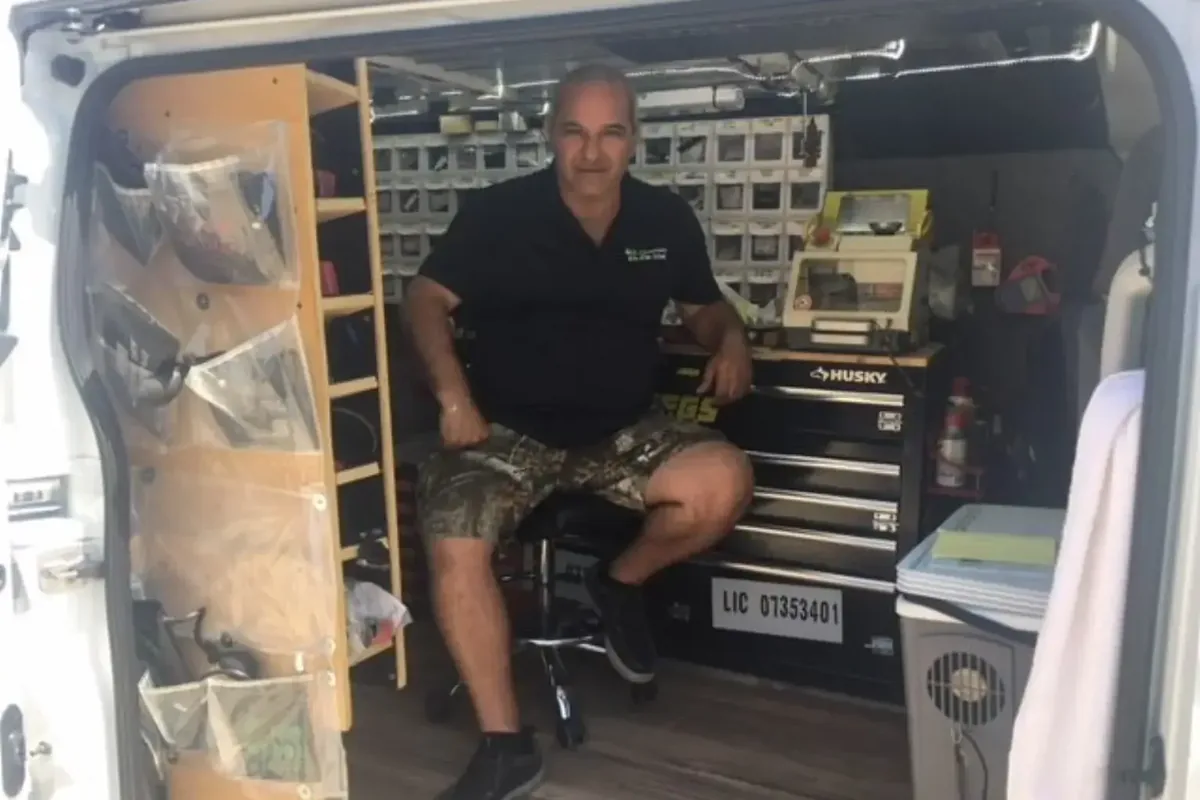
If access also needs to change after a move or lost key, rekeying may be part of the discussion. That is still different from repair: rekeying changes the working key, while repair corrects a mechanical issue. Separating those two jobs makes the options easier to understand and the quote easier to evaluate.
Hi-Q’s residential scope stays focused on home lockouts, rekeying, and lock repair or maintenance. It does not add unsupported smart-lock or broad security-system claims just to make the service menu sound larger.
Lock Repair and Maintenance FAQs
Why does my deadbolt only work when I lift the door?
That often points to alignment between the door, latch, and strike. A technician should inspect the whole opening before assuming the cylinder needs replacement.
Can a loose lock cylinder be repaired?
Often it can, depending on the hardware and cause. Inspection determines whether tightening, repair, or replacement is appropriate.
Is rekeying the same as lock repair?
No. Rekeying changes which key works; repair addresses a mechanical or alignment problem.