
Quick answer
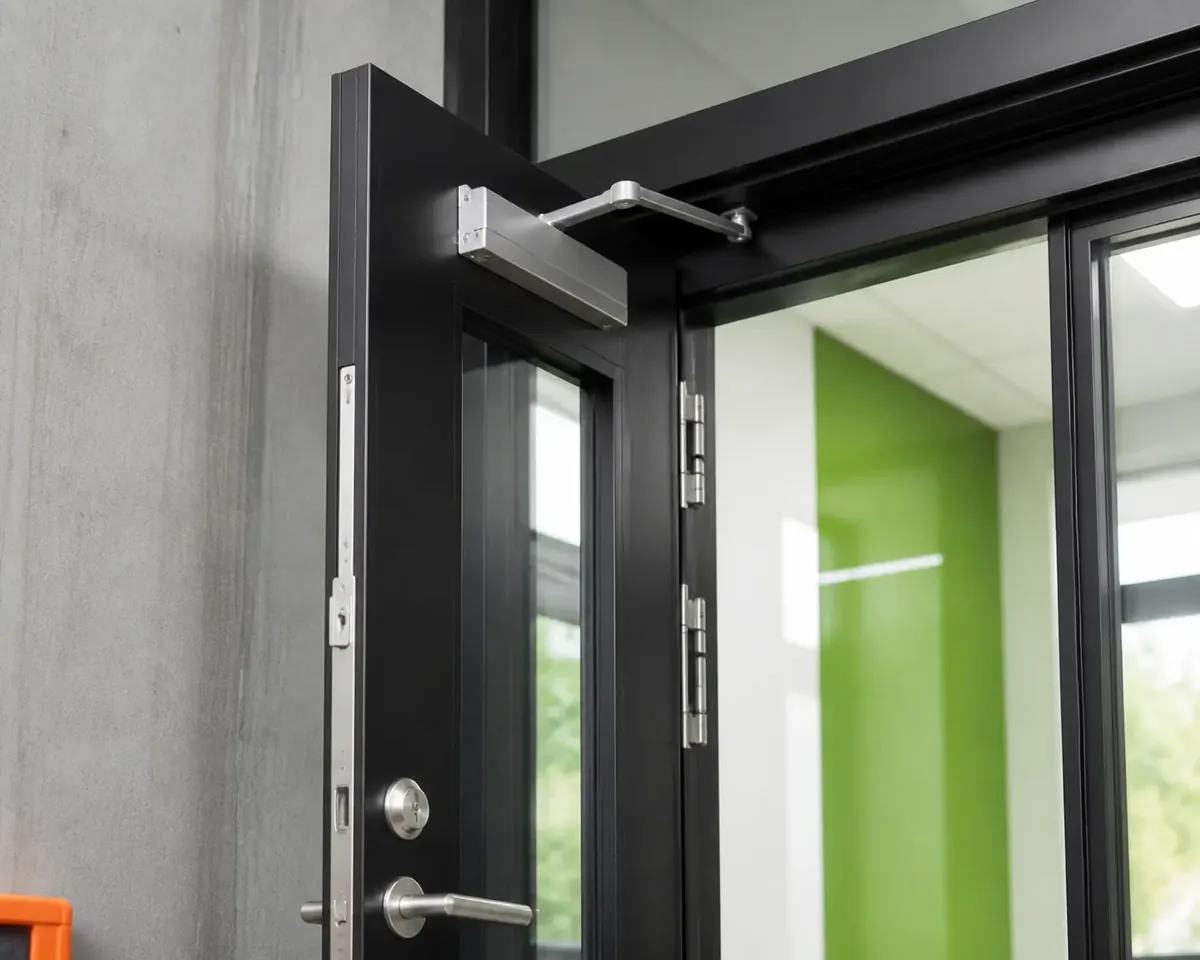
- Commercial service should treat the door, frame, closer, strike, and lock as one system.
- Authorization matters before any change is made to business hardware.
- Rekeying, repair, installation, and emergency work are the confirmed commercial services here.
- The honest route is to explain the hardware and scope before work starts.
What commercial locksmith work is confirmed here?
Commercial locksmith work in Fort Worth is not just a stronger version of home service. A business door may include a lock, strike, closer, hinges, frame, and exit hardware that all have to work together. If one part is off, the opening can stop latching, stop closing, or stop giving the security level the business expects. The confirmed commercial services on this site are rekeying, lock repair, lock installation, and emergency service.
That means helping a business owner or property manager choose the right next step, without pretending to offer a broader menu than the business has actually confirmed.
Commercial work often costs more than a simple residential visit because access, hardware, and timing can all be more complex.
When does a business need rekeying?
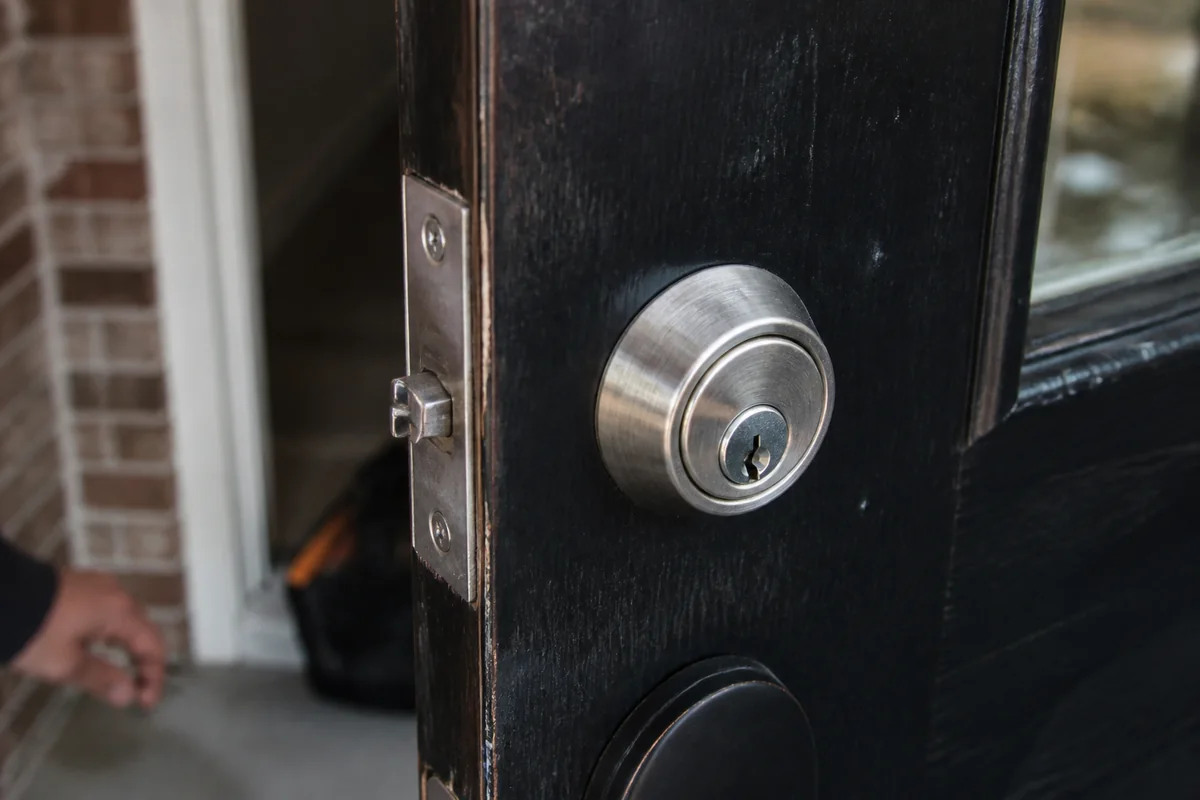
Rekeying is the right move when the hardware still works but the keys should change. That happens after a tenant move-out, staff turnover, an access change, or any situation where the old key set should no longer open the door. The goal is to keep usable hardware in service while changing the working key.
- Tenant or staff keys need to be reset.
- The current lock still operates smoothly.
- You want to keep compatible cylinders on one key.
- The business needs key control without replacing every lock.
If the door already has wear, alignment problems, or broken hardware, rekeying alone may not solve the problem. In that case the better answer could be repair or installation after inspection.
How do repair and installation differ?
Repair is for hardware that should still be salvageable. Installation is for hardware that needs to be replaced or added because the current parts are not reliable or not appropriate for the opening. A good technician should inspect the opening as a whole before deciding which path is justified.
On commercial doors, that full inspection matters because a bad closer or misaligned strike can make a brand-new lock seem broken. Fixing only the lock while ignoring the rest of the opening often creates a second service call later.
What should managers prepare before calling?
- 1Identify the approver
Know who can authorize the work before the technician arrives.
- 2Describe the opening
Share whether it is a storefront, office entry, suite door, or another business opening.
- 3State the symptom
Explain whether the problem is access control, a failure to latch, loose hardware, or a lockout.
- 4Ask for scope and pricing
Request the exact work covered by the quote so the job does not drift after arrival.
That preparation makes the visit more efficient and keeps the pricing conversation grounded in the actual opening instead of a generic business-lock assumption.
Commercial Locksmith FAQs
Does commercial service require authorization?
Yes. The person requesting the work should be able to authorize access or changes to the business hardware.
Can a commercial lock be repaired instead of replaced?
Often yes, if the hardware is still serviceable. Repair is appropriate when the issue is mechanical and the lock still has useful life.
Why are commercial jobs usually more involved?
Because the opening may involve the lock, frame, closer, strike, and exit hardware together, and the timing or access can be more complicated.
What is included in commercial emergency service?
The confirmed emergency work is the same commercial hardware scope, but the visit is handled with urgency when access or security cannot wait.