
Quick answer
- How much should a locksmith cost per hour? In many markets, labor often lands around $75 to $150 per hour, but the better question is whether the provider prices the work by hour, by job, or by service call plus labor.
- What is the average call out fee for a locksmith? A common range is about $35 to $95, although some providers credit it toward the final bill and others treat it as a separate dispatch charge.
- How much does a locksmith charge in Texas? There is no statewide flat number; a locksmith in Fort Worth TX prices by city, travel, urgency, hardware, and licensing-compliant operating costs.
- Ask for the dispatch fee, labor range, and any parts separately so the quote can be compared fairly.
How much should a locksmith cost per hour?
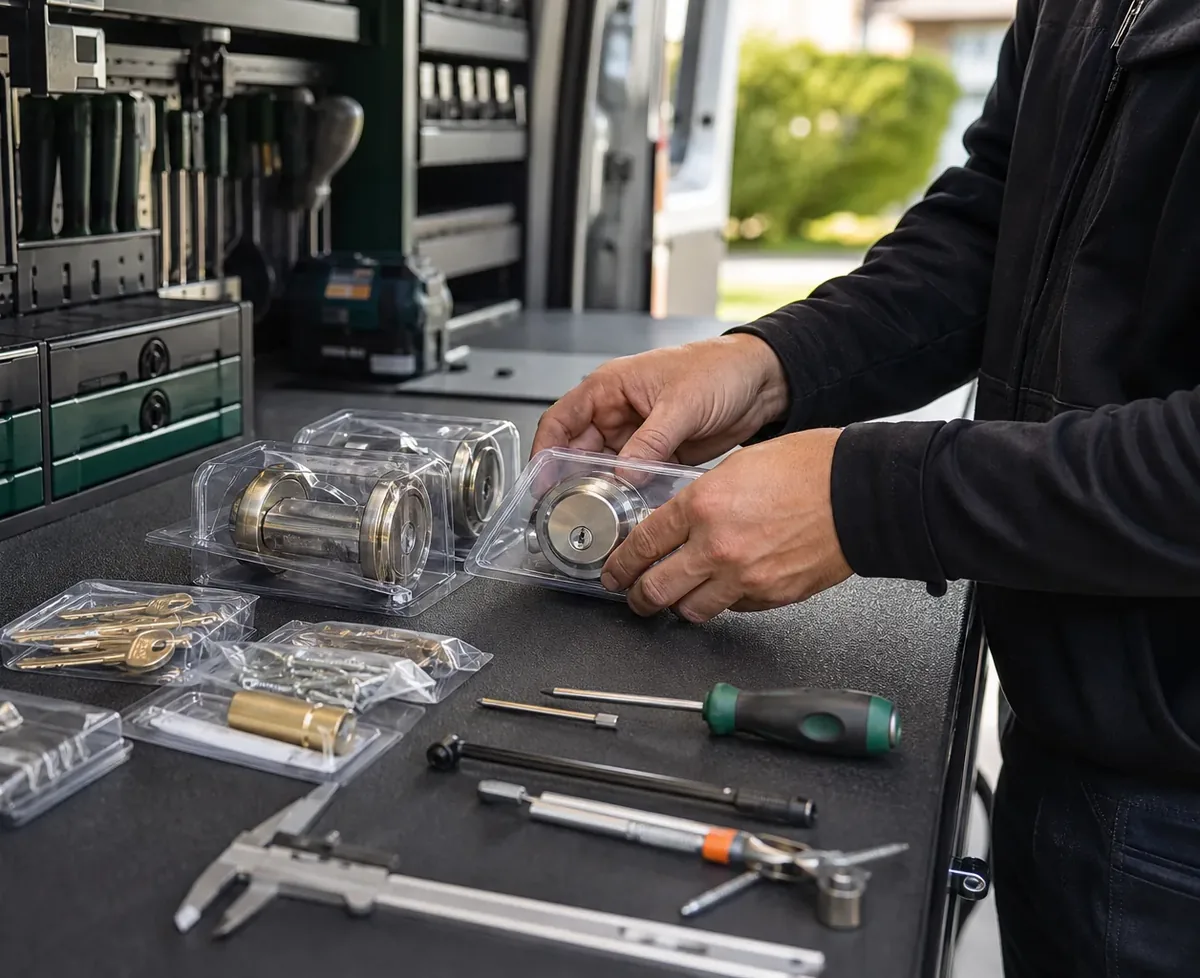
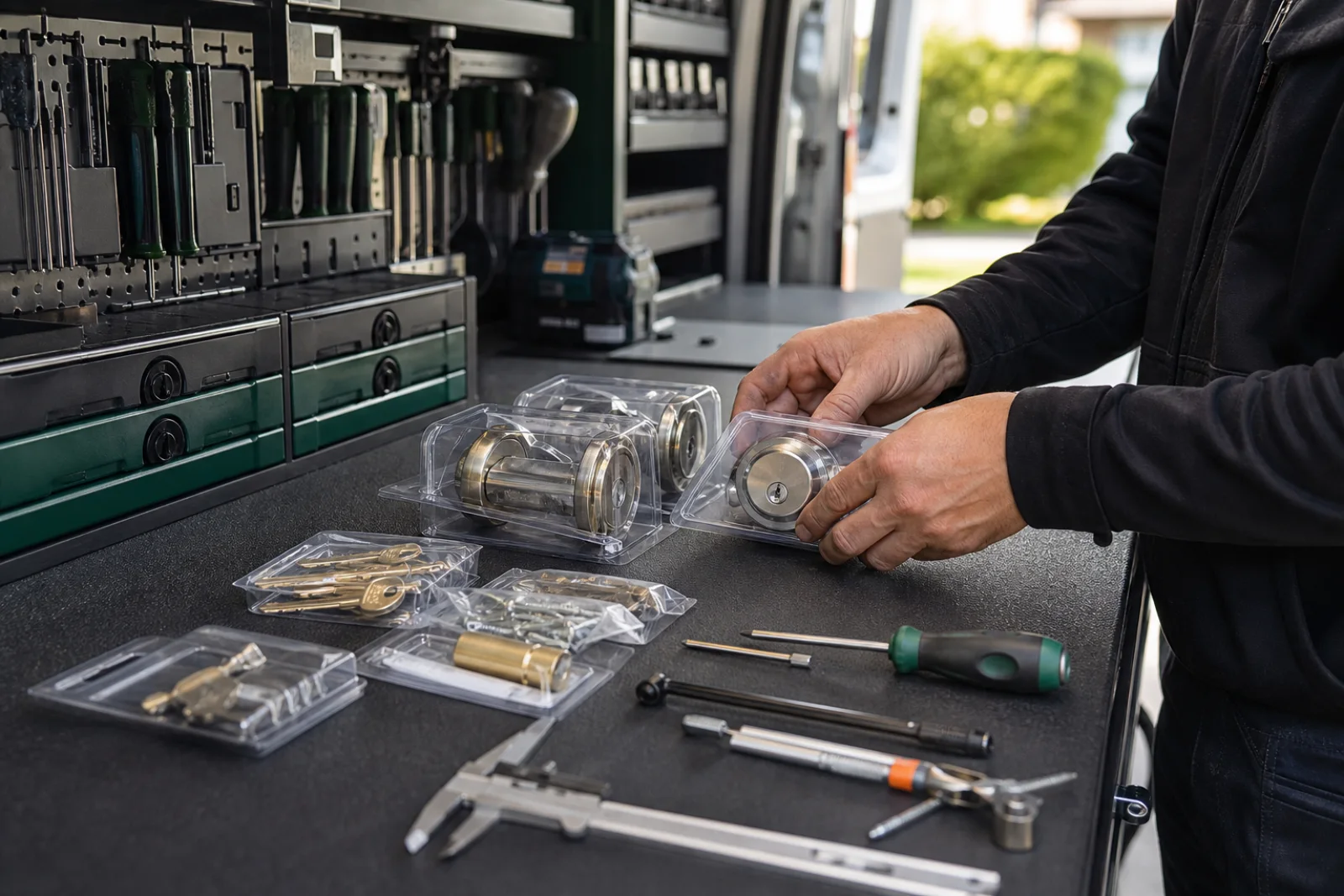
For many consumers, the phrase 'per hour' is the wrong starting point because a lot of locksmith work is quoted as a service plus labor or as a total job price. Still, when labor is priced separately, a common market range is about $75 to $150 per hour, with emergency or specialized work landing higher. The key is to ask whether the timer starts when the technician arrives, when the work starts, or when the truck leaves.
Many markets quote labor around $75-$150 per hour, with emergency or specialized work higher.
If the provider will not explain what the hourly figure covers, the number is not useful. One hour of a clean residential rekey is not the same as an hour spent on a commercial door closer, a broken ignition key, or a lock after attempted forced entry.
What is the average call out fee for a locksmith?
A call-out fee usually covers the trip and the dispatch decision. In many markets it runs about $35 to $95, but it may be credited toward the job or charged separately if you decline the work. That distinction matters more than the size of the fee itself.
Many locksmiths charge a dispatch or service-call fee in this band, sometimes credited toward labor.
The FTC and BBB both advise customers to confirm the total before agreeing to the job. That means calling out the fee, the labor basis, and any parts before a technician leaves the shop.
What usually changes the final locksmith bill?
The final bill changes when the scope changes. Travel distance, after-hours timing, lock type, cylinder count, lost keys, damage, and hardware replacement all matter. A simple rekey can be quick; a damaged commercial lock or an automotive ignition issue can take more time and parts.
- Travel and dispatch time.
- Residential, commercial, or automotive work.
- Number of locks or cylinders.
- Whether the hardware can be repaired or must be replaced.
- Any proof-of-authorization delay.
How much does a locksmith charge in Texas?
Texas does not have one statewide flat price for locksmith work. Fort Worth, White Settlement, and nearby cities can differ based on travel and competition, while rural travel or late-evening calls can change the number again. The useful Texas answer is not a fake average; it is a live range tied to the actual job and the actual city, especially when a locksmith in Fort Worth TX is the one dispatched.
Texas also requires locksmith work to sit inside the private-security licensing framework administered by the Texas Department of Public Safety. Hi-Q publishes license B07353401, and customers can verify licensing through the DPS private-security resources before authorizing work.
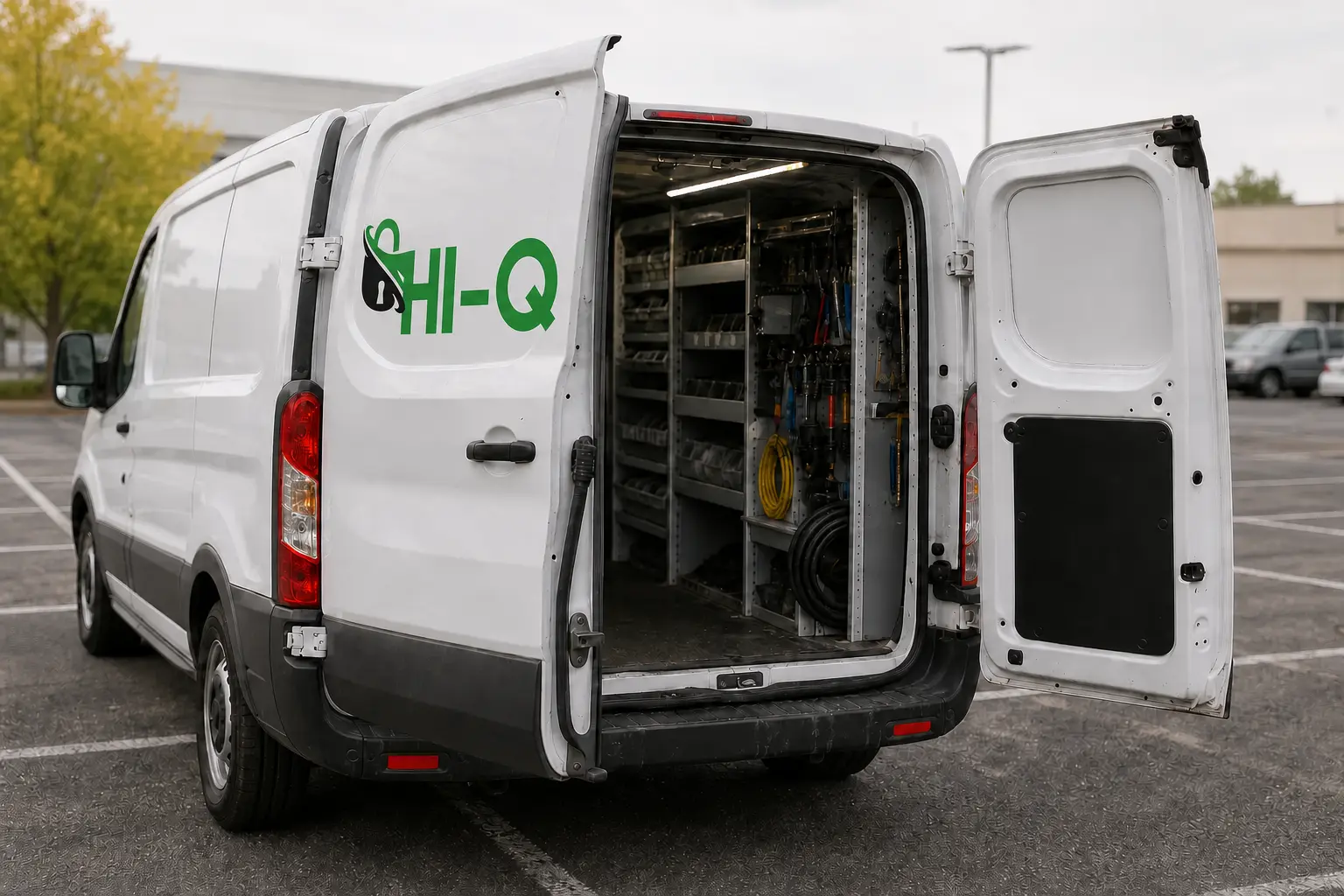
In practice, statewide pricing questions usually come down to whether the provider is mobile, how far the truck has to travel, whether the call is urgent, and whether the job is residential, commercial, or automotive. That is why a real quote in Texas should always be tied to the actual city and job type instead of a generic headline, and a locksmith in Fort Worth TX should say so plainly.
For example, a late-weekend apartment lockout in Fort Worth can cost differently from a weekday rekey in White Settlement or a broken ignition key in a parking lot. The licensing framework is statewide, but the work conditions are local, which is why the exact address matters to the estimate.
Do residential, commercial, and automotive jobs cost the same?
No, and treating them as one price category is a common source of confused comparisons. Residential work is usually the most standardized - common cylinders, common deadbolts, and a well-documented range of hardware. Commercial work often costs more because it can involve master-key systems, exit devices, closers, and code-relevant hardware that a residential lock never touches. Automotive work is its own category again, priced by key type and vehicle electronics rather than by the hour.
- Residential: usually the most standardized pricing, driven by cylinder count and hardware condition.
- Commercial: can add master-keying, code-compliance hardware, and building-access coordination.
- Automotive: priced by key type (cut, transponder, remote, fob) rather than a simple hourly rate.
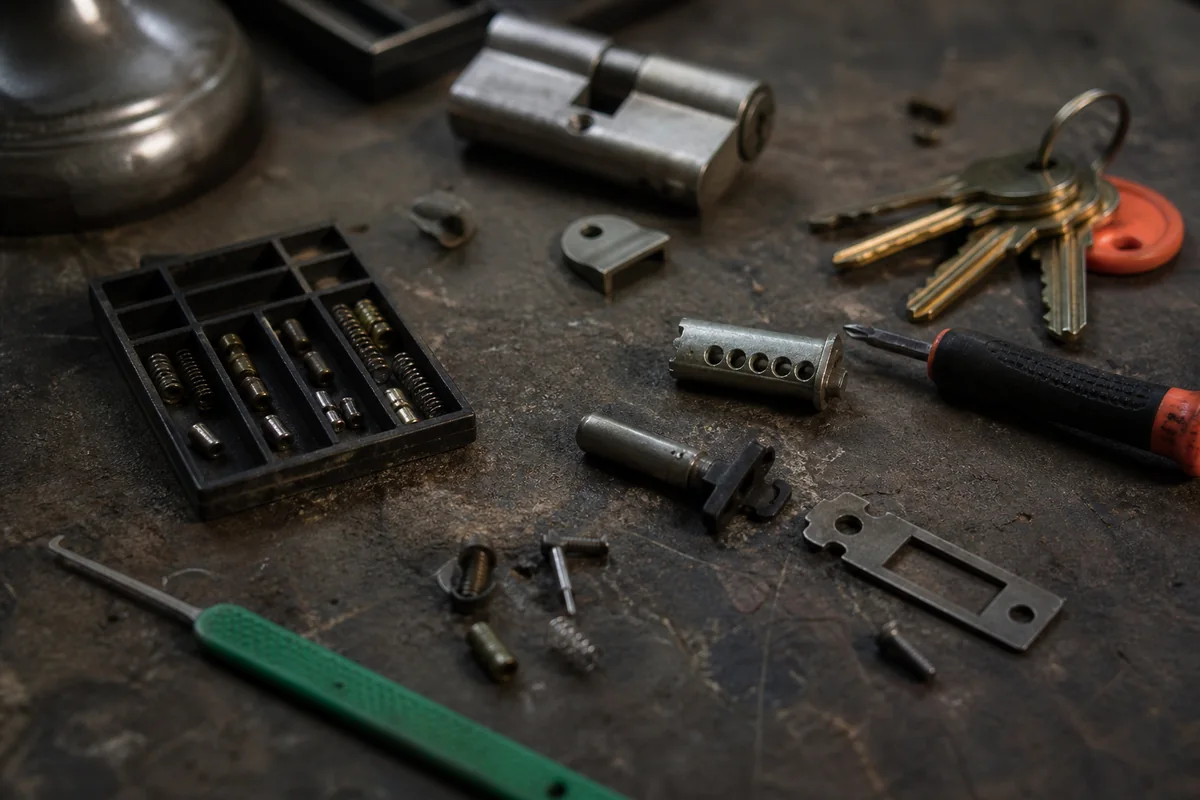
Asking which category a job falls into is often more useful than asking for a single average price, because the honest answer always depends on which of the three you actually need.
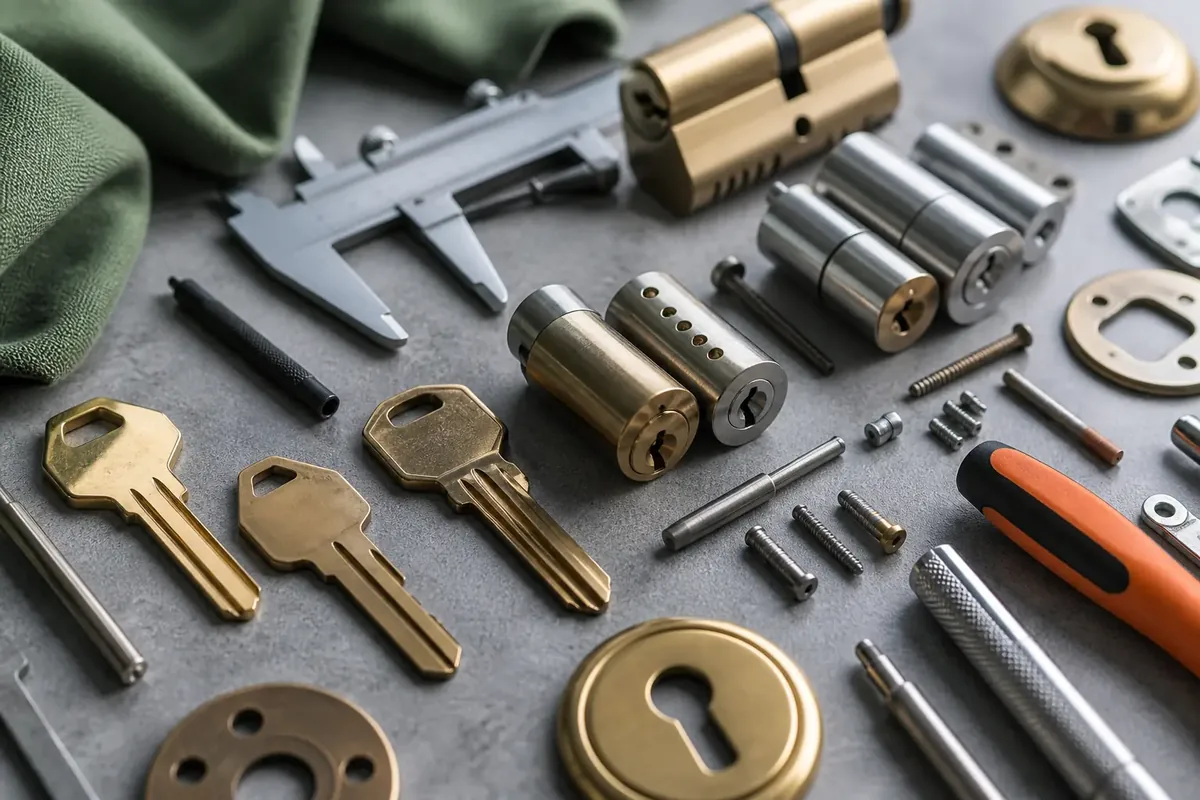
General Locksmith Cost FAQs
How much should a locksmith cost per hour?
Many markets quote about $75 to $150 per hour for labor, but many locksmiths price by the job or by service call plus labor. Ask which model applies before you book.
Why do locksmiths charge so much money?
The price reflects licensing, insurance, tools, vehicle and travel costs, on-call availability, and the risk of working on someone's security. A fair provider should be able to explain what the fee covers, not just quote a number.
How do locksmiths calculate labor costs?
Most combine a base dispatch or service-call charge with labor tied to the actual job - time, complexity, and any parts needed - rather than a pure hourly meter. Ask upfront whether your quote is job-based or time-based.
What is the average call out fee for a locksmith?
A common call-out fee is about $35 to $95. Confirm whether it is credited toward the completed work or charged separately if you decline service.
How much does a locksmith charge in Texas?
There is no one statewide figure. Texas pricing depends on the city, travel, urgency, hardware, and the exact job, so you should request a live quote for the real scope.
Why does a Texas locksmith quote need a phone call first?
Because the scope usually determines the price. The technician needs to know whether it is a lockout, a rekey, a repair, or a replacement job before giving a reliable range.
Is the service call always separate from labor?
Not always. Some providers fold the trip into labor or credit the call-out fee toward the final bill, while others keep it separate. Ask which model applies before you book.