
Quick answer
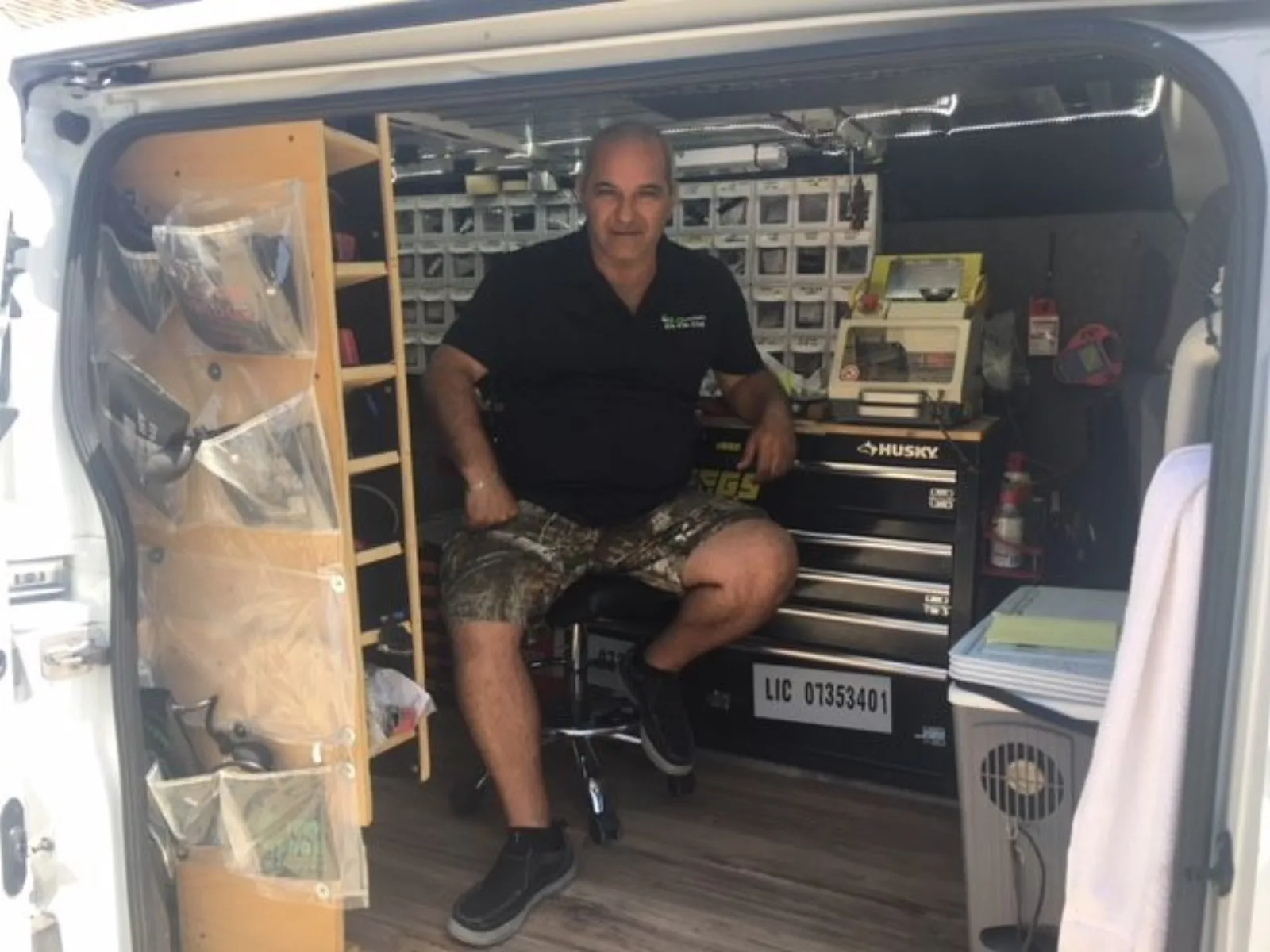
- Rekeying usually costs about $15 to $50 per cylinder, and many providers also charge a minimum service call around $40 to $90.
- Rekeying changes which key works the existing lock; replacement is for worn, damaged, or incompatible hardware.
- A landlord, tenant, or new homeowner usually rekeys to restore key control without buying a whole new lock set.
- Ask for the cylinder count and key count in advance so the quote does not hide the real total.
How much does it cost to rekey locks?
Rekeying in Fort Worth is usually cheaper than replacing the whole lock because the locksmith keeps the usable hardware and changes the pins or tumblers inside the cylinder. A practical market range is about $15 to $50 per cylinder, plus a minimum service call that often lands around $40 to $90. Multi-lock jobs can be efficient, but a single-cylinder visit may still carry the full trip minimum.
Per cylinder rekeying often runs about $15-$50, plus a service call around $40-$90.
If the door has several matching cylinders, ask whether they can all be keyed alike. That can reduce the number of keys you need to carry and keep the rekey job simpler to manage over time.
When does rekeying make more sense than replacing?
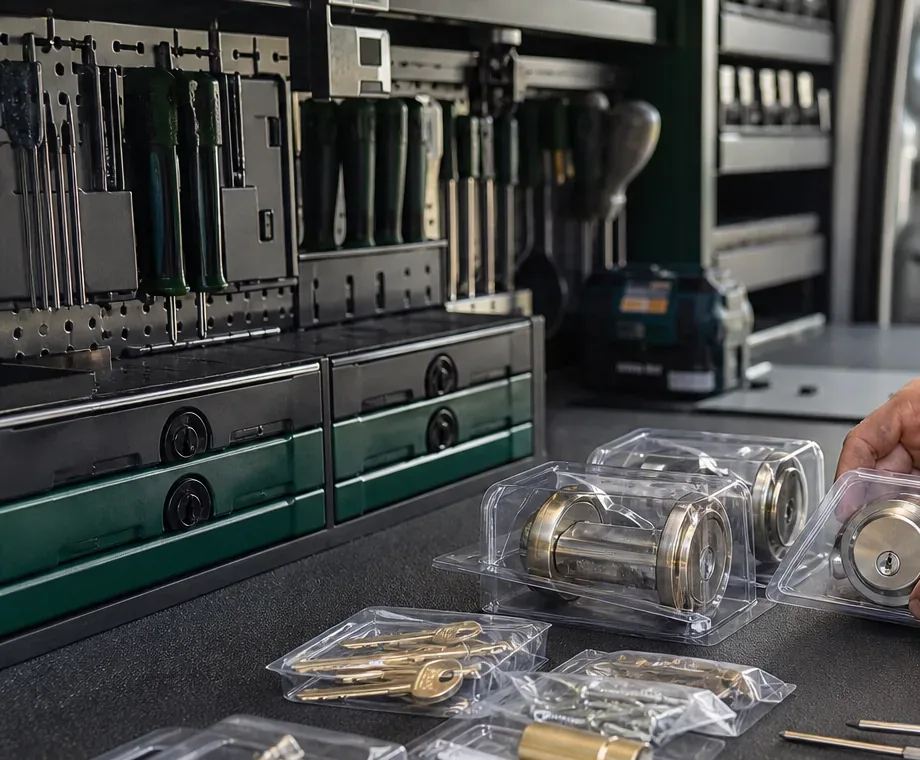
Rekeying makes sense when the hardware still works well but you no longer trust the old keys. That is common after a move, after a lost key, after a tenant changes, or after an employee leaves. The point is to regain control without paying for a brand-new lock when the existing one is still mechanically sound.
Replacement makes more sense when the lock is worn out, physically damaged, poorly aligned, corroded, or missing features you need now. A landlord may rekey the good locks on a property and replace only the broken or low-quality cylinders instead of doing all new hardware at once.
What affects the price of lock rekeying?
The main variables are the number of cylinders, the brand and keyway, the number of keys requested, and whether all the cylinders can share one keying plan. Commercial master-key systems usually take more planning than a simple house rekey. Travel and after-hours timing can also move the number.
- Cylinder count and whether all cylinders are compatible.
- Whether the property needs one key or multiple keyed groups.
- Door condition and whether any lock is damaged.
- Travel distance and service-call minimums.
- Landlord, tenant, or move-in use case.
A landlord often rekeys after turnover to make sure old copies no longer work, while a tenant moving into a new place may ask for rekeying to restore peace of mind without replacing good hardware. Both cases are about key control, not just metal parts.
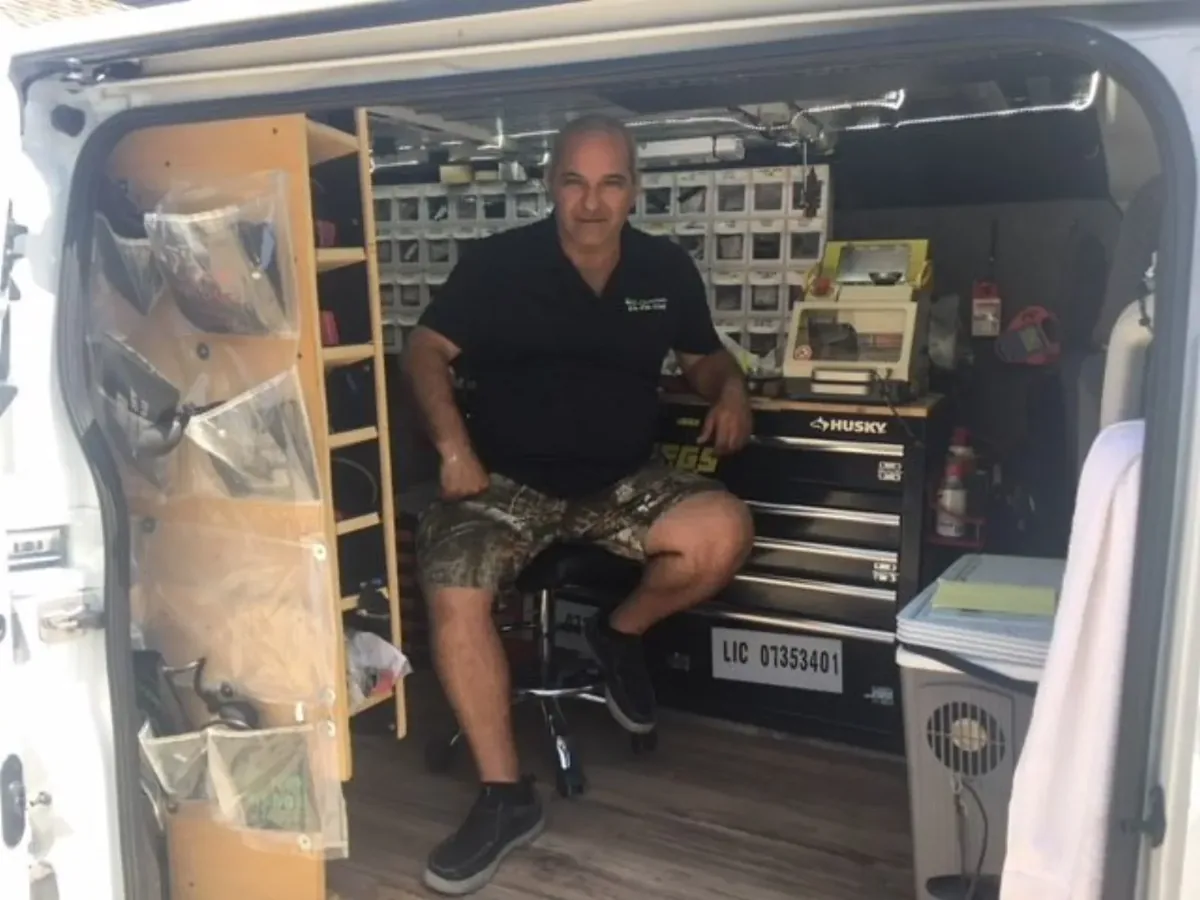
Per-cylinder pricing is the cleanest way to think about the job. One front door cylinder may be cheap on paper but still carry a trip minimum. Several doors on the same visit can spread the service call across more work, which is why the number of cylinders matters as much as the per-cylinder rate.
If the property has matching deadbolts and knobs, the technician may be able to key them alike, which can reduce the number of different keys you need to manage. If the hardware is mixed-brand or worn, the safest answer may be rekeying what fits and replacing the problem locks only where necessary.
Rekey or replace: how do you decide?
| Situation | Usually rekey | Usually replace |
|---|---|---|
| Lost or unreturned key, hardware still works | Yes - restores key control quickly | Only if hardware is also worn |
| Moving into an existing home | Yes, for compatible cylinders | If the lock is outdated or damaged |
| Tenant or employee turnover | Yes, on a documented schedule | If the property is upgrading to a keying system |
| Damaged, corroded, or misaligned lock | No - rekeying will not fix hardware failure | Yes |
| Wanting a smart lock or new keying platform | No - different hardware entirely | Yes |
This table is a starting point, not a substitute for inspection. A technician should still confirm cylinder compatibility and hardware condition before finalizing whether a rekey or a replacement is the right call for each door.
Lock Rekey Cost FAQs
Is rekeying cheaper than replacing locks?
Usually yes, because the locksmith keeps usable hardware and changes the internal keying. However, damaged or incompatible locks can erase that savings if replacement is required.
Should I rekey after moving into a house?
Yes, rekeying is a common way to restore key control after a move. It is especially useful when you do not know how many copies of the old keys exist.
Can every lock use the same key?
Only compatible cylinders can be keyed alike. The technician has to inspect the hardware before promising a one-key plan.
Should I replace locks instead of rekeying?
Replace the lock when the hardware is worn, damaged, or incompatible with the key plan you want. Rekeying is best when the hardware still works and you mainly need to change who has access.
How many cylinders should I expect on a typical house rekey?
Often there are two or three exterior cylinders, but the actual count depends on the door set, garage entry, patio door, and any side or back access points. Count them before asking for a quote.