
Quick answer
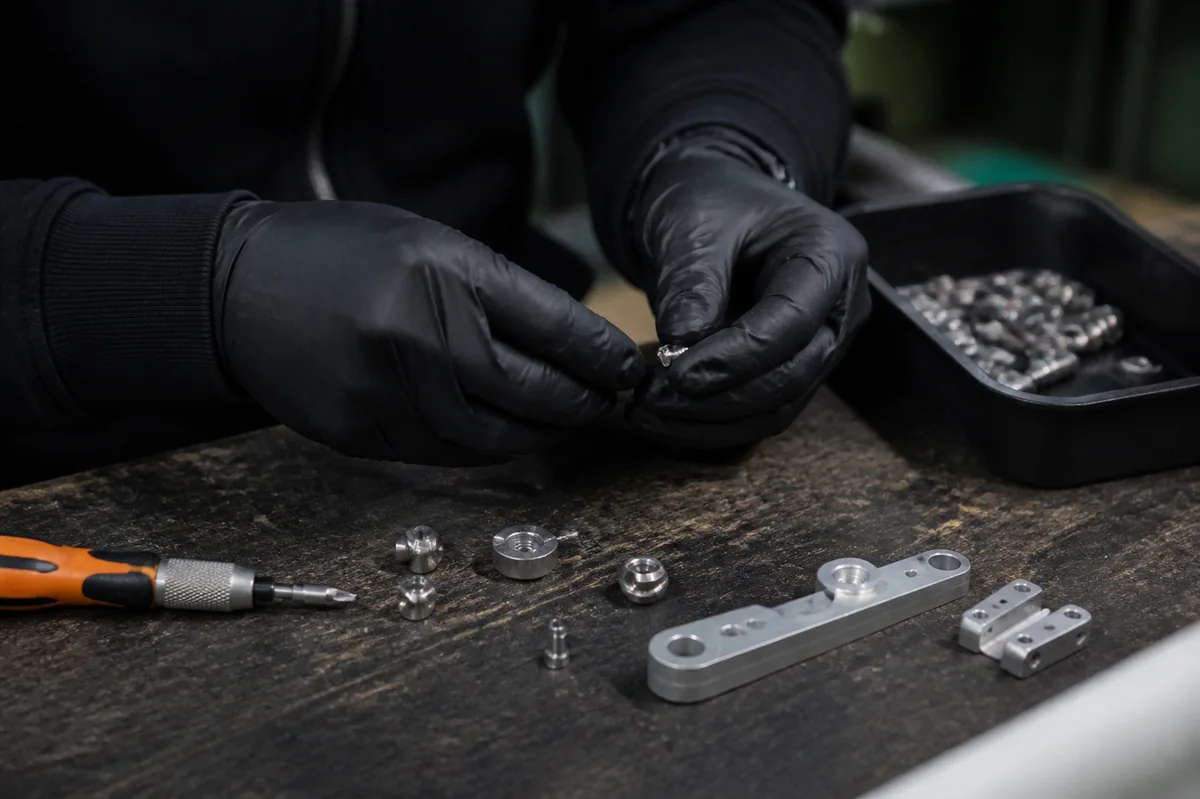
- Commercial rekeying is about key control after a tenant, staff, or access change.
- The requester needs authority to approve changes to business hardware.
- Sound compatible hardware may be rekeyed instead of replaced.
- Hi-Q confirms commercial rekeying and explains the scope around the actual opening.
When should a business consider rekeying?
A business commonly considers rekeying after staff turnover, a tenant move-out, a lost key, or an access-policy change. The purpose is to restore control over working keys while keeping compatible locks in service. It is not simply a cheaper replacement. The door and cylinders still need to be reliable enough for the new keying arrangement to be useful.
Commercial work starts with authorization. A business owner, property manager, or other responsible party should be able to explain who approves the change and what doors are included. That protects the property and keeps the work focused on the actual access decision rather than an assumption made by someone standing at the door.
What does the technician need to know?
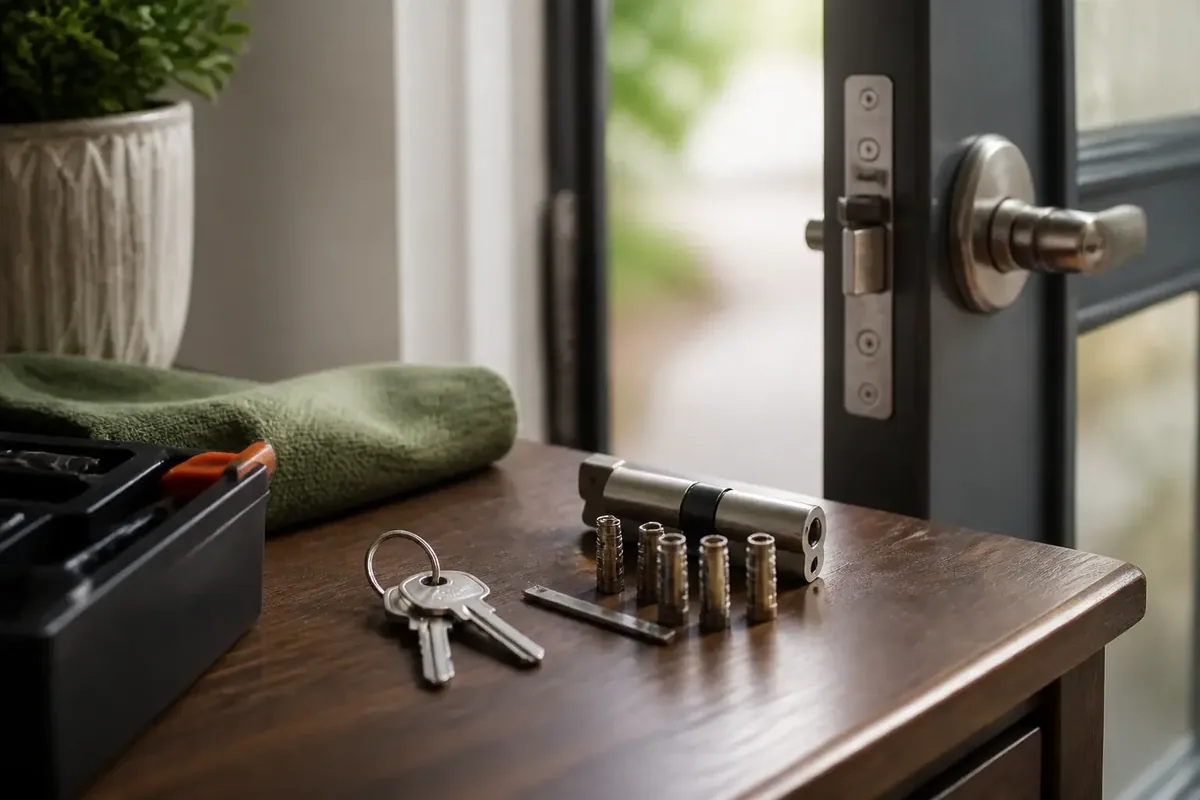
Describe the opening before dispatch: storefront, office suite, employee entrance, utility room, or another business door. Mention whether the issue is key control only or whether the lock, latch, closer, or frame is already giving trouble. A cylinder that operates well can be a rekey candidate; a door that will not latch may require repair or installation instead.
Also identify how many doors are involved and whether the locks need to work under a particular access plan. That information helps the technician assess compatibility and explain what the visit covers. It does not turn a mobile locksmith into an unconfirmed master-key or electronic-access provider; this site only represents the commercial work Hi-Q has confirmed.
- 1Identify the approver
Know who can authorize changes to the business locks.
- 2List the openings
Describe the doors, lock condition, and the access change you need.
- 3Confirm the scope
Ask which cylinders, keys, labor, and any repair work are included before work starts.
When is rekeying not enough?
Rekeying will not correct a damaged lock, a loose cylinder, a misaligned strike, or a door that is fighting the frame. Those are mechanical conditions that should be assessed separately. A business can need both a key-control change and a repair, but the technician should explain the difference rather than folding unrelated work into one vague service label.
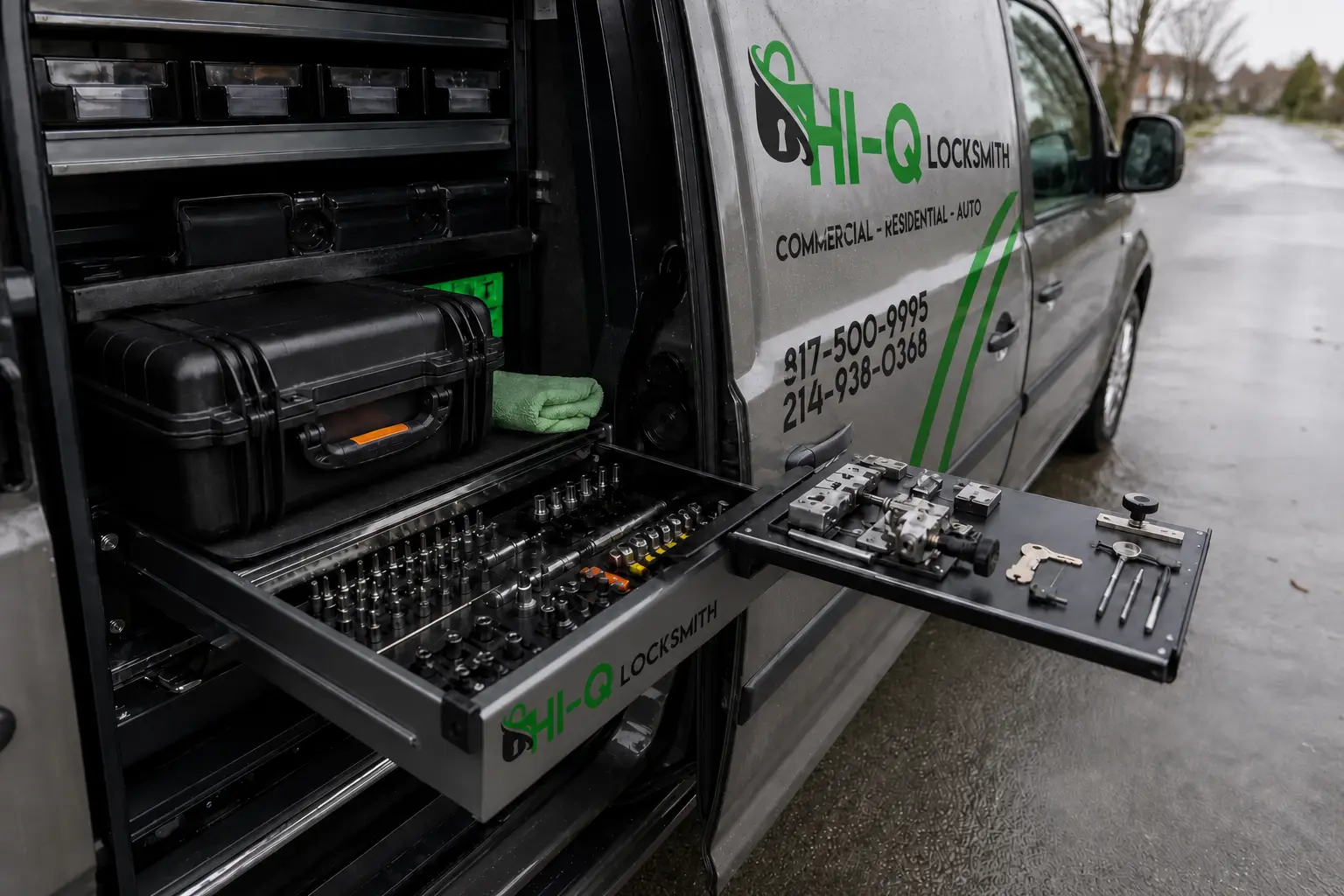
Commercial openings also carry operational considerations: a door may need to latch consistently, close properly, and remain usable for the people who depend on it. The safest course is to discuss the observed condition and approve only the repair or installation that the opening actually requires.
For an urgent access or security issue, use the dedicated commercial emergency service page. It follows the same authorization and inspection principles, with urgency defined by the business situation rather than a blanket 24-hour promise.
Commercial Rekeying FAQs
Can commercial locks be rekeyed after employee turnover?
Often yes, when the cylinders are compatible and serviceable. An authorized business representative should approve the change.
Do I need to replace a commercial lock to change keys?
Not necessarily. Rekeying can change key control while preserving compatible hardware that is still reliable.
What if the business door also will not latch?
That may be a separate repair or installation issue. The lock, strike, frame, closer, and hinges should be assessed as one opening.