
Quick answer
- Residential locksmith work in Fort Worth should begin with the least disruptive fix that still solves the problem.
- A home lockout does not automatically mean drilling, and a lost key does not automatically mean replacing good hardware.
- Rekeying is often the practical choice when the lock works but the key control needs to change.
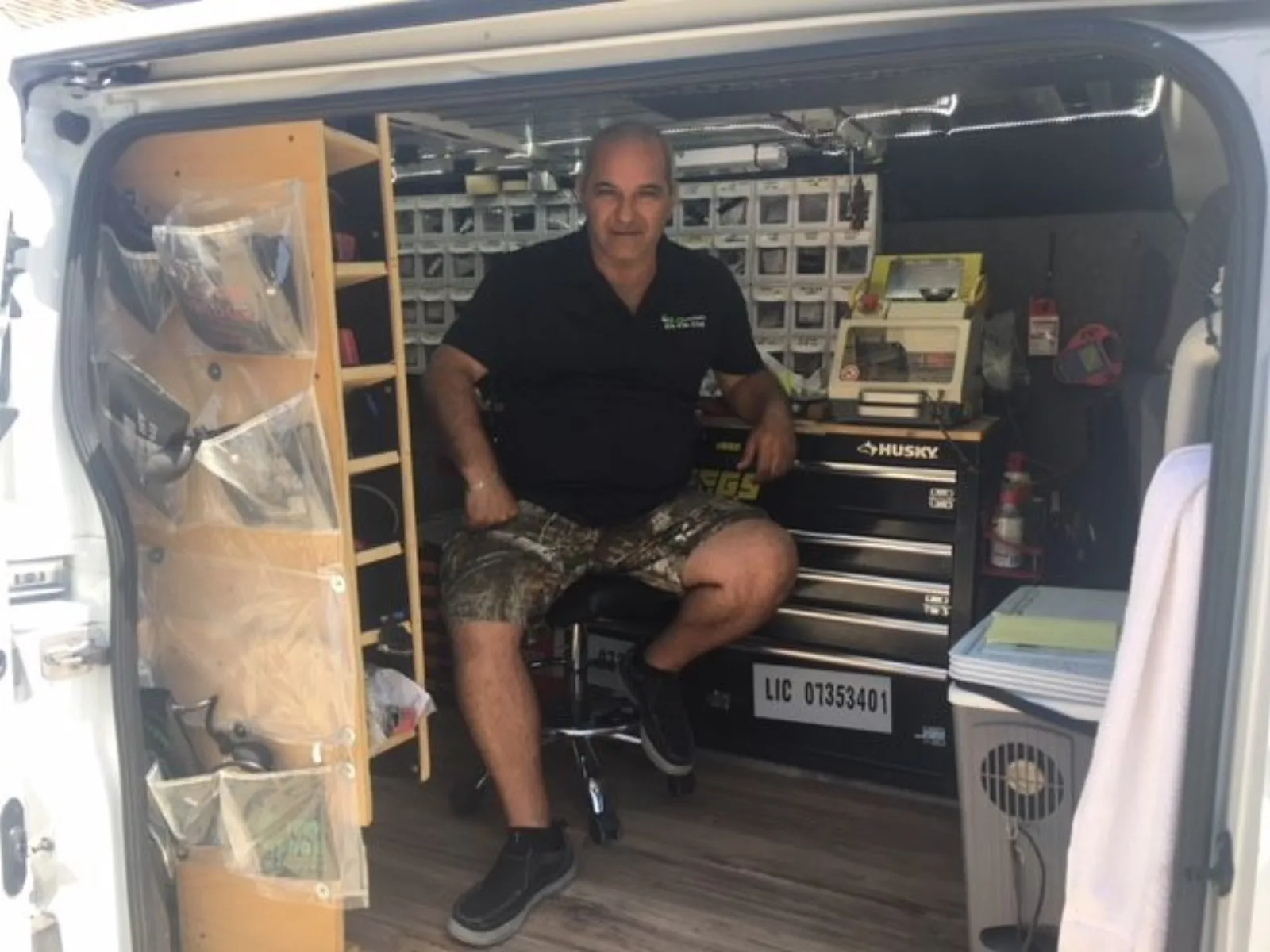
- Hi-Q confirms residential lockouts, rekeying, and lock repair - nothing beyond that is claimed here.
What does residential locksmith service cover?
Residential locksmith service in Fort Worth starts with access, security, and the condition of the hardware already on the door. If the issue is a lockout, the first goal is to get back in without needless damage. If the issue is a recent move, a lost key, or an ownership change, the question becomes who should have access now. If the issue is a worn lock, the question is whether repair is enough or whether the hardware has reached the end of its useful life.
Hi-Q's confirmed residential services are home lockouts, lock rekeying, and lock repair. Start with the specific problem so dispatch can direct the call correctly.
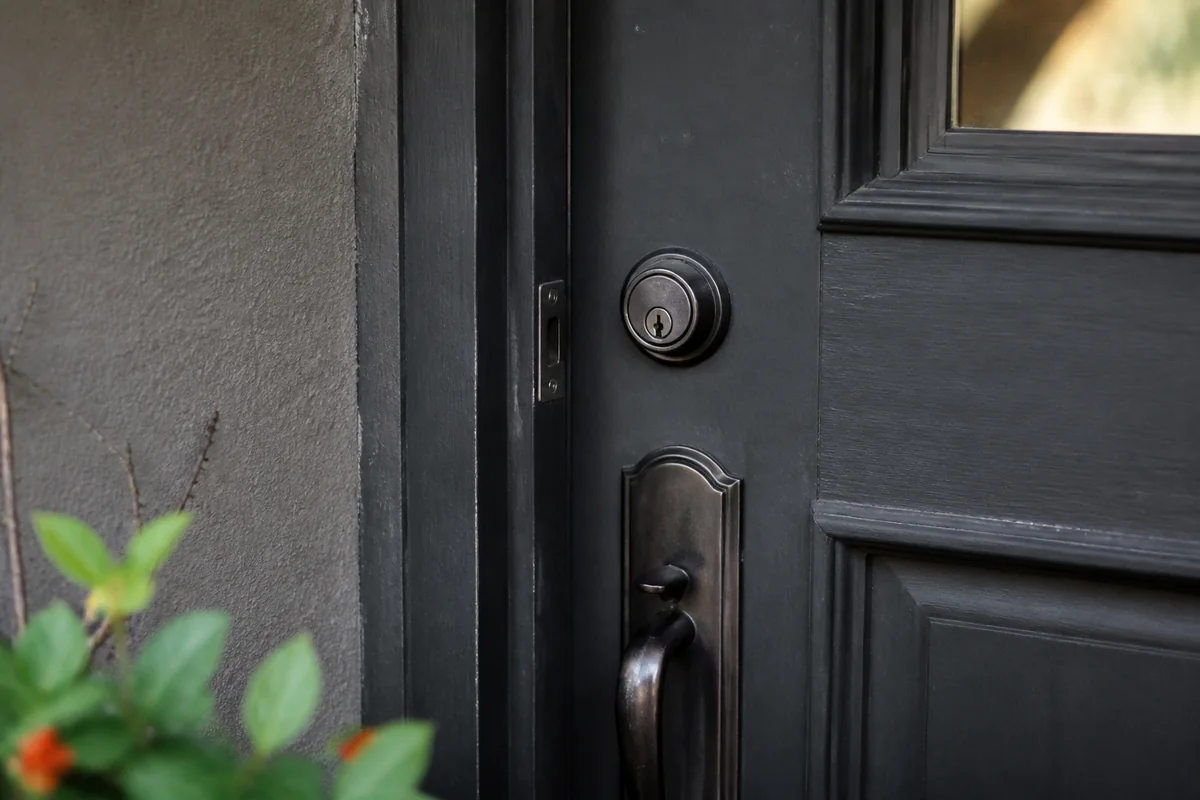
Rekey pricing depends on the number of compatible cylinders, the condition of the hardware, and whether any parts need to be replaced during the visit.
When is rekeying the better answer?
Rekeying makes sense when the existing lock still works well but the key should no longer be the same. That is common after moving into a home, after a key has been lost, or when a landlord or property manager needs to restore key control on a compatible cylinder. The point is not to buy a new lock when the old one can still do its job.
- You want old keys to stop working.
- The lock turns smoothly and the door latches correctly.
- The hardware is compatible with a rekey instead of a replacement.
- You want one working key across multiple matching cylinders.
Rekeying is not a cure for a bad door. If the latch is misaligned, the cylinder is worn out, or the lock has internal damage, repair or replacement may be the honest answer. The useful question is whether the hardware can be trusted after the key change.
What does a home lock repair usually address?
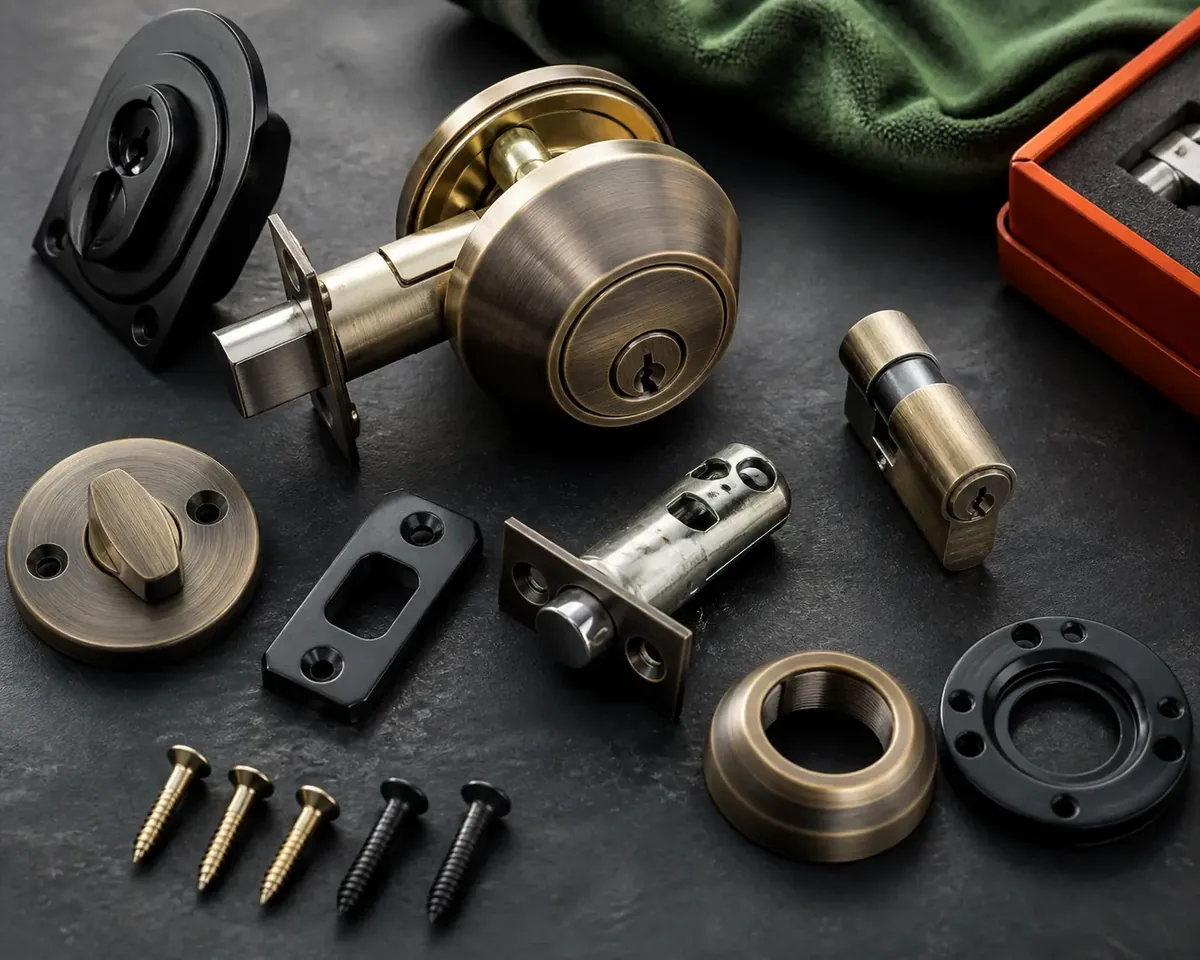
Lock repair covers the kind of mechanical problems that make a door frustrating before they make it unusable. A sticky key, a loose cylinder, a misbehaving deadbolt, or a lock that does not engage cleanly can often be improved without changing the whole system. The technician should inspect the door, latch, strike, and lock together rather than treating the cylinder as the only part that matters.
That system view matters because many 'lock' complaints are really alignment or wear problems somewhere else in the opening. A clean repair should leave the door easier to use and the lock more reliable, not just quieter for one afternoon.
What should you say when you call for home service?
- 1Name the problem plainly
Say whether it is a lockout, a rekey after moving, or a lock that is sticking, loose, or unreliable.
- 2Describe the door and hardware
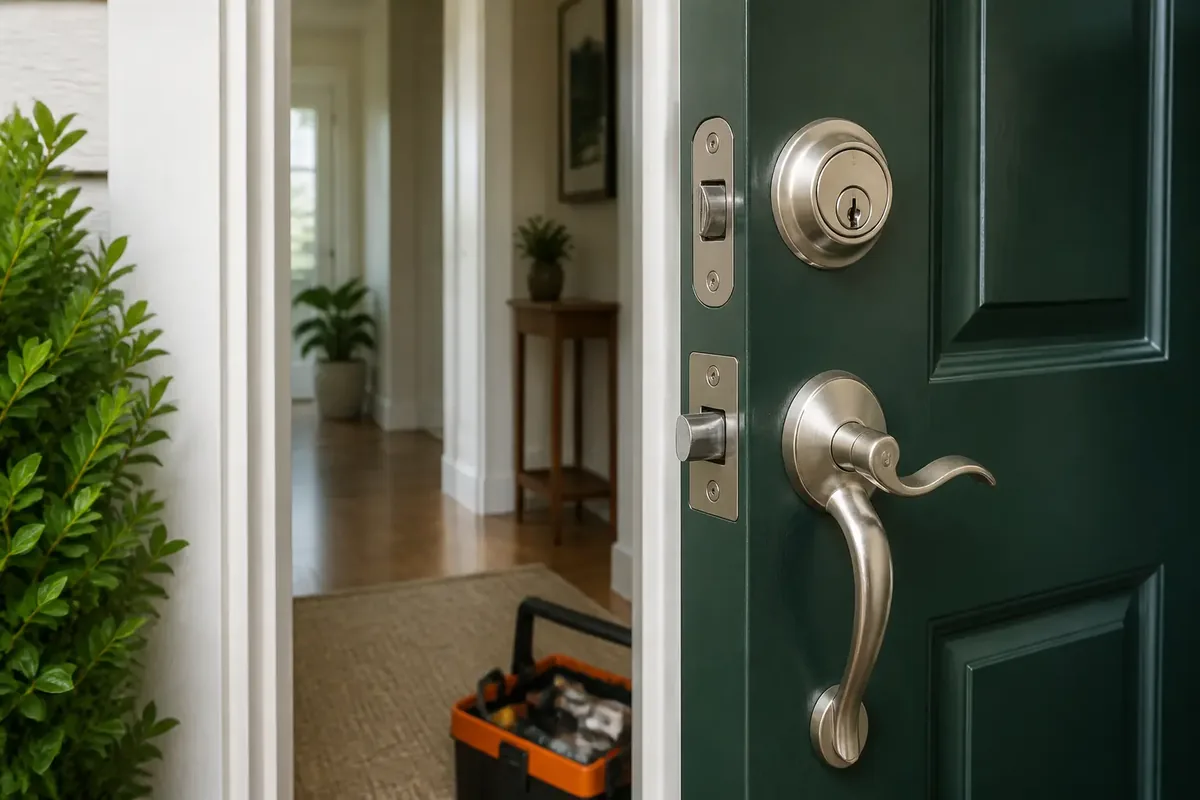
Tell the dispatcher whether it is a deadbolt, knob lock, or another mechanical setup, and mention any visible damage.
- 3Confirm authorization
If you are a tenant, landlord, or property manager, be ready to explain why you are authorized to request the work.
- 4Ask what is included
Request the price range for the exact scope so travel, labor, and parts are not confused later.
A careful phone description gives the technician a better shot at bringing the right parts and choosing the least disruptive fix. That is usually better for the customer and better for the door.
Residential Locksmith FAQs
Does a home lockout always require replacement?
No. A lockout is often solved with controlled entry, and the existing hardware may still be fine afterward.
When should I rekey after moving in?
Rekey as soon as practical if you want old keys to stop working. It is usually the first step when the hardware is still in good condition.
Can every residential lock be rekeyed?
No. The lock has to be compatible and in usable condition. Some hardware is better repaired or replaced instead.
What is the difference between repair and rekeying?
Rekeying changes which key works. Repair fixes a mechanical problem with the lock or related door hardware.