
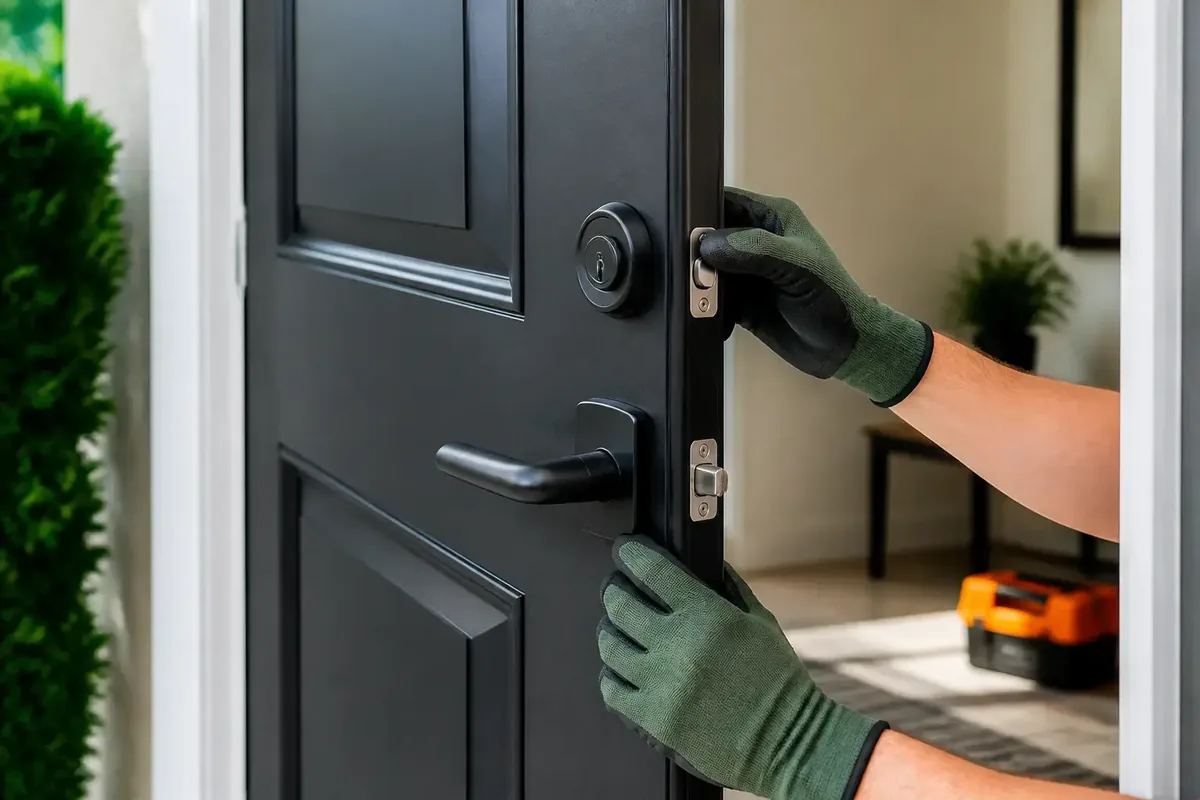
Quick answer
- A normal home lockout is an access problem first, not an automatic drill-and-replace job.
- Have the address, door details, and proof that you are authorized to enter ready when you call.
- A child, medical issue, fire, or immediate safety risk belongs with 911 or local emergency services first.
- Hi-Q is a licensed mobile locksmith; timing and final scope are confirmed by phone before dispatch.
What happens during a home lockout?
A home lockout can be stressful, but the first useful step is simple: describe the door, the lock, and whether any key is available inside or elsewhere. A deadbolt on a front door, a knob lock on a side entry, and a damaged door after a failed DIY attempt each call for a different assessment. The goal is controlled, authorized access with as little disturbance to the door and hardware as the situation allows.
Hi-Q advertises home lockouts as one confirmed part of its residential service. That is deliberately narrower than a generic emergency promise. Before work begins, the technician should understand who is requesting entry, what hardware is involved, and whether the lock or door already has damage that changes the practical path.
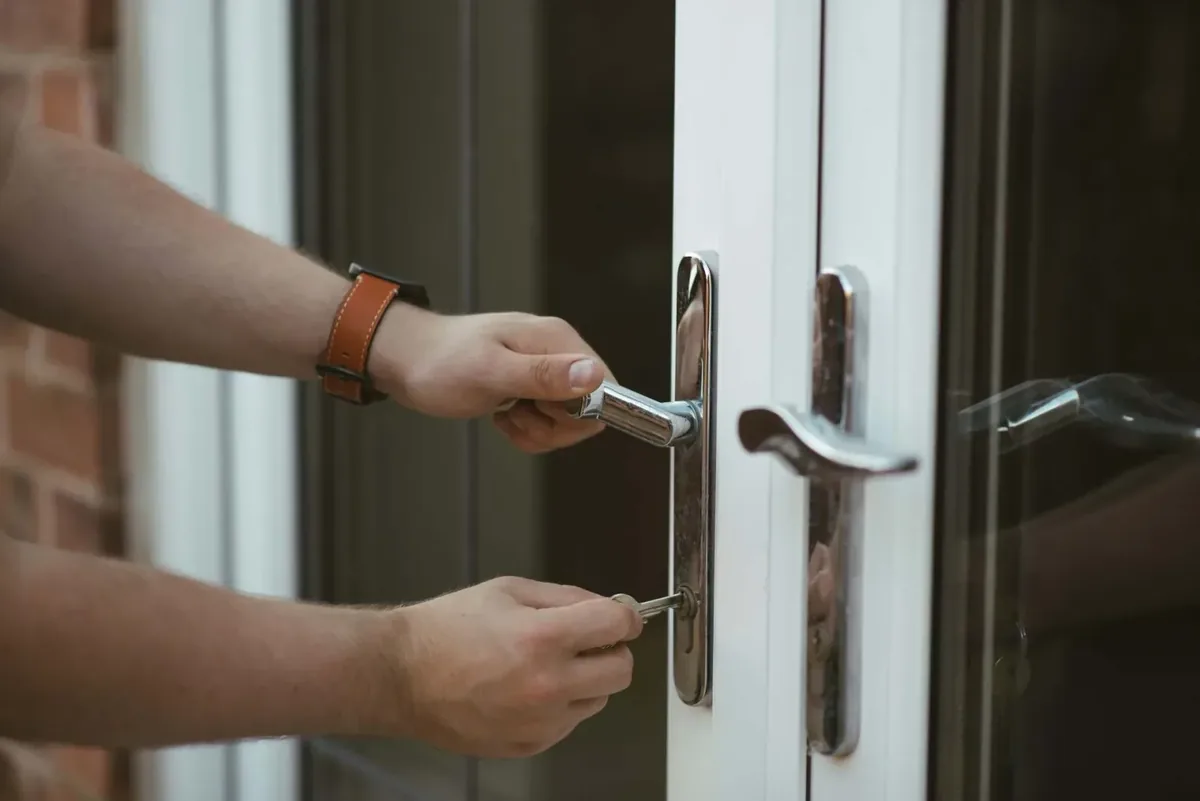
If a child, vulnerable person, pet, fire, heat exposure, or medical danger is involved, call 911 or local emergency services instead of waiting for a normal locksmith visit.
How can you prepare for the call?
Share the exact address, a callback number, and the door you need opened. Mention a visible deadbolt, keypad, storm door, broken key, or previous damage if any of those are relevant. Those details do not guarantee a fixed price or arrival time, but they make the phone estimate more useful and help the technician bring the right equipment for the actual opening.
Be ready to show identification, a lease, property-management authorization, or another reasonable proof that you can enter. The right proof depends on the situation. A careful locksmith protects residents, owners, and property managers by verifying authorization before changing a lock or restoring access to a home.
- 1Check safety
Call emergency services first if anyone or anything inside is in immediate danger.
- 2Describe the opening
Tell the dispatcher which door, lock type, and visible damage are involved.
- 3Confirm authorization
Have identification or another proof of your right to enter available for the technician.
When might the scope change?
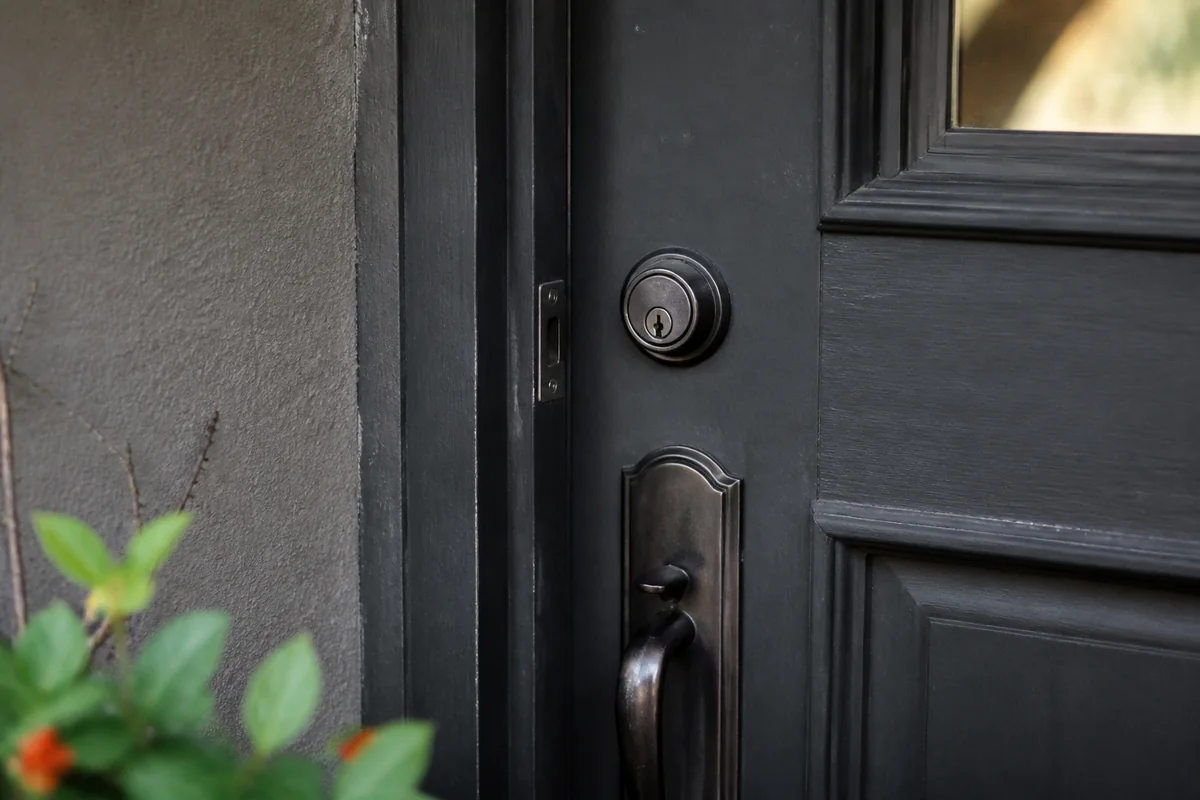
A straightforward lockout can become a repair conversation when the latch is misaligned, the cylinder is already worn, or the door has been forced. That does not mean replacement is automatic. It means the technician should stop, explain what the hardware is doing, and describe whether clean entry, repair, rekeying, or replacement is actually justified before any additional work is approved.
Avoid improvised entry attempts with pry bars, credit cards, or tools pushed through the window channel. Those methods can bend trim, damage weather seals, crack glass, or make a simple access job more expensive. A controlled inspection is usually a better next step than creating a second problem at the door.
If you regain access another way before the visit, call back with the update. Mobile dispatch is most helpful when the technician is headed to a current, authorized job with a clear scope.
Home Lockout Service FAQs
Will a home lockout always require drilling the lock?
No. The method depends on the door, lock condition, and lawful access situation. Drilling or replacement should be explained before it is used.
What proof should I have for a home lockout?
Bring identification and any reasonable proof that you are authorized to enter, such as a lease, property-management authorization, or address documentation.
What if someone is in danger inside the home?
Call 911 or local emergency services first when there is a child, vulnerable person, pet, fire, heat, or medical danger.