Quick answer
- Test every exterior lock with the door open and closed.
- Door alignment matters as much as the cylinder itself.
- Use the right lubricant, or none at all.
- Call early if the lock feels different, loose, or unreliable.
Start with a simple two-position test
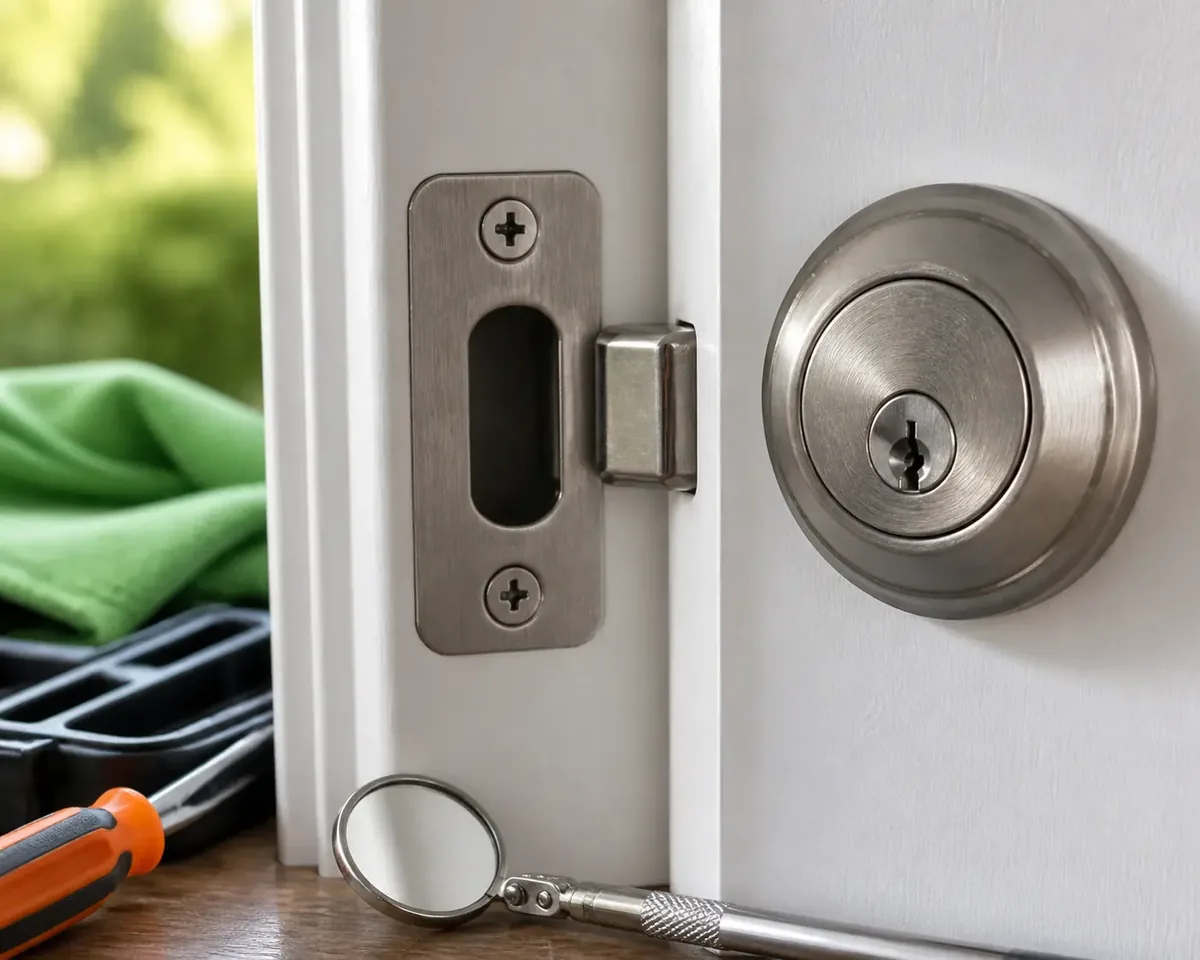
Test the lock with the door open and then again with the door closed. If the key works when the door is open but binds when it is shut, the issue may be alignment rather than the cylinder itself.
If maintenance turns up a failing lock, the residential locksmith page covers repair and replacement. The published rekey cost guide lists $15 to $50 per cylinder and a $40 to $90 service call.
If the lock feels rough in both positions, the problem is more likely in the key, cylinder, or hardware. Either way, the test gives you a useful clue before you start guessing.
Inspect the surrounding hardware
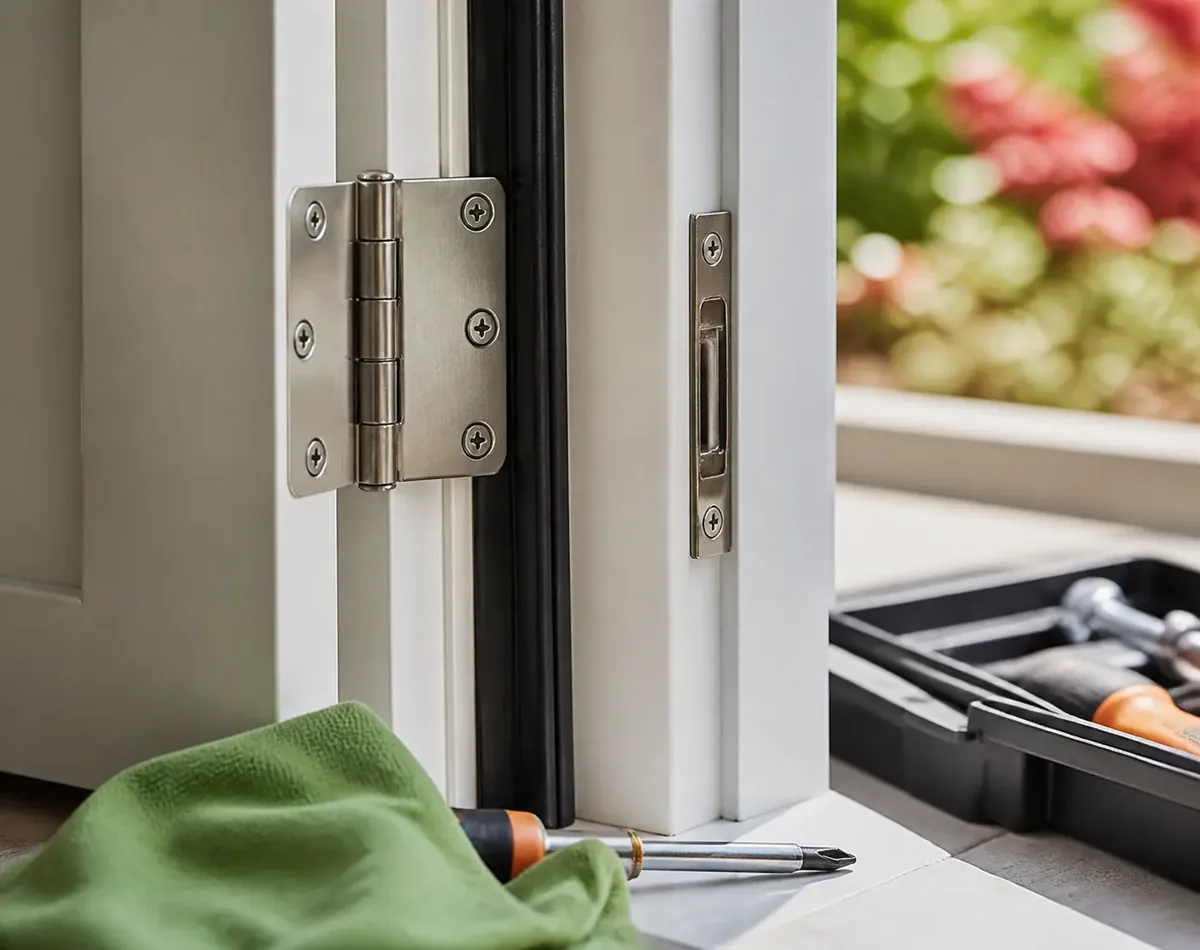
Check the hinges, strike plate, screws, weather seals, and trim around the lock. A deadbolt can look fine while the door itself has shifted just enough to create friction.
Seasonal heat and normal building movement can change how a door sits. If the property is near White Settlement Road or Loop 820, give Hi-Q the exact Fort Worth-area location when you report a sticking door.
Use lubrication carefully
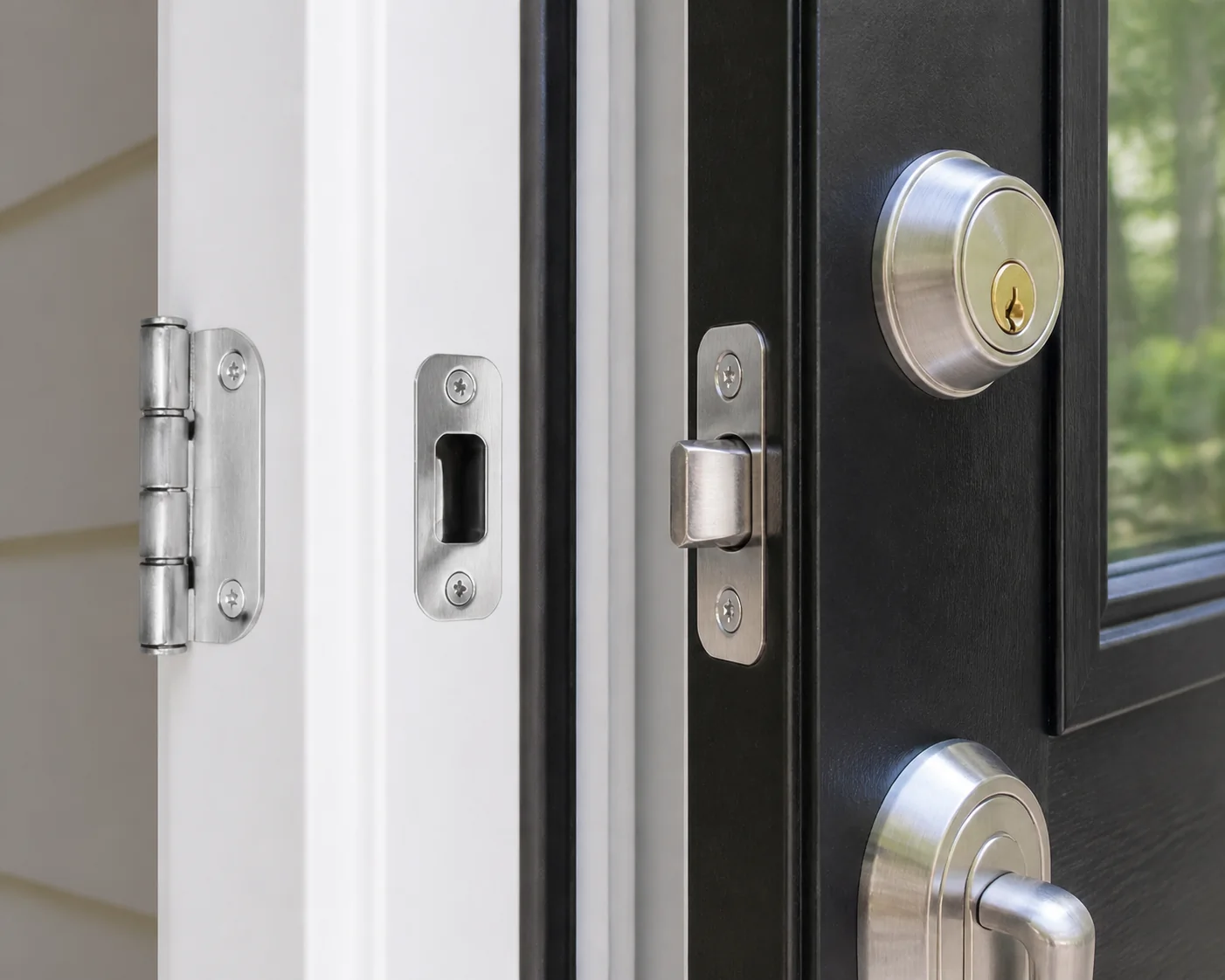
If a lubricant is appropriate for the lock, use the product the hardware calls for and avoid overdoing it. Some oils attract debris and can make the problem worse over time.
If the key is visibly bent or the lock keeps catching, ask Hi-Q to inspect it instead of adding more lubricant.
What to look for on the key itself
A worn key can create the impression that the lock is failing when the real issue is the cut on the key. A copy that works once and then sticks is often a warning sign that the key is nearing the end of its useful life.
Keep the better copy and retire the damaged one before it snaps off inside the cylinder.
When maintenance becomes service
- 1The deadbolt misses the strike
That usually means alignment needs attention.
- 2The knob or trim is loose
Fasteners or internal parts may be shifting.
- 3The key binds repeatedly
The cylinder, key, or door pressure needs inspection.
- 4The lock looks damaged
Ask Hi-Q to assess repair versus replacement.
Frequently asked questions
Why does my deadbolt work when the door is open but not closed?
The bolt and strike are probably misaligned, or the door is under pressure from hinges, weather seal, or frame movement.
Can I use household oil in a lock?
Use only a lubricant that is appropriate for the lock and follow manufacturer guidance. Some oils can attract debris and worsen operation.