
Quick answer
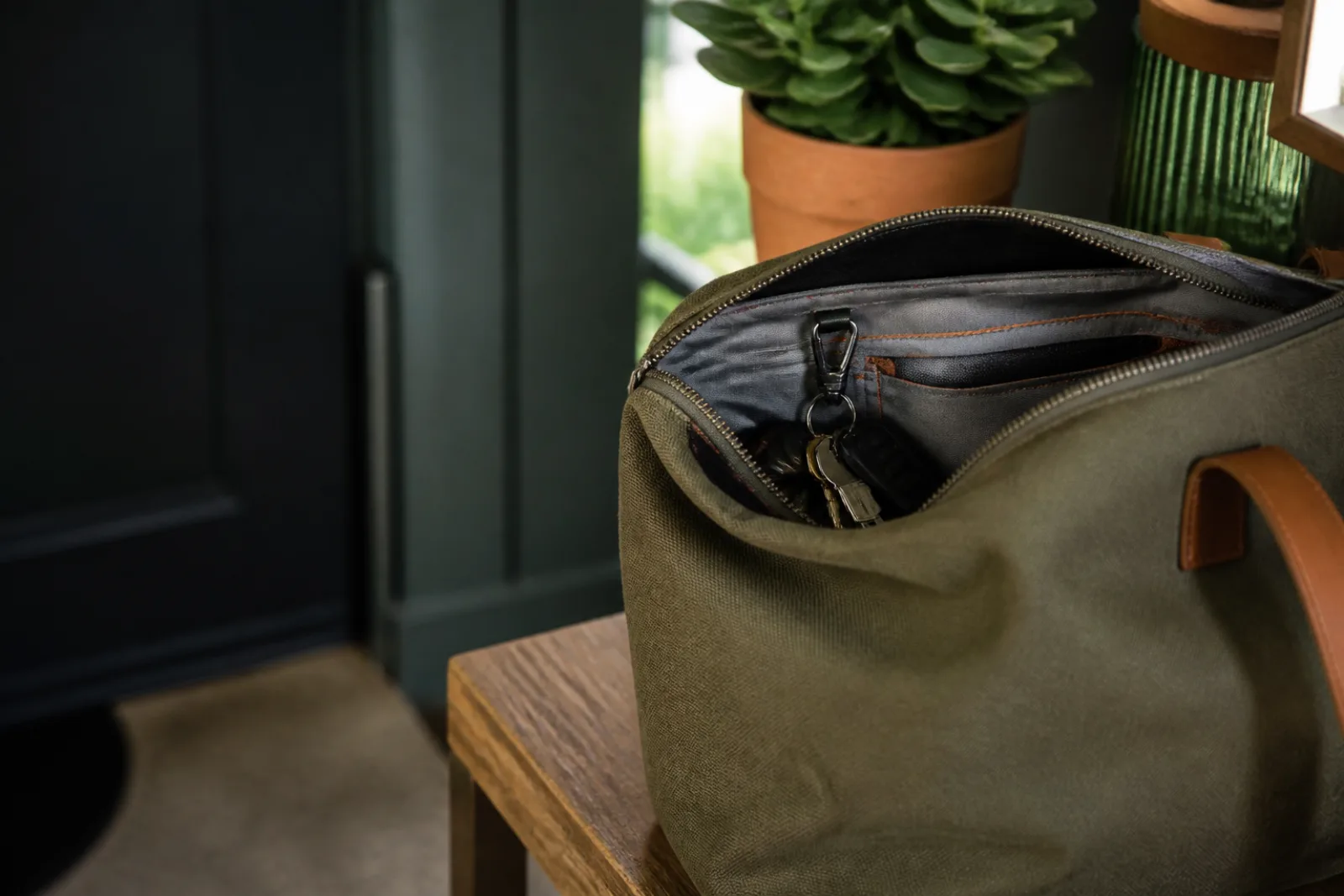
- Use the same pocket, hook, or bag every day.
- Touch-check keys before the door or trunk closes.
- Do not hide a labeled spare near the entry.
- Retire bent, cracked, or unreliable keys before they fail.
Find the moment your routine breaks
Most lockouts happen in a transition: carrying groceries from a Lake Worth lot, taking trash through a self-locking side door, moving a child seat between cars, or rushing out before a storm. The answer is not a complicated security system. It is one repeatable pause at the exact point where the door can close behind you.
Pick a home for the key that works with your real day. That may be a zipped pocket, one bowl away from the door, or a fixed clip inside a work bag. If the place changes every evening, it is not a system.
For immediate help, the home lockout service and car lockout service explain the confirmed service paths. Prevention starts after the immediate problem is stable.
Use a two-second exit check
- 1Keys
Touch the key or confirm it is clipped before closing the final door.
- 2Phone
Keep a way to call and retrieve address or vehicle details.
- 3People and pets
Check passengers and dependents before a vehicle door closes.
- 4Destination
Know whether the next door needs a different key or credential.
Do the check at the threshold, not after walking to the car. For a vehicle, do it before closing the trunk if the key is loose among bags. A beep or app notification can fail; the physical check is the backup.
If your home has a door that locks automatically when pulled shut, make that fact visible to guests and cleaners without posting access information. A simple spoken reminder is safer than propping the door or disabling the latch.
Choose a spare strategy that does not advertise itself
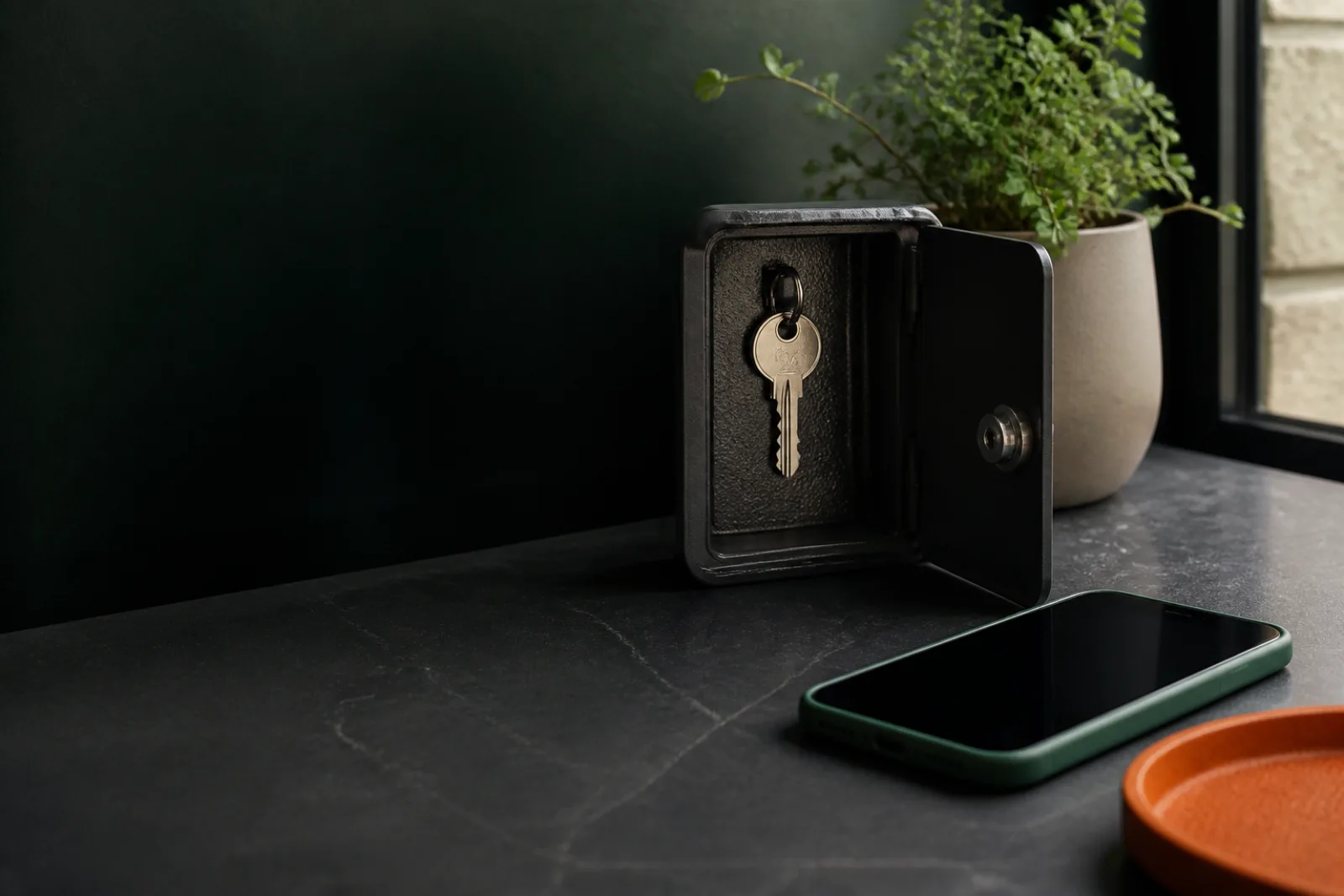
The fake rock beside the front step and the key taped inside an unlocked grill are not plans. A spare should be with a trusted nearby person, inside a suitable managed lockbox, or held through another controlled arrangement that fits the property. Never attach the street address.
Renters should follow the lease and property rules before adding devices or making copies. Businesses should use their authorization and key log, not a communal hiding spot. Recover a spare when a relationship, vendor, or tenancy changes.
For a car, decide what is actually useful. A spare locked in the same vehicle is not available during a lockout. If you travel across the Fort Worth area for work, a trusted person who lives an hour away may not be a practical first backup.
Maintain the key and the door
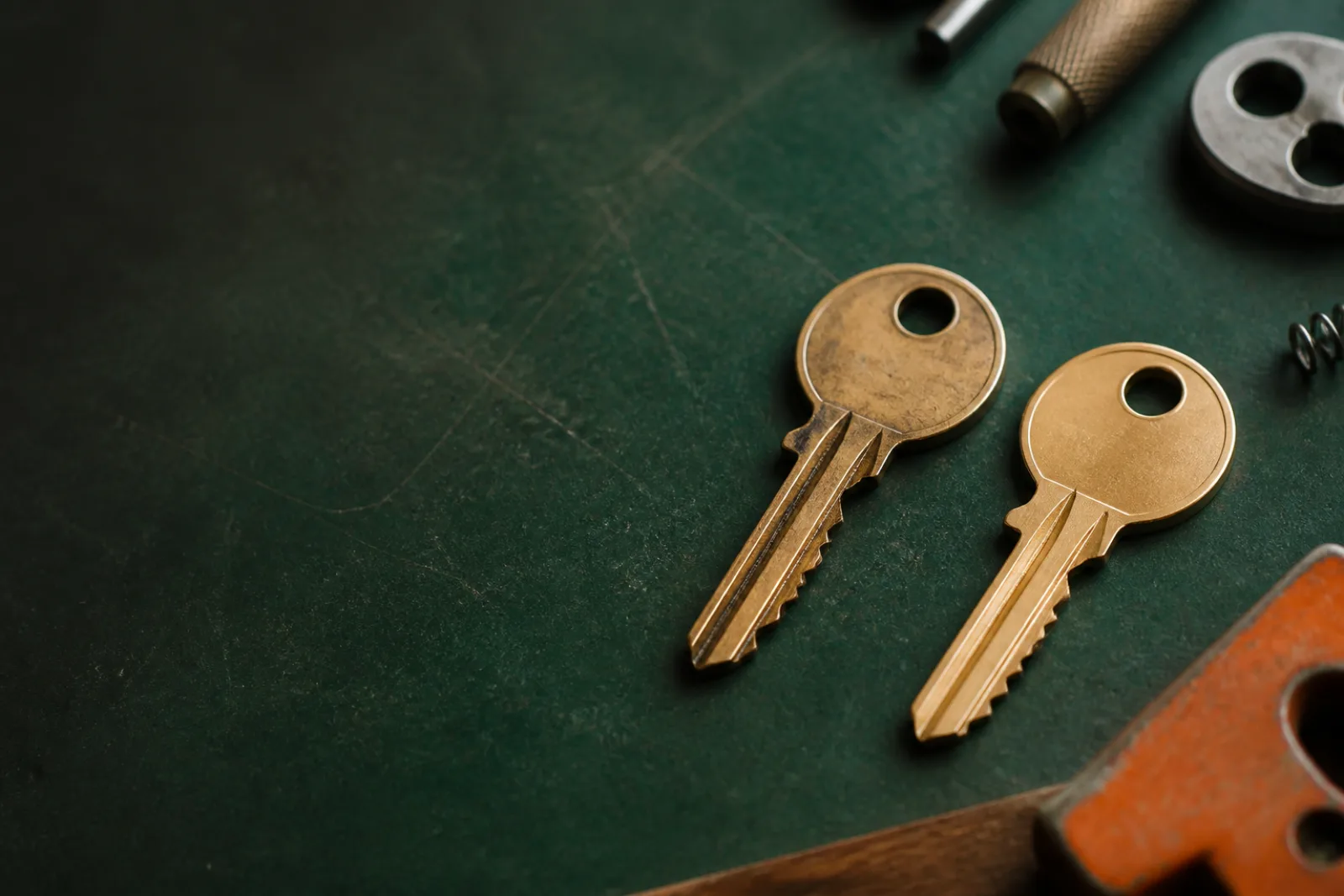
A prevention plan fails if the key snaps or the deadbolt binds. Look for bending, sharp polished wear, cracks at deep cuts, loose heads, and copies that need a wiggle. Retire the bad copy while a reliable original is still available.
Test house locks with the door open and closed. If the key works open but binds closed, alignment is likely involved. The home lock maintenance checklist covers hinges, strikes, weather seals, and seasonal movement.
On a North Texas summer afternoon, a slightly shifted door can require more force than it did in spring. Do not train the household to pull hard and twist. Fix the cause before someone is outside with half a key.
Make a calm backup card
Write down the property's manager or trusted contact, your roadside coverage if any, and the vehicle year, make, and model. Store the note securely on your phone without including alarm codes or a photo of both sides of an identification document.
If a lockout happens, move away from traffic, confirm nobody is at risk, and avoid improvised entry tools. The car lockout action guide has the immediate sequence.
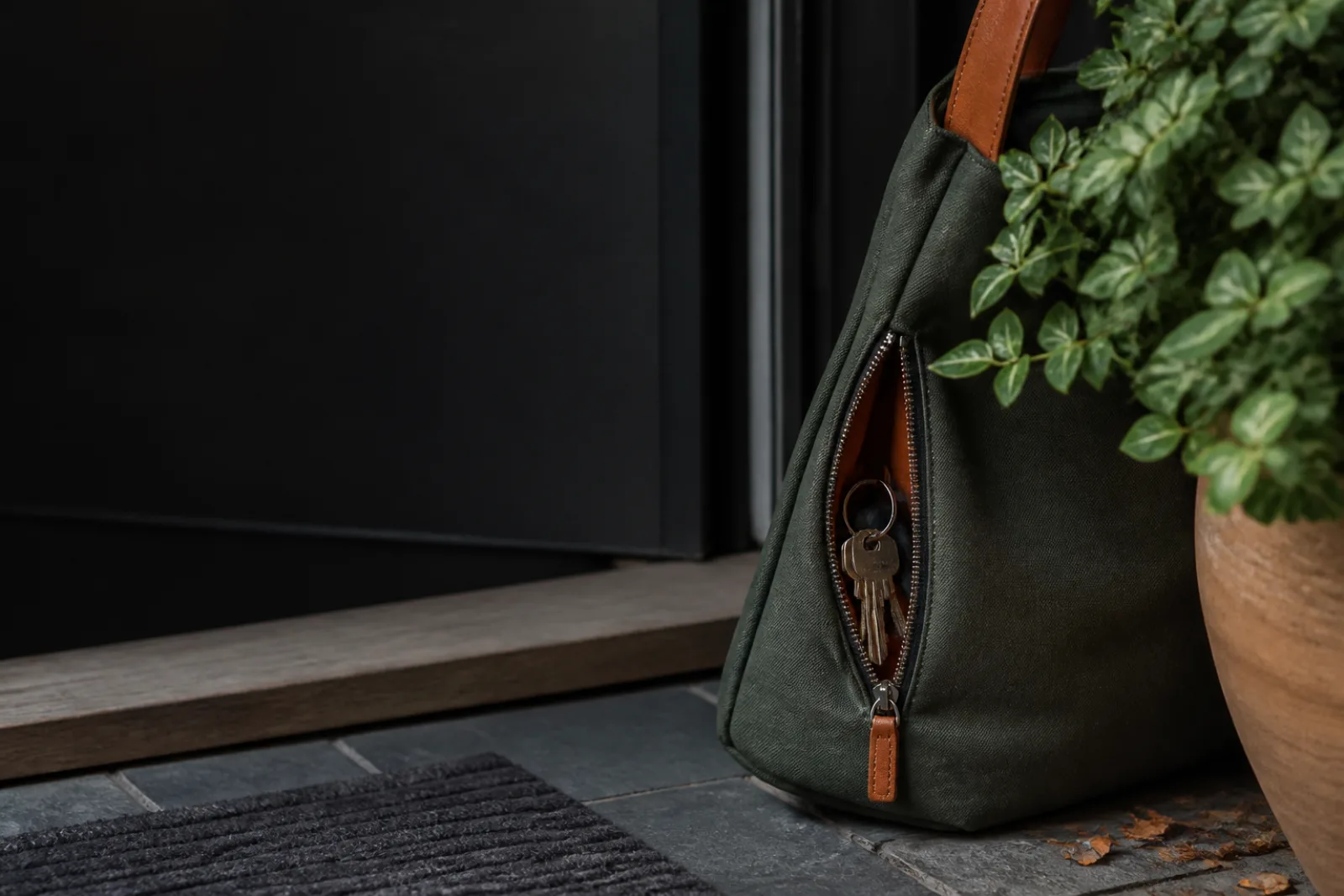
Afterward, fix the failure point. If the key was in yesterday's jacket, change the storage habit. If the latch caught, service the door. If a child closed the button lock, change the adult handoff routine. Specific fixes stick.
Practice the backup once on an ordinary day. Confirm that the trusted person still has the right key, that a managed key case opens, and that the copy operates without force. For a vehicle, confirm the spare is accessible without the locked car and identify ownership documents a provider may request. Do not wait for a rainy night beside Loop 820 to discover that the spare belongs to a previous deadbolt or that the emergency contact changed numbers. A prevention plan earns its name only when it has been tested.
Named sources
Frequently asked questions
Where should I keep a spare house key?
Use a trusted person or a properly managed secure option that fits your property and lease. Avoid obvious outdoor hiding places and address labels.
How can I avoid locking keys in the trunk?
Physically touch or secure the key before the trunk closes, especially while loading groceries, luggage, tools, or child equipment.
Should I make a copy from a worn key?
Use the best available original or accurate copy. Duplicating a badly worn key can reproduce its problems.
What should I do if someone is locked in a vehicle?
If a child, vulnerable person, pet, heat, fire, or medical risk is involved, contact 911 or local emergency services first.
Continue reading
What to Do When You’re Locked Out of Your Car
A calm, damage-avoiding action plan for the moments right after a vehicle lockout.
A Home Lock Maintenance Checklist for North Texas
Simple checks for doors, deadbolts, latches, keys, and weather-related alignment changes.
Key Broke Off in the Lock? Do This First
Safe first steps for a broken key in a home, business, or vehicle lock, including what to stop doing and what details to report.