
Quick answer
- Do not push the fragment deeper.
- Do not add glue, wire, drills, or household picks.
- Save the key head and any loose pieces.
- A broken automotive key and a broken house key may need different service.
Freeze the situation before it gets worse
The first useful move is usually no move at all. When a worn brass key snaps in a deadbolt near Lake Worth or breaks in a car door at a Burleson parking lot, another twist can bury the fragment behind wafers or pins. Take your hand off the lock, check that everyone is safe, and look at the keyway without poking it.
If part of the blade is visibly loose and sitting outside the keyway, you may be able to lift it with your fingers. Stop if there is resistance. Tweezers that cannot grip the exposed edge often push it farther in, and a screwdriver turns an extraction into cylinder damage.
For a vehicle, use the broken car key extraction page. If a broken house key has left you outside, the home lockout page explains authorization and entry scope.
What not to put in the keyway
Skip super glue, hot glue, magnets, drill bits, paper clips, safety pins, and internet-made extractor shapes. Adhesive can bond the fragment to internal parts. A drill can destroy a serviceable cylinder. A sharp improvised tool can also slip into your hand when the keyway is under tension.
Lubricant is not a universal answer either. The wrong product can carry grit deeper into the cylinder or make gripping the fragment harder. If the lock was already rough, corroded, frozen, or under door pressure, tell the technician rather than trying several products in sequence.
- Do not rotate the remaining fragment
- Do not force a spare key behind it
- Do not pry the door or vehicle frame
- Do not discard the broken head
Work out why the key snapped
A key can fail because it is worn, bent, poorly copied, or already cracked near a deep cut. The lock can contribute too. A deadbolt that only turns when the door is pulled, an ignition that binds, or a cylinder packed with debris puts extra load on a thin blade.
Test the door only after the fragment is removed. If the bolt moves freely with the door open but binds when closed, alignment is part of the problem. If the cylinder is rough in both positions, it may need inspection or repair. Copying the broken key without fixing the cause can produce a repeat failure.
North Texas heat can make a marginal door alignment show up in late afternoon. In older Fort Worth homes, layers of paint around the strike and settling at the jamb can add pressure that the key was never meant to overcome.
What to photograph and report
- 1Show the whole lock
Take one clear photo of the hardware and door or vehicle context.
- 2Show the key
Photograph the broken head and any recovered piece beside each other.
- 3Describe the last turn
Say whether it broke while entering, locking, unlocking, or starting.
- 4Mention prior symptoms
Report sticking, door pressure, corrosion, or a bent key.
Give a vehicle's year, make, and model, or describe the residential hardware and door. Mention whether another entry is available and whether the property manager, owner, or vehicle registrant can authorize the work. Better facts help the provider bring the right extraction and replacement options.
Ask for a range before dispatch and review the urgent locksmith cost factors. Extraction, entry, a replacement blade, and cylinder repair are separate pieces of work, so make sure the quote says which ones are included.
After the fragment comes out
Keep the pieces until a working replacement has been tested. The broken blade can help identify the original profile, but it may be too worn to serve as the only pattern. If a better spare exists, bring it. Do not assume the newest-looking copy is the most accurate one.
Test the repaired or replacement key gently. On a door, try it open and closed. On a vehicle, confirm exactly which confirmed function was restored. If the lock still binds, stop and address the cylinder, latch, alignment, or ignition issue rather than muscling through another key.
Finally, retire bent and heavily worn copies. A cheap spare made from a poor copy can preserve every error in the chain. Label spares without putting a street address or vehicle identifier on the ring.
If the failure happened at a rental or workplace, tell the person responsible for the opening what happened and which pieces were recovered. A broken key can be personal property while the cylinder belongs to someone else. Clear authorization prevents a rushed repair from becoming a lease, access, or billing dispute. Record the date, the affected opening, and the final test so a second sticking key is recognized as a pattern rather than a surprise.
Named sources
Frequently asked questions
Can I pull a broken key out with tweezers?
Only if a loose edge is already exposed and can be lifted without pushing or twisting. Stop at the first resistance.
Should I put glue on the broken key?
No. Glue can bond the fragment to the lock and turn a straightforward extraction into cylinder replacement.
Why did the key break?
Common contributors include metal fatigue, a bent or poor copy, a binding cylinder, door misalignment, corrosion, or excessive turning force.
Will the lock have to be replaced?
Not automatically. It depends on where the fragment sits and whether the cylinder or surrounding hardware was damaged.
Continue reading
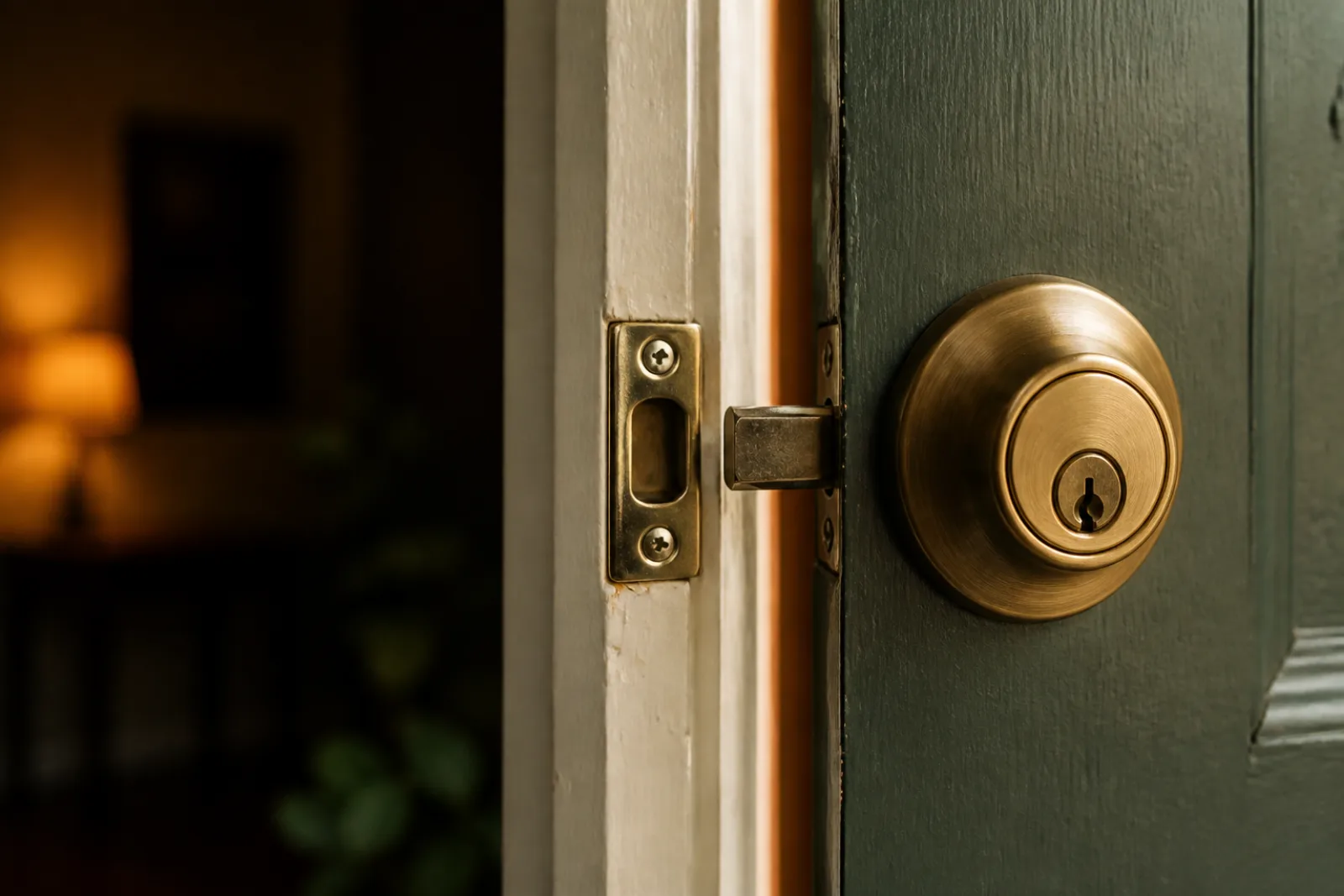
Door Won't Lock? A 10-Minute Troubleshooting Guide
A no-force test for door alignment, latch and strike problems, key wear, loose hardware, and the point where a repair call makes sense.
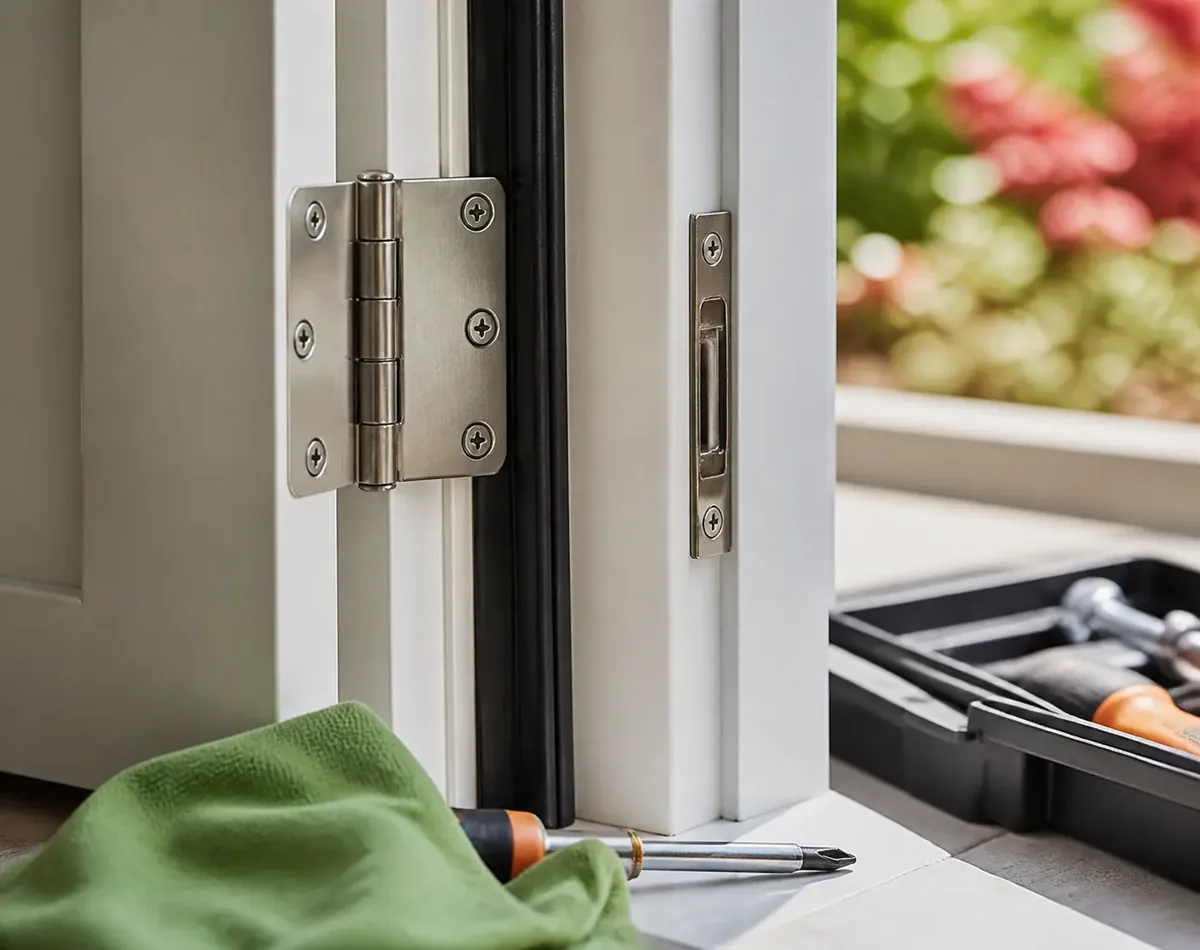
A Home Lock Maintenance Checklist for North Texas
Simple checks for doors, deadbolts, latches, keys, and weather-related alignment changes.