Quick answer
- Rekey when the hardware works and the main problem is key control.
- Replace when the lock is worn, damaged, or a poor fit for the door.
- Count every exterior cylinder before you decide.
- A mixed plan is often the most practical option after closing day.
Why moving changes the security question
When you move into a new home, you rarely know how many copies of the old keys exist. Previous owners, relatives, cleaners, contractors, and neighbors may have had access at some point. That uncertainty is enough reason to restore key control even if the locks look fine.
The published lock rekey cost guide lists $15 to $50 per cylinder and a $40 to $90 service call. The residential locksmith page covers the full home service scope.
Rekeying is the simplest answer when the hardware is serviceable. It changes which key operates the cylinder without forcing you to replace a lock that still works well.
When rekeying is the better choice
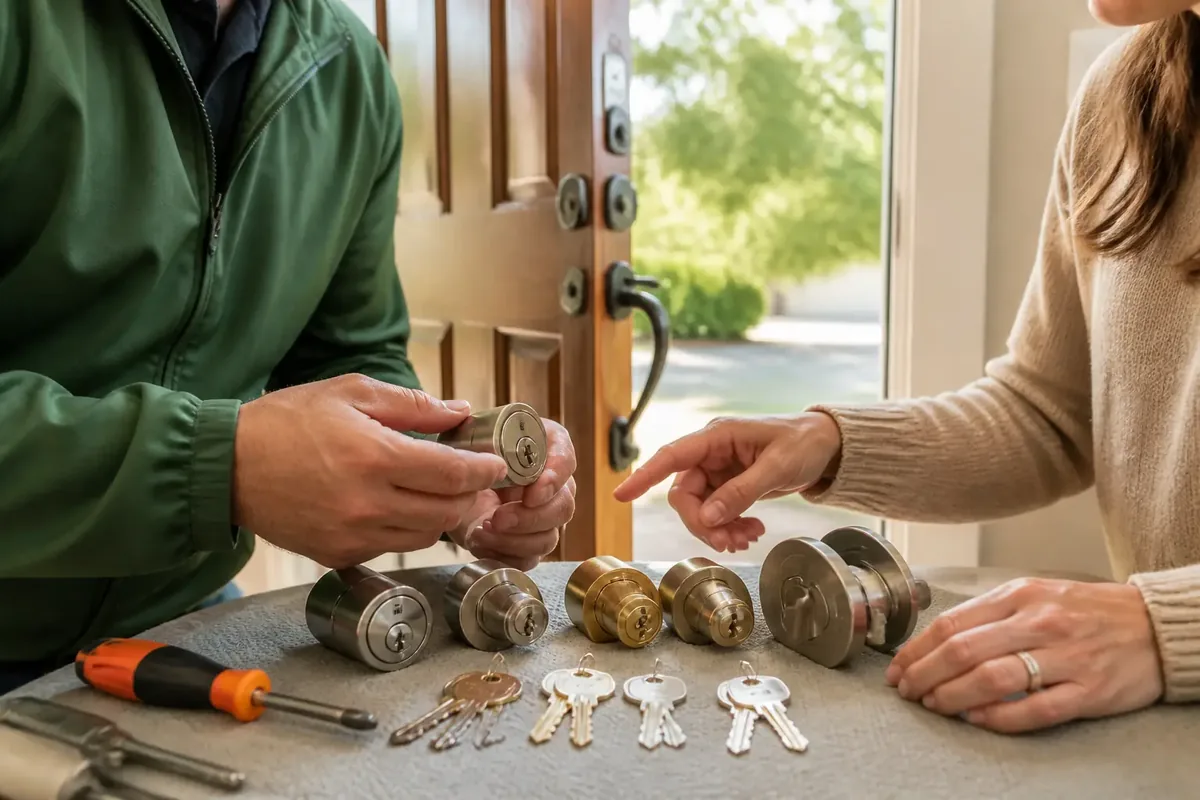
Choose rekeying when the lock turns smoothly, the latch lines up, and the door hardware is otherwise in good shape. If the lock family is compatible, one key can often be made to work across multiple exterior doors.
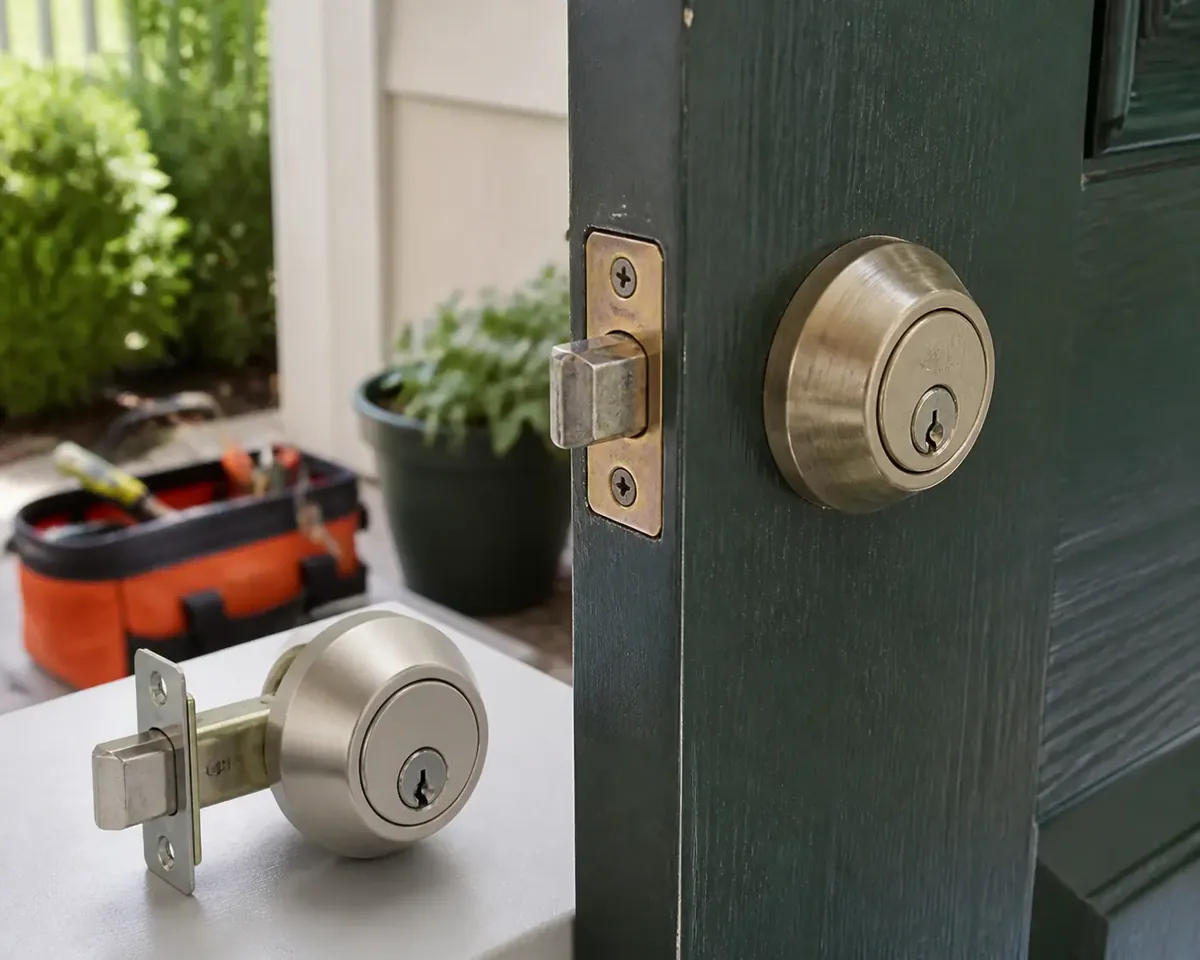
For a White Settlement move-in near White Settlement Road, tell Hi-Q which exterior entries need key control so the visit starts with the actual openings.
- Exterior doors that still operate smoothly
- Garages or side entries with compatible cylinders
- Detached structures with working but untrusted keys
When replacement is the right call
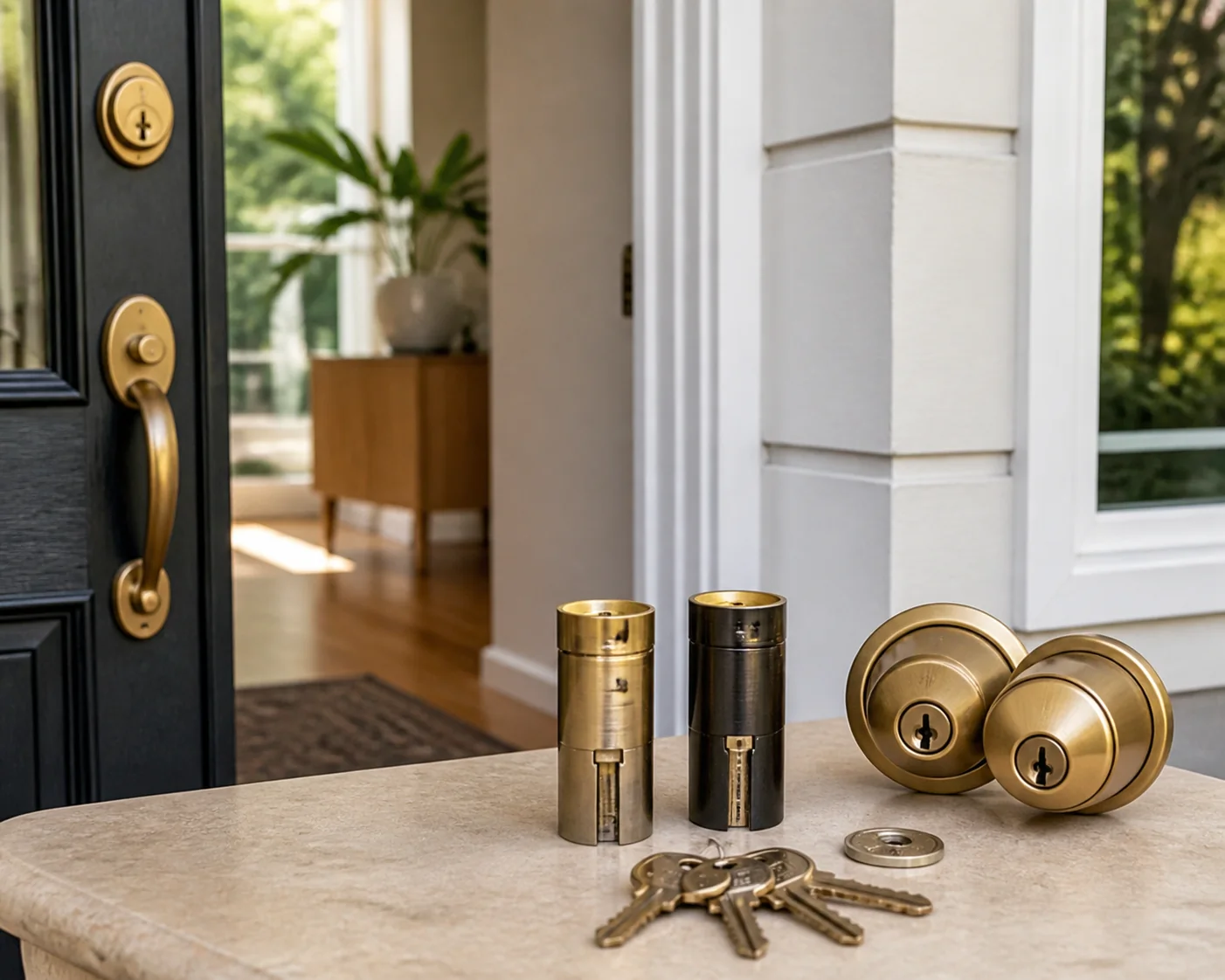
Replace locks that are damaged, worn out, loose, corroded, misaligned, or missing the security features you now want. A new key will not solve a bad strike, a warped door, or a cylinder that already fails under normal use.
Replacement can also make sense when the current hardware is obsolete or incompatible with the keying plan you want. In that case, it is better to choose parts that fit the door correctly than to force a compromise.
A move-in checklist that keeps the decision simple
- 1Inventory every entry
Walk the property and list front, side, back, garage, gate, mailbox, and detached-structure locks that matter.
- 2Test each lock
Check whether the lock works cleanly when the door is open and when it is closed.
- 3Separate the good from the bad
Keep serviceable hardware in the rekey group and move damaged or unreliable hardware into the replacement group.
- 4Decide the key plan
Ask whether the compatible locks can all share one key and how many copies you actually need.
This approach avoids paying to replace hardware that still has useful life in it.
What to do after the work is finished
Test every new key before the technician leaves. Keep a record of which doors were rekeyed or replaced, and store any spare keys securely rather than tagging them with your street address.
If you bought the home recently, it is also a good time to look at hinges, door alignment, and weather sealing so the new lock is not compensating for a frame problem.
Frequently asked questions
Do I need to replace every lock after moving?
No. If the hardware is serviceable, rekeying is usually the first option to consider.
Can all my doors use one key?
Only if the cylinders are compatible. A locksmith needs to inspect the hardware before promising a single-key plan.