

Quick answer
- Section 92.156(a) ties the turnover rekey duty to the tenant turnover date.
- Tenant-requested additional work can be treated differently from turnover rekeying.
- Written requests, dates, receipts, and key records matter.
- Read the current statute or consult a Texas lawyer for a specific dispute.
What Section 92.156 actually says
The current Texas statute says a security device operated by a key, card, or combination must generally be rekeyed by the landlord, at the landlord's expense, no later than the seventh day after each tenant turnover date. That is more precise than saying every lock must be changed before move-in. The statutory term and deadline matter.
The rule sits in Subchapter D of Chapter 92, which covers residential security devices. It does not create a blanket rule for every interior lock, commercial lease, or owner-occupied property. Section 92.156(d), for example, excludes closet doors and other interior doors from that section.
For the work itself, see the residential rekeying service. The lock rekey cost guide is the better route for cost variables. Neither page replaces the statute or legal advice.
Turnover work and tenant-requested work are different

| Situation | Who generally pays under Section 92.156 | Practical record |
|---|---|---|
| Turnover rekey under subsection (a) | Landlord | Turnover date, work order, invoice, completion date |
| Additional rekey requested by tenant under subsection (b) | Tenant | Written request, approval, charge record |
| Change for landlord master-key use under subsection (c) | Landlord | Authorization and key-control log |
| Interior closet or other interior door | Outside this section | Lease and separate policy |
A Fort Worth property manager turning ten units near Bryant Irvin Road should not treat the turnover work like an informal maintenance note. Record the turnover date, the affected devices, who authorized access, the completion date, and how new keys were controlled. That paper trail is useful even when nobody is arguing.
A tenant's later request can involve different payment and timing rules. Section 92.161 addresses a reasonable time for requests and includes special circumstances. Do not compress all of those rules into one slogan. Read the operative text for the facts in front of you.
What renters should document
- 1Use writing
Send the request through a lease-approved channel and keep a copy.
- 2Name the device
Identify the exterior door, sliding door, card access, or combination device involved.
- 3Record dates
Keep the turnover, request, notice, and completion dates separate.
- 4Preserve the response
Save work orders, invoices, messages, and key receipts.
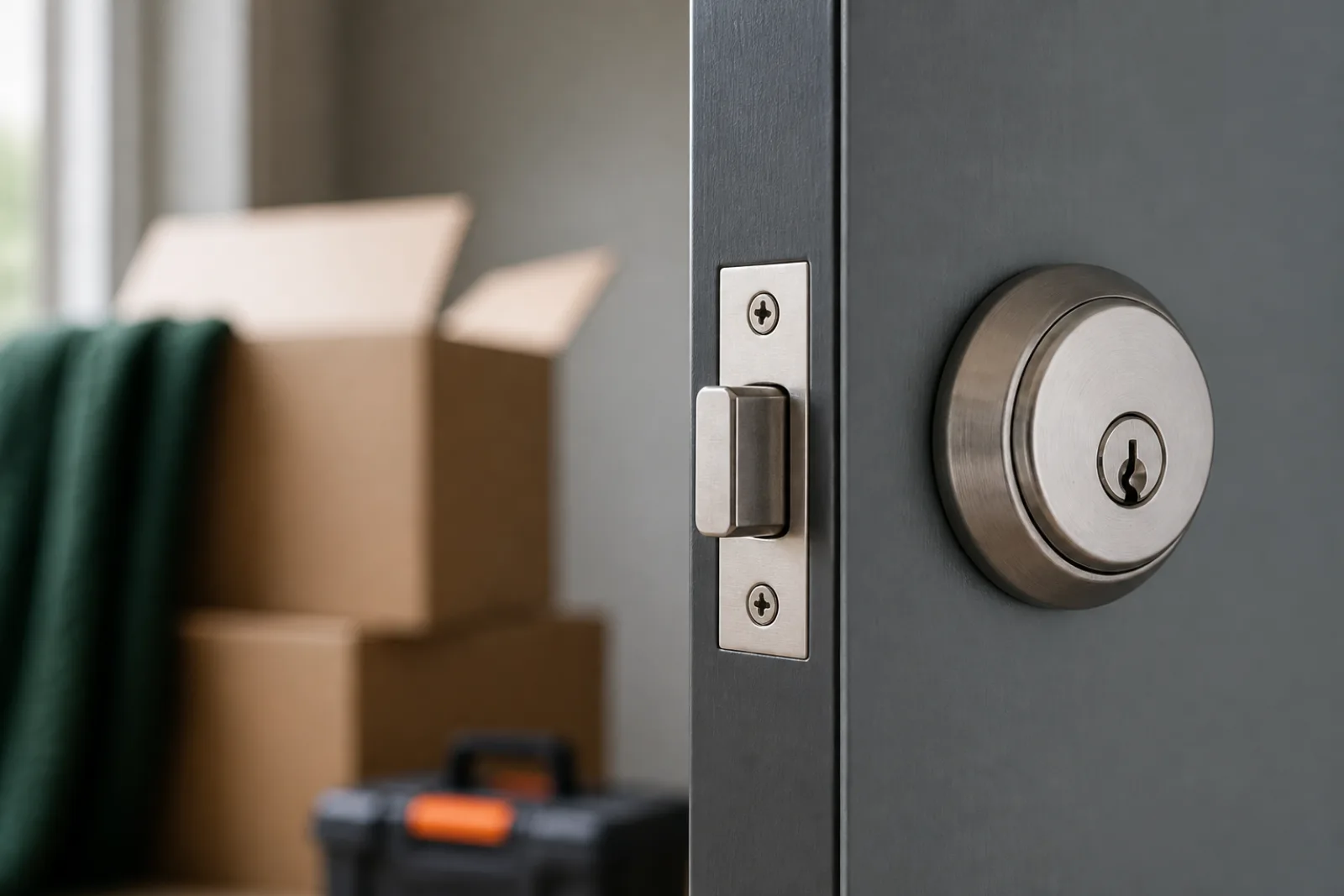
If you have just moved into an apartment off Camp Bowie Boulevard, ask the manager what was rekeyed and when rather than assuming a shiny key means the cylinder was changed. A new-looking copy is not proof by itself. Do not dismantle property hardware or arrange unauthorized work because an online article sounds confident.
If there was an attempted unauthorized entry or another serious safety event, say that clearly in the written request. The code contains timing provisions that may turn on those facts. This is where a tenant organization or Texas attorney can help interpret the current law.
What landlords and managers should verify
Start with the lease file and the statutory definition of the turnover date. Then inventory the devices that fall within the security-device rules. A duplex in Benbrook, a large complex near TEXRail, and a small rental house in Saginaw may have different hardware, but the need for a traceable handoff is the same.
Use a licensed provider when the work falls within regulated locksmith activity, verify authorization, and keep the invoice with the unit record. The commercial rekeying page describes business key-control logistics, but a residential landlord should still follow the residential code and lease.
Do not leave a master key in an unlabeled drawer with casual access. Keep a controlled log, recover contractor keys, and distinguish a resident copy from a maintenance or master credential. Good key control is operational discipline, not just cylinder work.
Remedies and the point where you need legal advice

Section 92.164 lists tenant remedies for a landlord's failure to install or rekey certain security devices. Those remedies have conditions and cross-references. A blog post cannot decide whether a tenant may deduct a cost, terminate a lease, or bring a claim in a particular case.
Read the current Chapter 92 text before acting. If money, a lease termination, an alleged breach, or personal safety is at stake, talk with a qualified Texas attorney or tenant resource. A locksmith can document the hardware and work performed, but cannot decide the parties' legal rights.
Named sources
Frequently asked questions
Does Texas require a landlord to rekey after tenant turnover?
Section 92.156(a) generally requires covered security devices to be rekeyed at the landlord's expense no later than the seventh day after each tenant turnover date, subject to the statute's terms.
Does the law cover interior closet locks?
Section 92.156(d) says that section does not apply to closet doors or other interior doors.
Who pays when a tenant asks for another rekey?
Section 92.156(b) generally places an additional tenant-requested rekey or security-device change at the tenant's expense, but the full statute and facts should be reviewed.
Can a locksmith tell me whether I can end my lease?
No. A locksmith can report hardware condition and completed work. Lease remedies are legal questions for the statute, a tenant resource, or a Texas attorney.
What should a landlord keep in the unit file?
Keep the turnover date, authorization, affected devices, completion date, invoice, and a controlled record of issued and recovered keys.
Continue reading
Should You Rekey or Replace Locks After Moving?
A move-in checklist for deciding which locks to keep, which to rekey, and which to replace.
New to the Fort Worth Area? A Move-In Security Checklist
A whole-property move-in security walk for Fort Worth-area homes, including doors, garage access, gates, mail, keys, and local service planning.