
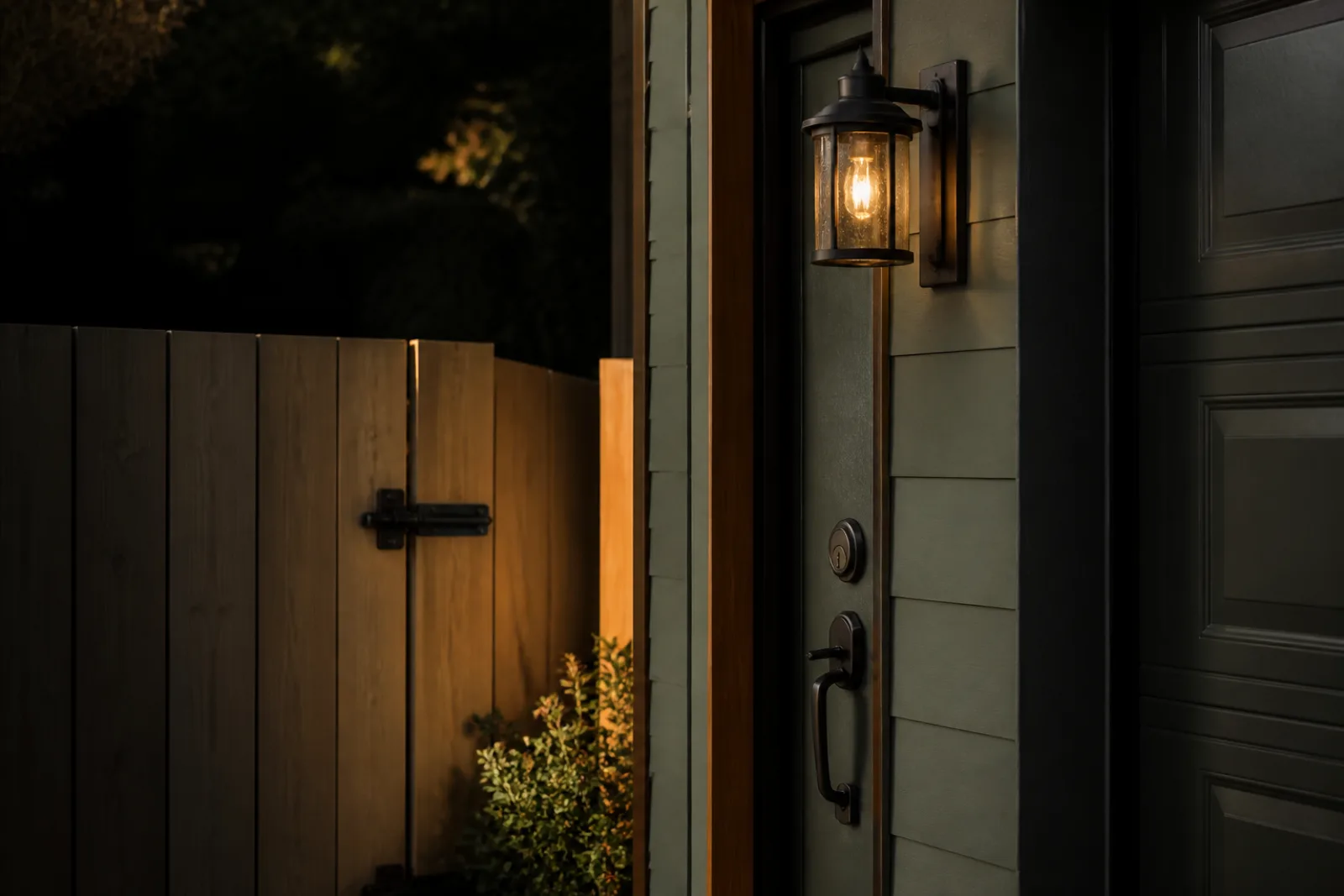
Quick answer
- Walk the path an actual resident or intruder would take.
- The garage overhead door and garage-to-house door are separate layers.
- Lighting, visibility, door condition, and key control work together.
- Do not defeat required egress or improvise locks that do not fit.
- Give temporary access the smallest practical scope and recover it when the need ends.
- Test monthly.
Why secondary entries get missed
The front door gets the camera, fresh paint, and new deadbolt. The side door gets trash bins, a dark fixture, a loose strike, and the key everyone lends to contractors. Garages collect remotes in old cars and keys on open shelves. Security drifts where daily convenience wins.
This is not a claim that every burglary follows one script. The useful point is simpler: inspect entrances with low visibility, frequent use, and uncertain access. A tidy front porch does not compensate for a garage-to-house door that never latches.
Start with the residential locksmith hub for confirmed service. Pair this walk with the home lock maintenance checklist when a door sticks or sags.
Treat the garage as two different doors
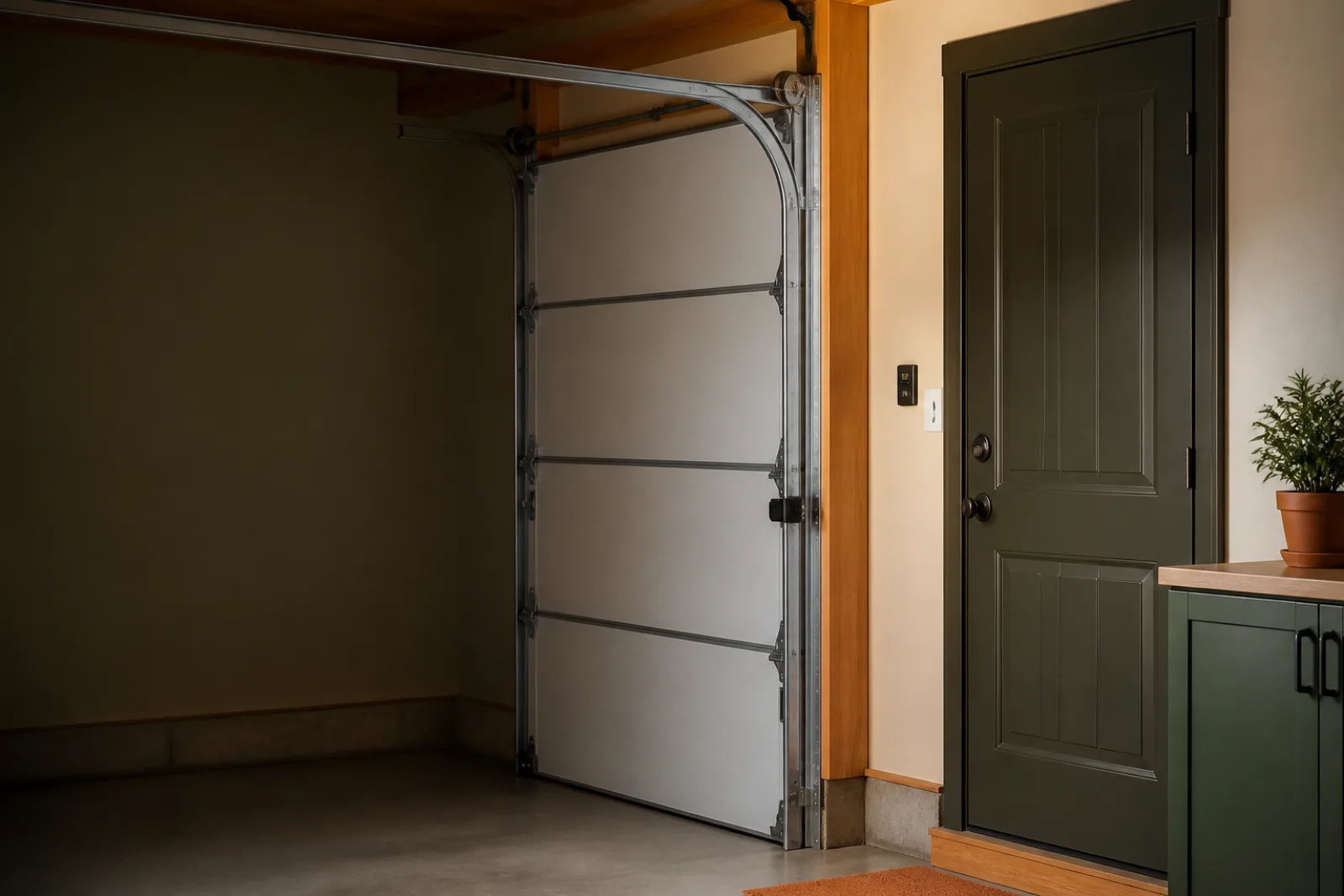
The overhead door controls vehicle access to the garage. The interior door controls access from the garage to the home. Review remotes, keypad codes, emergency-release guidance, and opener behavior according to the manufacturer. Then inspect the interior door's hinges, latch, lock, frame, and any closing or fire-related requirements.
Do not assume the opener makes the interior lock unnecessary. Power, remotes, manual releases, and human habits can fail independently. At the same time, do not add improvised hardware that interferes with safe exit or the door's required rating.
Remove address information from spare remote tags. Recover remotes from sold vehicles, former residents, and contractors, and use the documented erase or re-enrollment procedure where supported.
Walk the side path at night and in daylight
| Check | Daylight view | Night view |
|---|---|---|
| Visibility | Shrubs, fences, bins, blind corners | Working fixture and shadows |
| Door condition | Cracks, rust, loose trim, rub marks | Can you see and operate it safely? |
| Key control | Who holds copies? | Is a spare hidden nearby? |
| Approach | Gate latch and walking surface | Trip hazards and concealed areas |
Trim vegetation and move storage only within safe property-maintenance limits. The goal is a clear line of sight and a usable approach, not an exposed neighbor or a blinding fixture aimed off-property.
In Fort Worth summer heat, seals and frames can shift. Test the lock open and closed. A bolt that needs a shoulder push is a repair signal, not a household technique.
Match the hardware to the opening
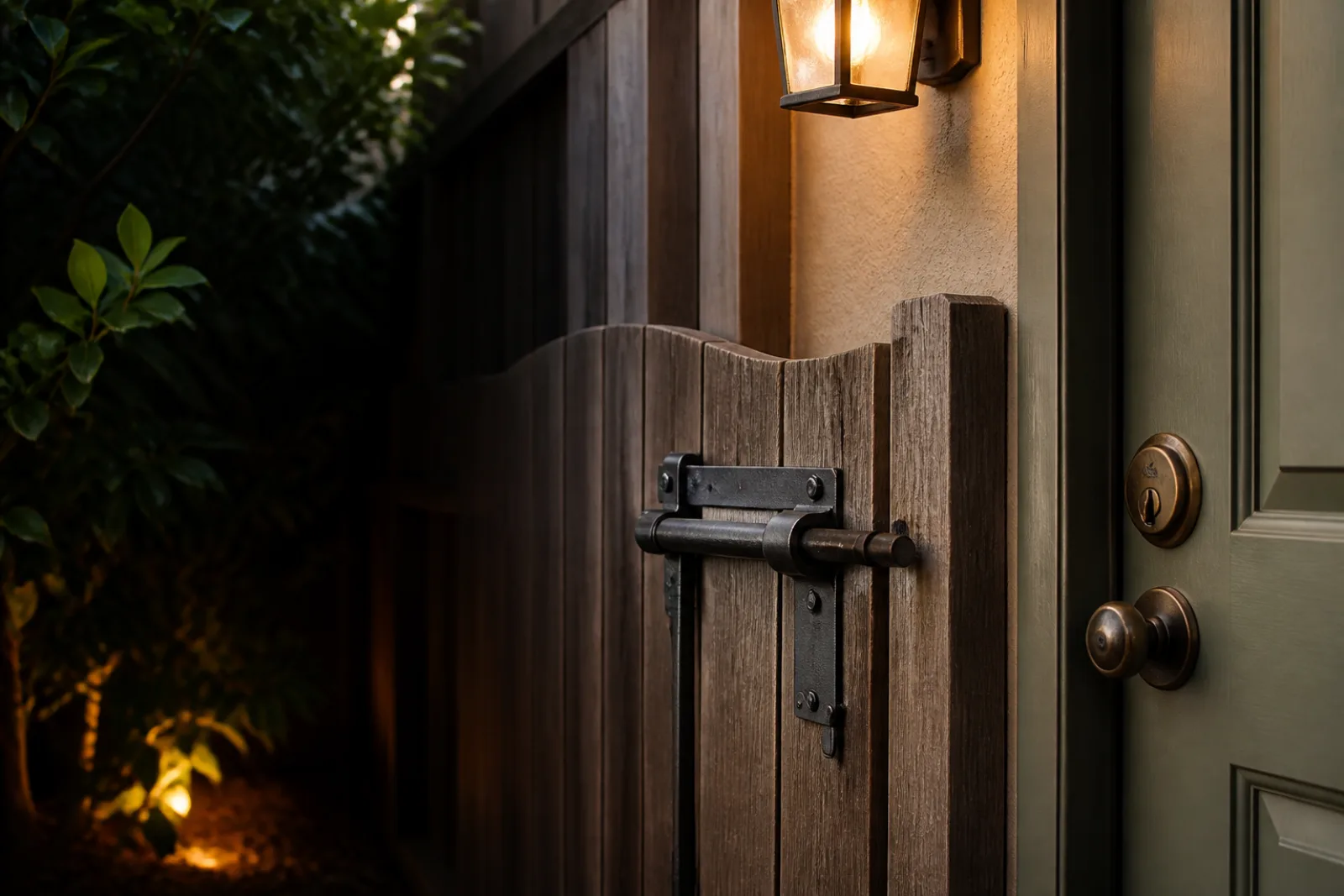
A strong lock mounted in split wood, thin damaged metal, or a loose frame cannot perform as intended. Check the door slab, edge, strike, fasteners, hinges, and frame together. Look for old pry marks, enlarged screw holes, corrosion, and a latch that barely catches.
If unknown keys exist, rekey serviceable compatible cylinders. If the lock or opening is damaged, repair or replacement may be needed. A mixed plan is normal.
After an incident, the break-in decision guide explains evidence, insurance, rekey, repair, and replacement order.
Build a monthly secondary-entry habit
- 1Operate every lock
Test open and closed without force.
- 2Count keys and remotes
Recover obsolete access and update the log.
- 3Check visibility
Replace failed lighting and clear the safe approach.
- 4Review closing habits
Make sure the last person checks the actual latch and bolt.
A monthly pass takes less time than finding a missing remote after a move. Add another check after contractor work, a roommate change, a lost key, severe weather, or a door impact.
Do not publish the checklist with gate codes, key locations, or photographs that reveal an address. Keep the operational record private and give service providers only the information needed for the authorized job.
The quiet win is consistency: side door closes, garage access is accounted for, light works, key turns, frame is sound. Security is usually built from those ordinary details.
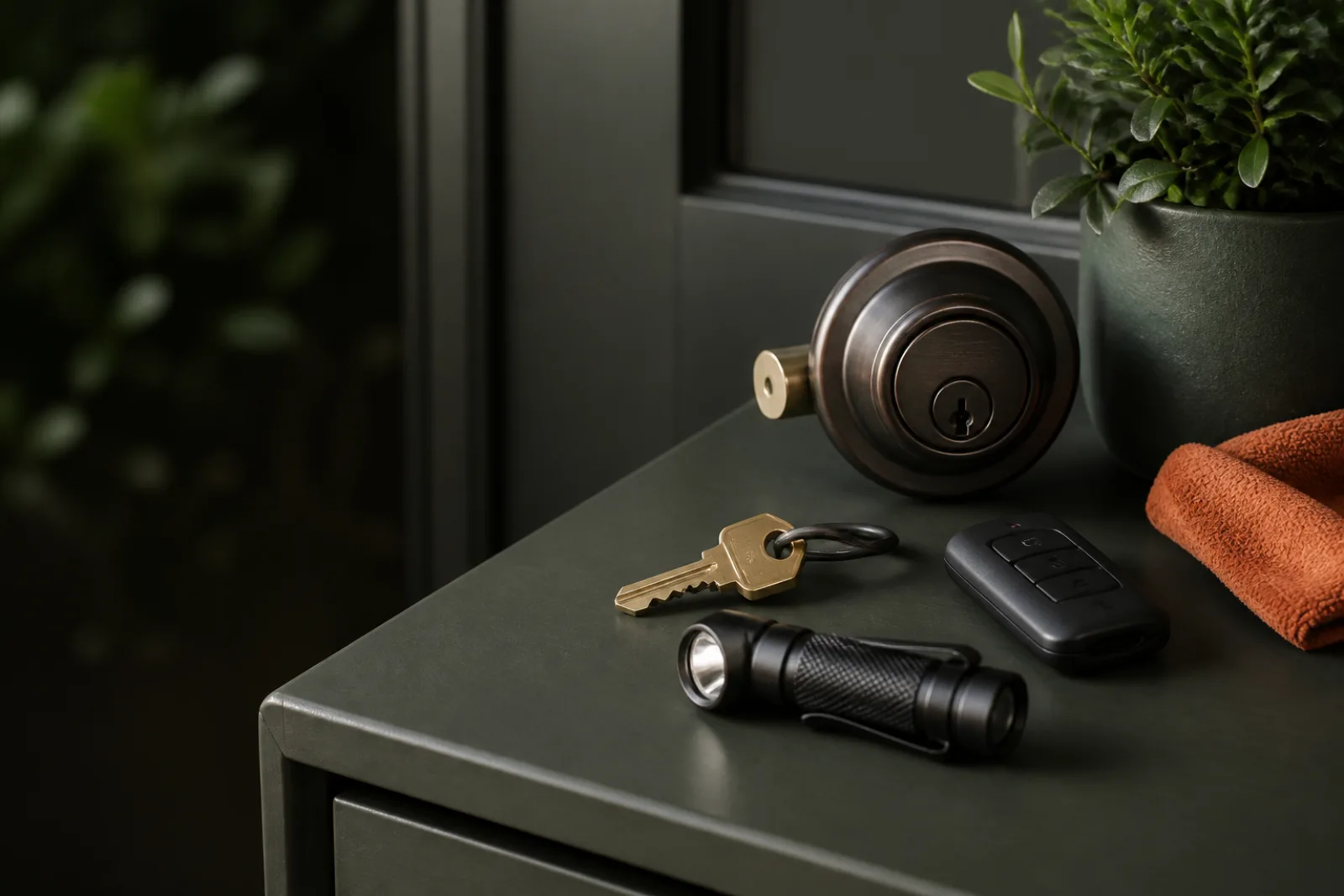
Include secondary entries in household handoffs. A dog walker may need the side gate but not the garage. A contractor may need one scheduled access window rather than a permanent key. A teenager may know the garage code but not what to do when the interior door fails to latch. Assign the smallest practical access and recover it when the need ends. Then test the evening routine: lights, gate, overhead door, interior door, and final lock check. A checklist that matches real movement through the property is more useful than hardware bought without a plan.
Named sources
Frequently asked questions
Is the garage-to-house door important if the overhead door locks?
Yes. They are separate layers with different hardware and failure modes. Inspect and operate both according to property and safety requirements.
Should I hide a spare key near the side door?
Avoid obvious outdoor hiding places. Use a trusted person or properly managed secure arrangement that fits the property and lease.
Can rekeying fix a loose strike plate?
No. Rekeying changes key control. Loose, pulled, or misaligned strike and frame parts need repair.
How often should I inspect secondary doors?
A quick monthly check is useful, plus another after access changes, severe weather, impacts, lost keys, or contractor work.
Continue reading
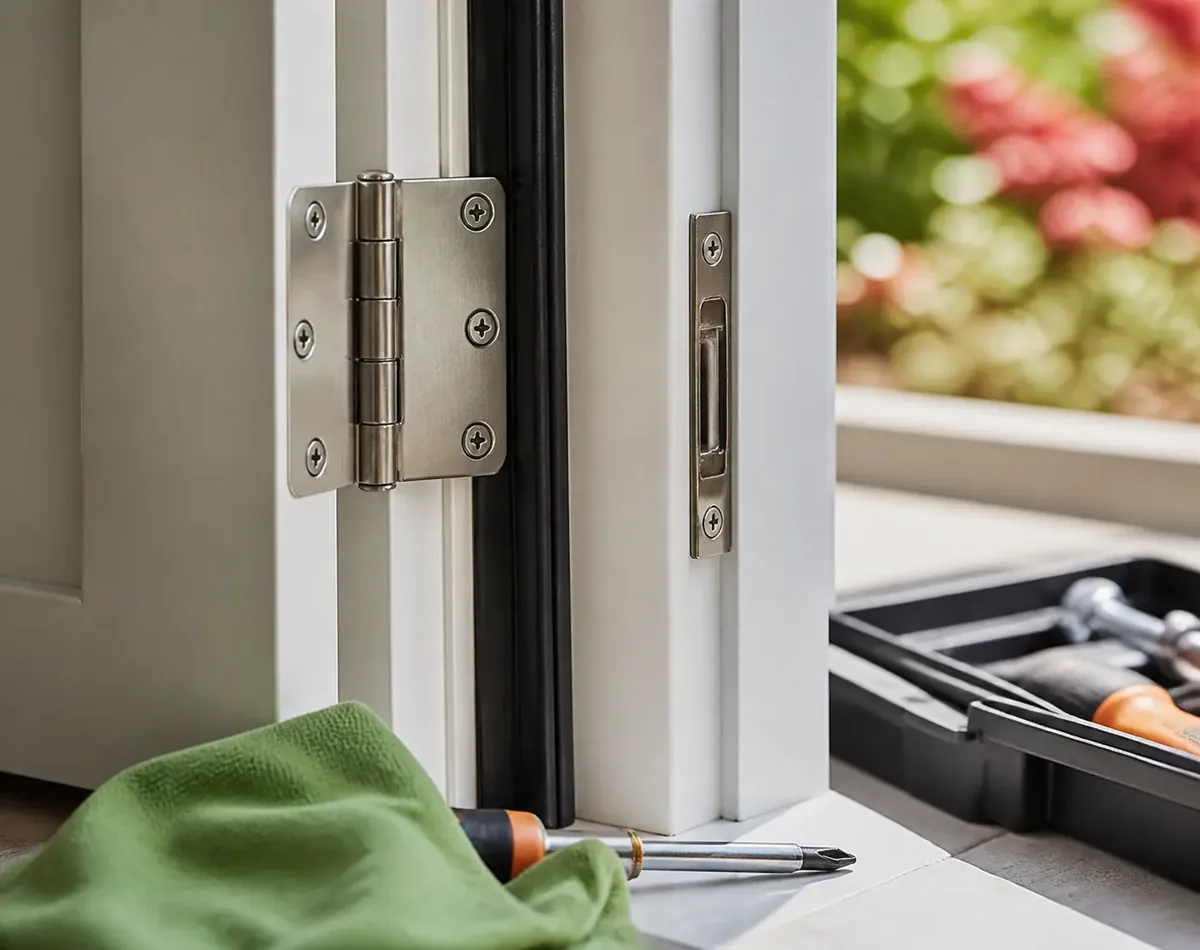
A Home Lock Maintenance Checklist for North Texas
Simple checks for doors, deadbolts, latches, keys, and weather-related alignment changes.
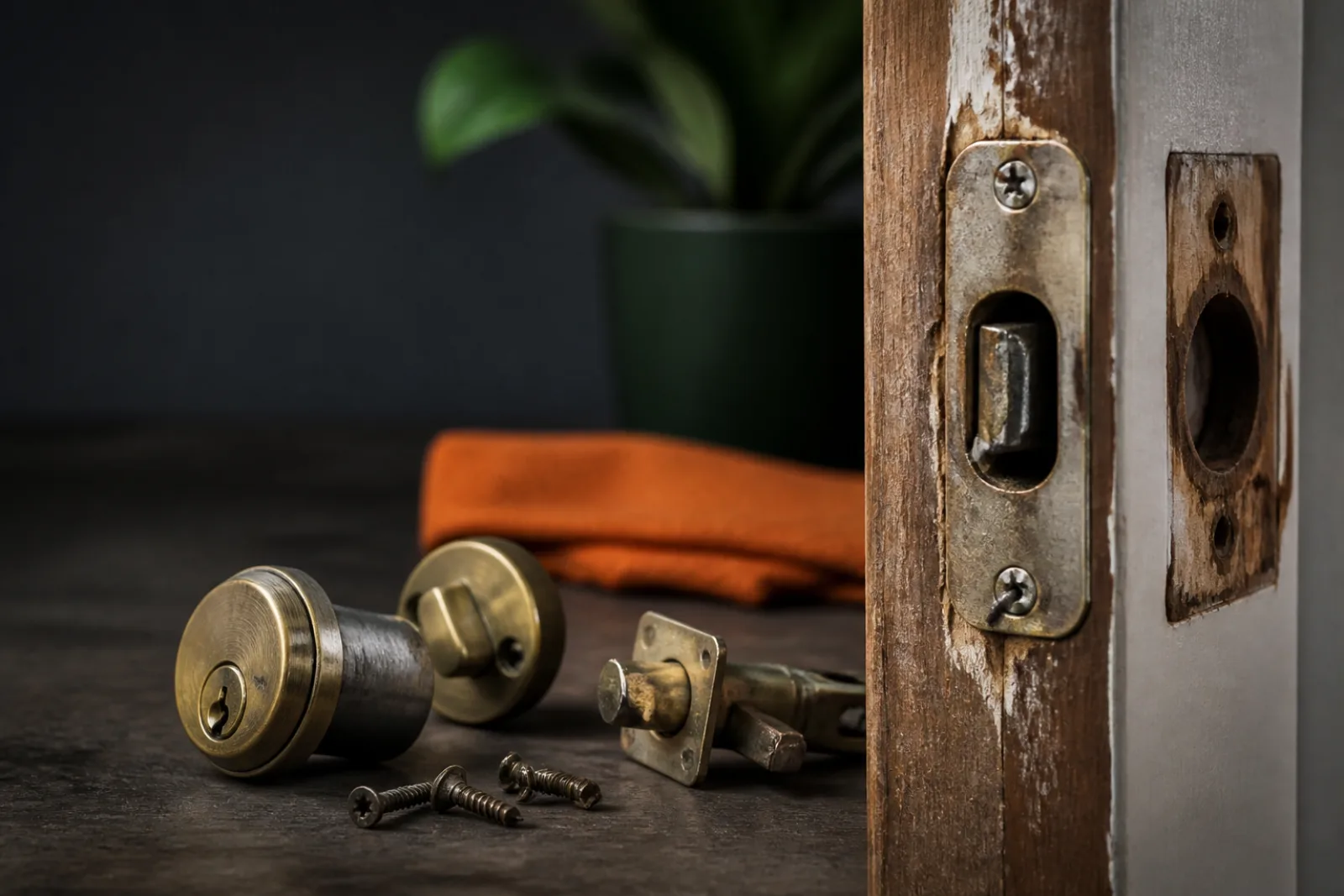
After a Break-In: Rekey, Repair, or Replace?
A calm post-incident checklist for documenting damage, restoring key control, and deciding which door hardware needs repair or replacement.
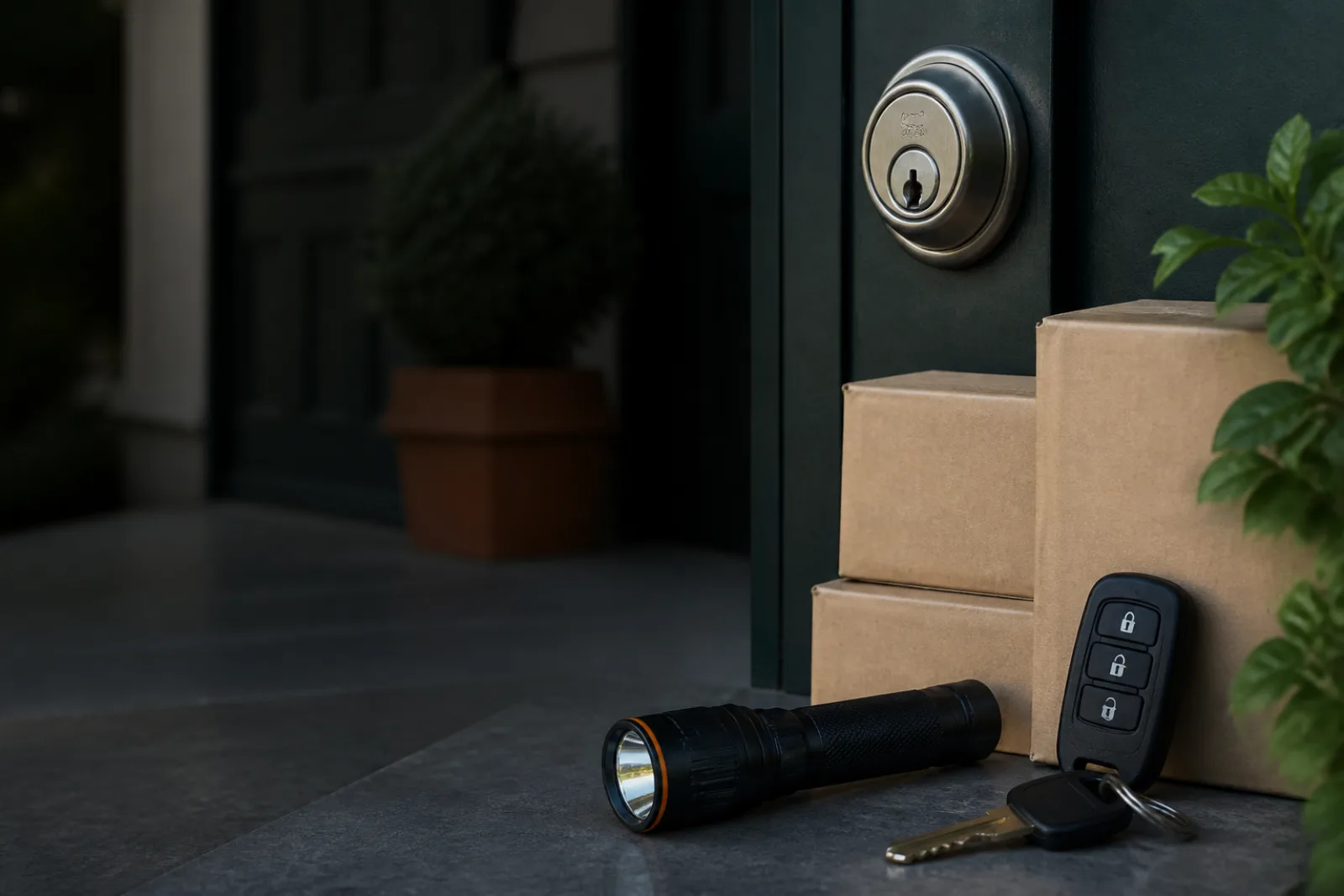
New to the Fort Worth Area? A Move-In Security Checklist
A whole-property move-in security walk for Fort Worth-area homes, including doors, garage access, gates, mail, keys, and local service planning.