
Quick answer
- Safety and evidence come before hardware work.
- A lock that still turns may still have hidden damage.
- Rekey restores key control, repair restores function, and replacement addresses failed hardware.
- Inspect the door, frame, strike, hinges, and lock together.
- Recheck repaired openings after normal household traffic returns and recover temporary cleanup keys.
Do not start by taking the lock apart
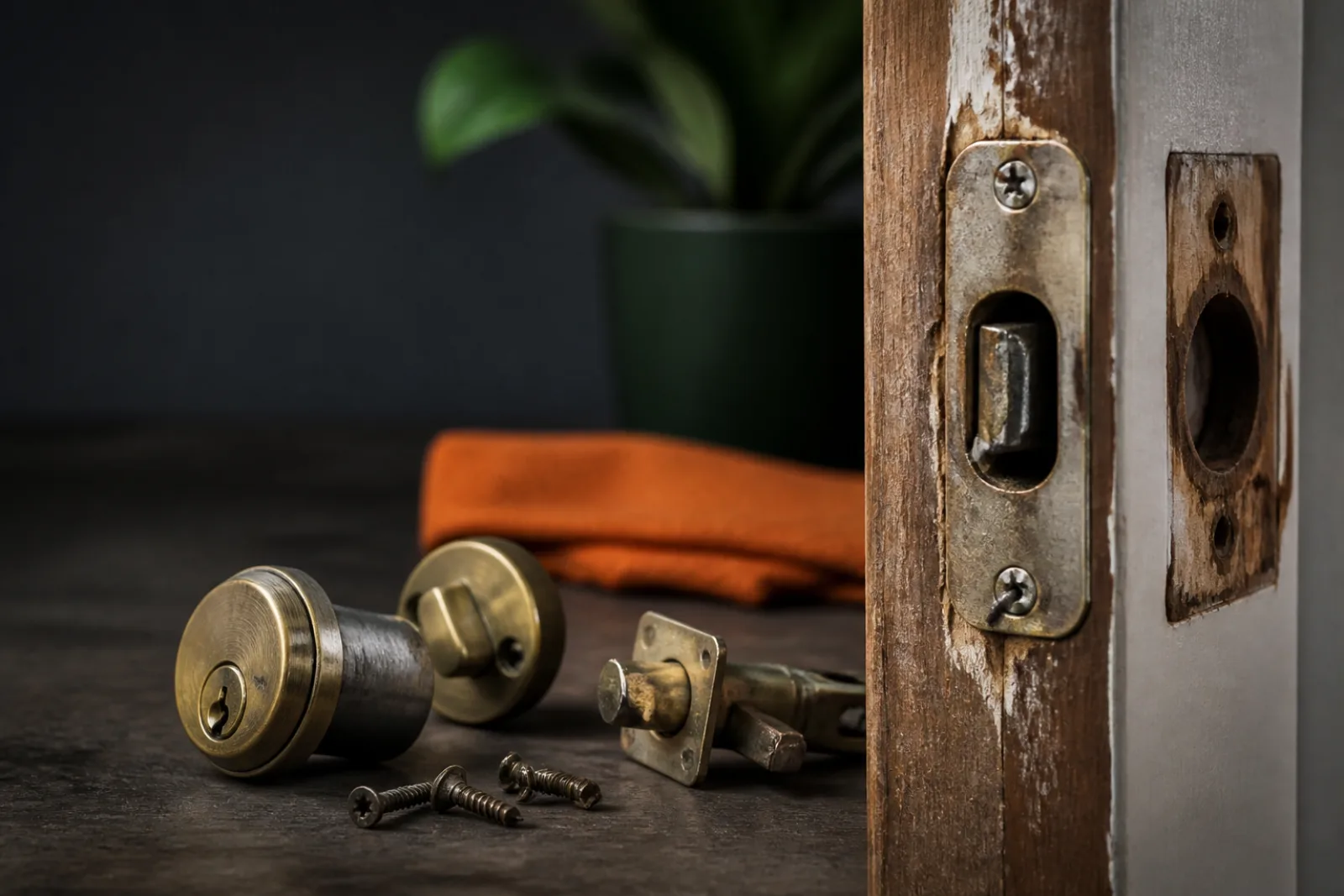
If you return to a Fort Worth home and see a damaged jamb, open door, pry marks, or broken glass, stay outside and call police. Do not enter to inspect. Once law enforcement says the scene is safe, photograph the approach, door, frame, strike, lock, and any displaced pieces before cleaning or moving them.
Ask the insurer what it needs before permanent work begins. A temporary secure-up may be necessary, but keep receipts and photographs. The goal is to make the property safe without erasing the condition that police, the landlord, or the claims adjuster needs to see.
If the home cannot be secured, review urgent locksmith cost factors and call with a precise description. Do not promise yourself that a new cylinder will fix a split jamb.
Rekey, repair, and replace solve different problems
| Choice | Best fit | What it does not fix |
|---|---|---|
| Rekey | Working hardware with uncertain keys | Bent bolts, split frames, loose doors |
| Repair | Serviceable hardware or alignment damage | A badly compromised or obsolete lock |
| Replace | Broken, deformed, unreliable hardware | A weak jamb or missing reinforcement by itself |
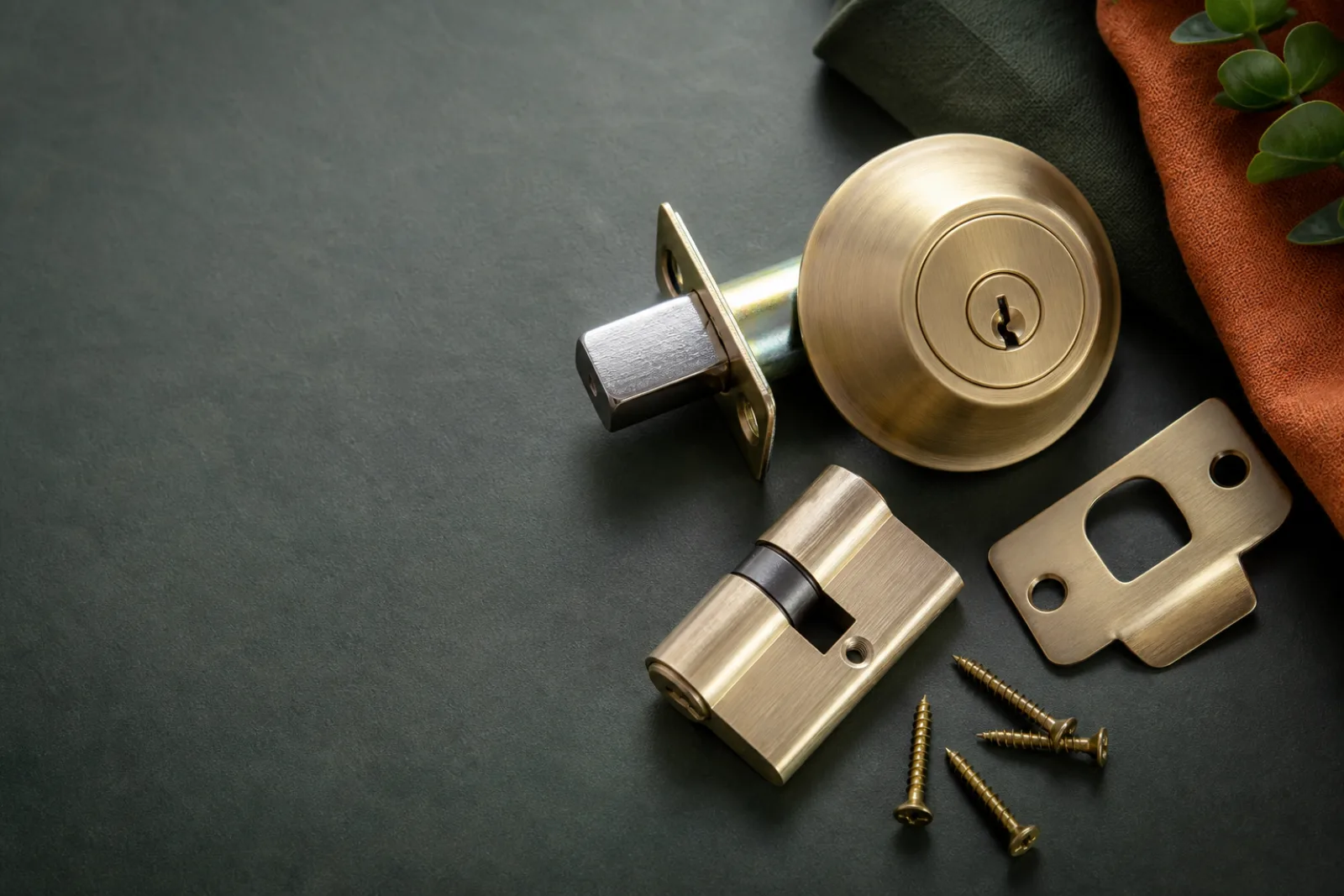
Rekeying is about access control. If keys were taken or the intruder could identify the address, old keys should stop working. The residential rekeying page explains that scope.
Repair is appropriate when a component can be returned to reliable operation. Replacement makes sense when metal is cracked, trim is pulled away, the cylinder no longer holds securely, or the hardware cannot provide the function the opening needs.
Inspect the whole opening
- 1Door slab
Look for splitting, crushing, flexing, and damage around the bore or edge.
- 2Frame and strike
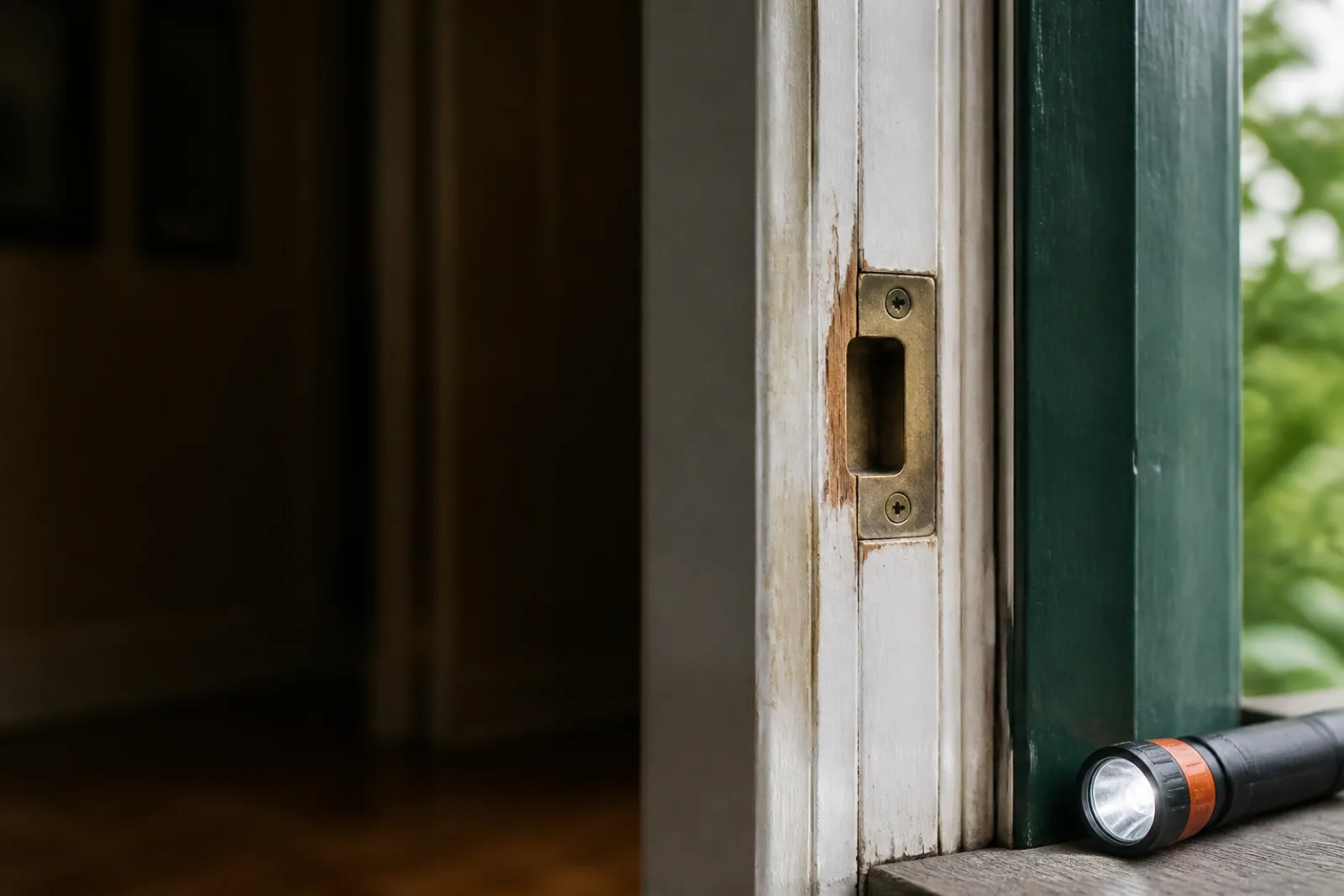
Check pulled screws, broken wood, distorted metal, and bolt alignment.
- 3Hinges and closer
Confirm that the door hangs and closes correctly.
- 4Lock and latch
Test only after evidence is released and the opening is safe.
An attempted entry at a side door in Benbrook may leave the deadbolt operational but pull the strike screws through soft wood. A commercial aluminum door near downtown may show less obvious frame distortion. The visible lock is only one piece of the opening.
The lock repair and maintenance page is the service owner for damaged residential hardware. Ask who handles carpentry, glass, frame welding, alarms, or cameras when those trades are also needed.
Restore key control and daily routines
Recover household, contractor, cleaner, and neighbor copies that can still be accounted for. Change garage, gate, alarm, and smart-device credentials separately because a mechanical rekey does not update them. Do not write the address on spare-key tags.
For rentals, notify the owner or manager in writing before authorizing permanent alterations unless safety instructions or the lease say otherwise. Keep the incident number, work authorization, old hardware if requested, invoice, and list of affected openings together.
Walk the property in daylight. Garages, patio doors, gates, and utility-side entries are easy to overlook after attention has centered on the damaged front door.
The final test
Test every repaired lock with the door open and closed. The bolt should extend without lifting, leaning, or slamming the door. Keys should turn without unusual force. A door that works open but binds closed still has an alignment problem.
Ask the technician to identify what was rekeyed, repaired, or replaced and what remains outside the locksmith scope. Keep that plain-language record for the insurer and for future maintenance.
A break-in is stressful, and buying the most expensive lock on the shelf can feel like action. A measured plan is better: preserve evidence, correct structural damage, restore key control, and verify every entry point.
Check the opening again after a few days of normal use. Fresh repairs can settle, and a door tested gently may behave differently when groceries, children, pets, or deliveries bring back usual traffic. Ask household members to report sticking instead of compensating with force. Review outdoor lighting, alarm contacts, and camera coverage with the appropriate providers, but keep those systems separate from the mechanical work record. Finally, decide who holds new keys and recover temporary copies issued during cleanup. The goal is a controlled, documented entry that still works cleanly next week.
Named sources
Frequently asked questions
Should I change every lock after a break-in?
Not automatically. Inspect every affected opening, then rekey serviceable locks with uncertain keys and repair or replace damaged hardware as needed.
Can a rekey fix pry damage?
No. Rekeying changes which key operates the cylinder. Pry damage to the lock, door, strike, or frame needs separate repair or replacement.
When should I call police?
If you see signs of entry or believe someone may still be inside, stay away and call police. Follow their instructions before touching the scene.
What records should I keep?
Keep photographs, the incident number, insurer instructions, authorizations, invoices, and a list of openings and credentials changed.
Continue reading
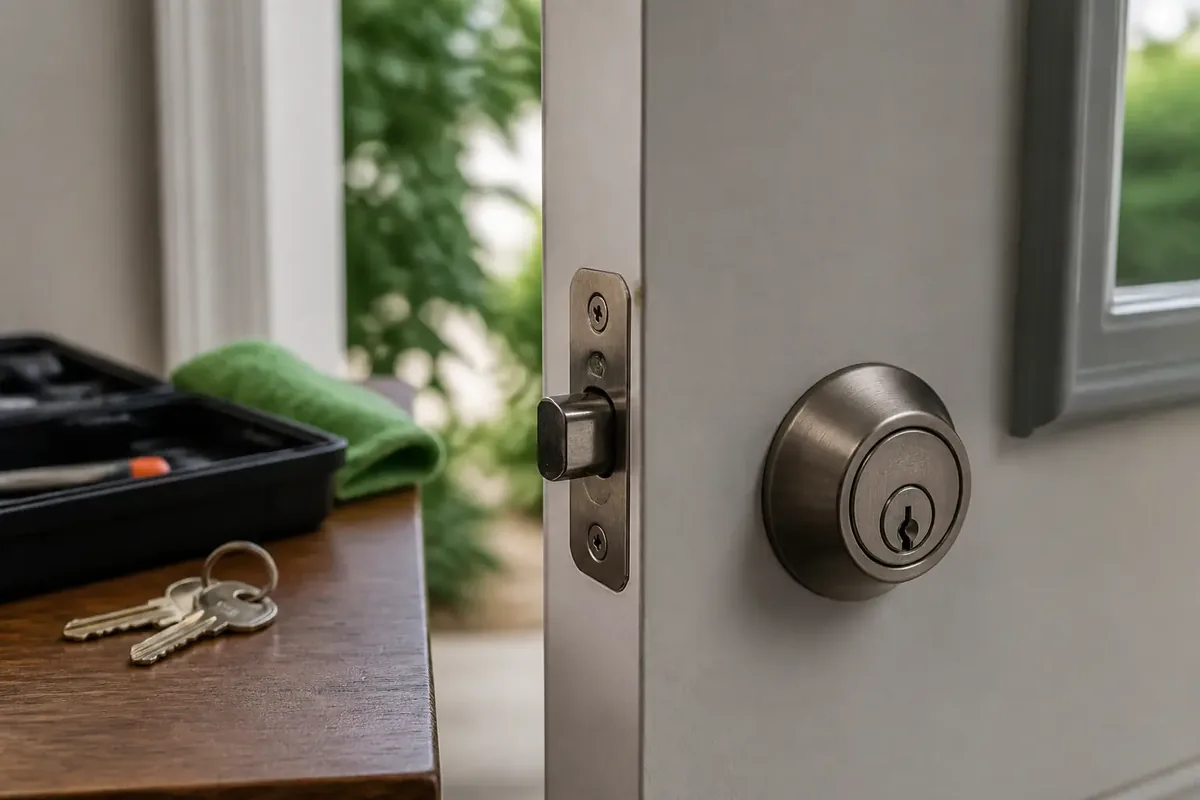
Lost or Stolen House Keys: What Should You Do Next?
A practical response plan for lost keys, stolen keys, and uncertain key control at home.
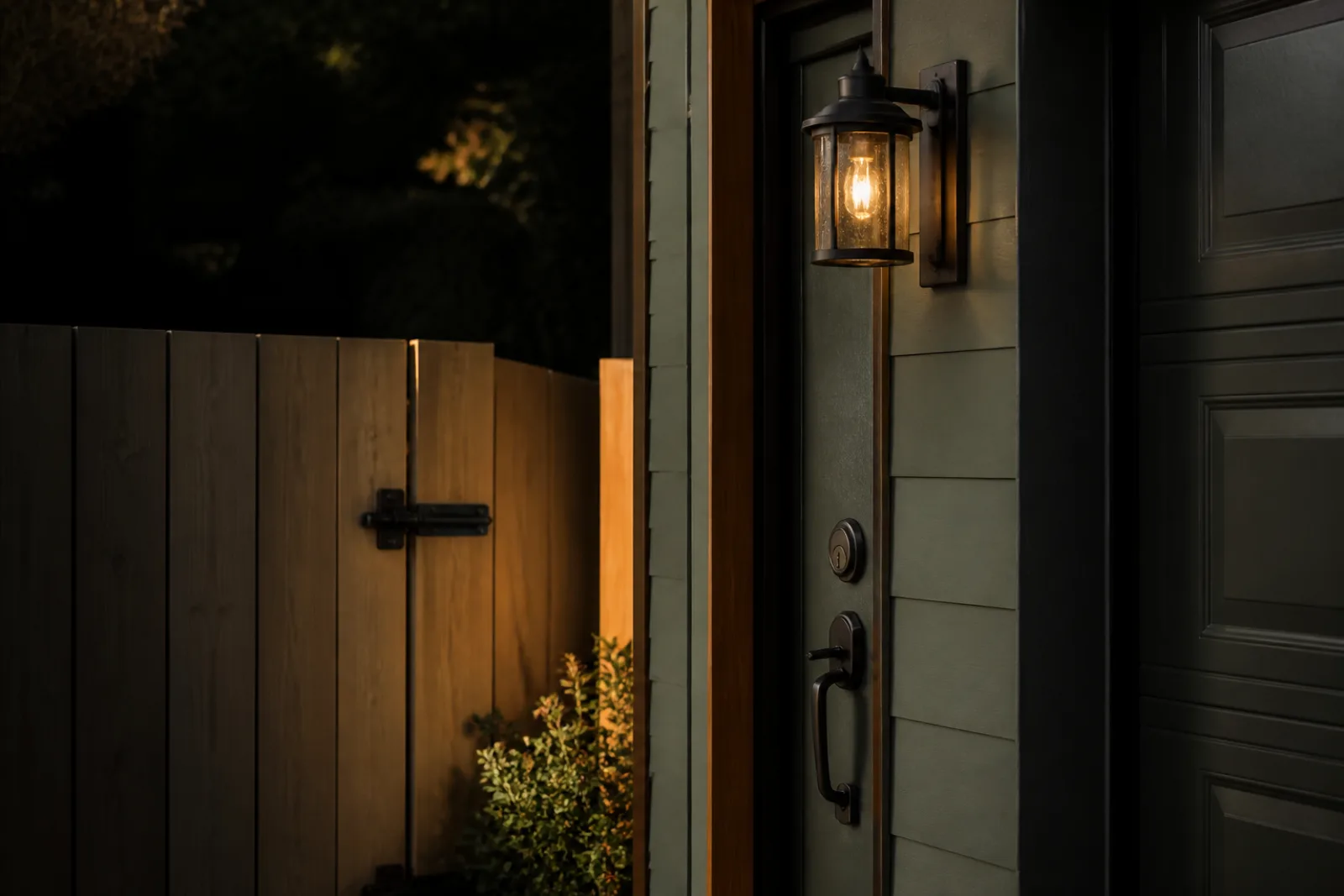
The Doors Burglars Actually Use: Garage and Side-Entry Security
A practical inspection of secondary entries, garage-to-house doors, side gates, lighting, key control, and hardware condition.