Quick answer
- A key with identifying information creates more risk than a random lost key.
- Rekeying restores control without replacing good hardware.
- Electronic codes and remotes need separate changes.
- Document theft concerns and notify the right people quickly.
How urgent is the loss?
A missing house key is not always an emergency, but it can become one when the key was stolen, labeled, lost with identification, or taken during a dispute. If someone can connect the key to the property, you no longer have reliable key control.
If you own the affected locks or have written landlord authorization, rekeying is usually the right first move. The published lock rekey cost guide lists $15 to $50 per cylinder and a $40 to $90 service call.
For renters and property managers, the Texas rekeying laws guide explains the state-specific rules that can apply before any lock work is arranged.
What to do right away
Start with the steps you can take without changing property hardware or shared access.
- 1Check the last known location
Think through where the key was used and who may have seen it.
- 2Look for identifying clues
A key tag, address note, or storage habit can make a lost key more risky.
- 3Notify the right people
Tell the landlord, property manager, or relevant household members about the loss.
If you rent, get written approval from the landlord or property manager before rekeying, changing codes, or resetting shared access. At a Fort Worth rental near Camp Bowie Boulevard, include the affected entry in that written request.
- 1Arrange approved lock work
Ask the authorized owner or manager to approve the rekey or replacement before it is arranged.
- 2Update authorized electronic access
Change codes, remote access, and alarms only when you are authorized to manage them.
Do not dismantle property hardware or arrange unauthorized work because an online article sounds confident.
Rekeying versus replacement
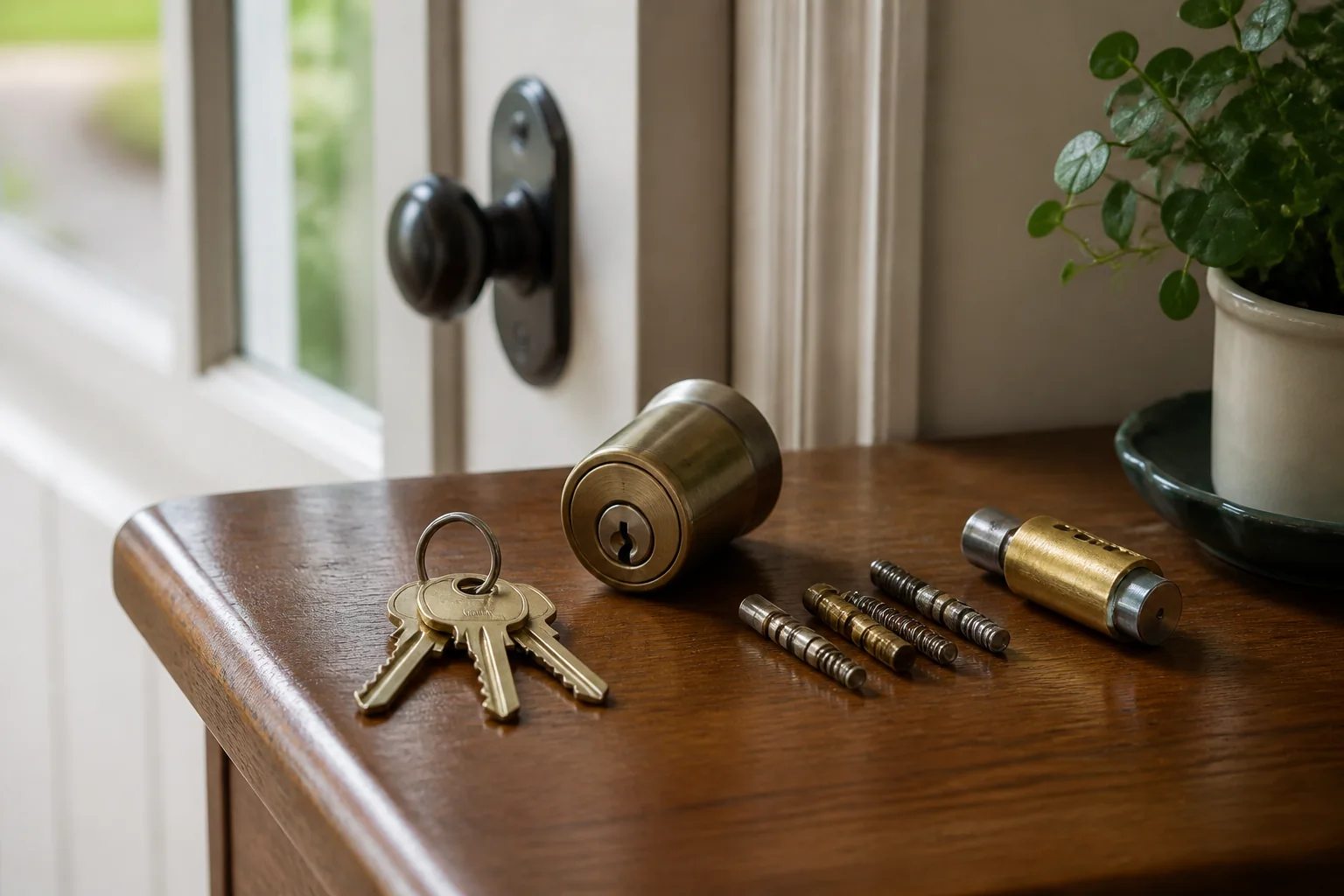
Rekeying is usually the first mechanical fix because it preserves serviceable hardware and invalidates the old key. Replacement is better when the hardware is worn, outdated, or no longer fits the security plan you want.
If the home uses more than one access system, remember that a new key does not affect every entry method. Garage remotes, keypads, and smart locks each need their own review.
What records to keep
Write down the date, the number of keys lost, where they may have gone missing, and which locks were changed. If theft is possible, keep screenshots, messages, or any other evidence that supports the concern.
Give those notes to Hi-Q before approved work is dispatched.
How to reduce the chance of a repeat problem
Use fewer loose copies, avoid address labels on key rings, and store spares in a secure place rather than an obvious hiding spot. When access changes, recover the old keys instead of assuming they are gone forever.
Frequently asked questions
Will rekeying make the old key stop working?
Yes, for the cylinders that are rekeyed. Test the new keys before the technician leaves.
Should I call the police about a stolen house key?
If theft is suspected or the keys can be tied to your home, it can be appropriate to document the loss with law enforcement.