
Quick answer
- Count cylinders, not just doors.
- Separate key-control problems from hardware problems.
- A mixed rekey and replacement plan is common.
- Use the worksheet for scope and the cost guide for ranges.
- Keep the completed worksheet as the baseline for future access or alignment changes.
Minute one: inventory the openings
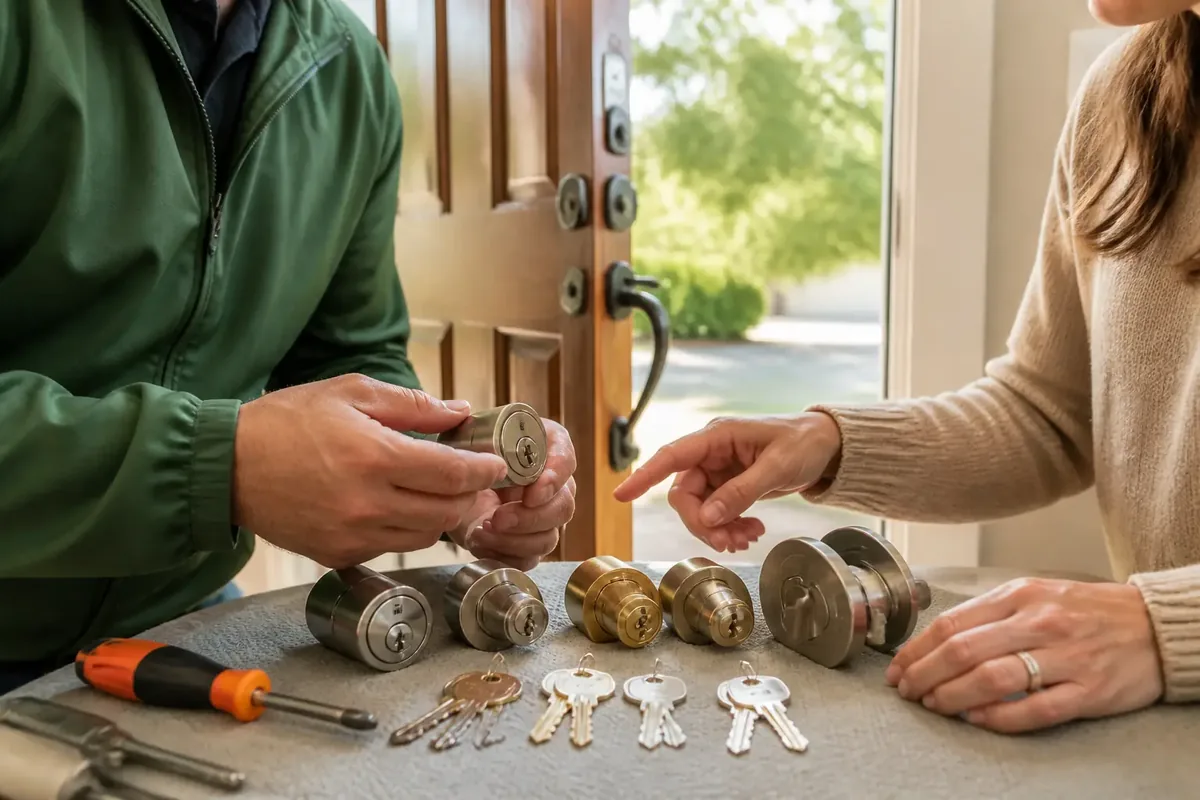
Walk the property once without deciding what to buy. List the front, back, side, garage, gate, detached structure, and any door that controls meaningful access. A double-cylinder deadbolt or separate knob and deadbolt can make one door more than one cylinder.
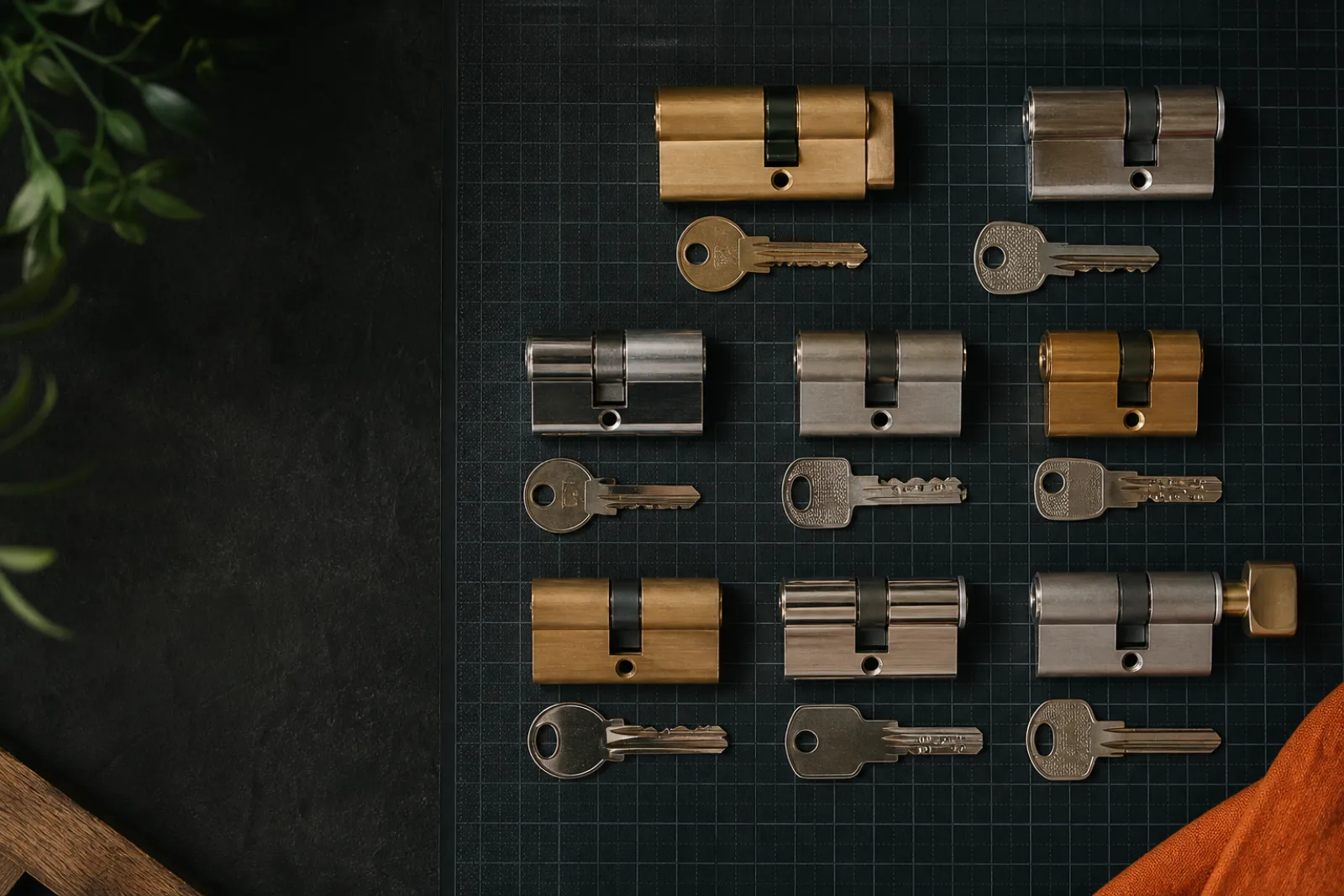
In an older Fort Worth house, the front hardware may be one brand and the garage entry another. A recently added patio door may use a third. Compatibility affects whether one key can operate several locks, so photograph the face and edge without removing anything.
For current ranges, use the lock rekey cost guide. The worksheet prevents you from requesting a vague 'change the locks' price that means something different to every caller.
Minute two: test open and closed
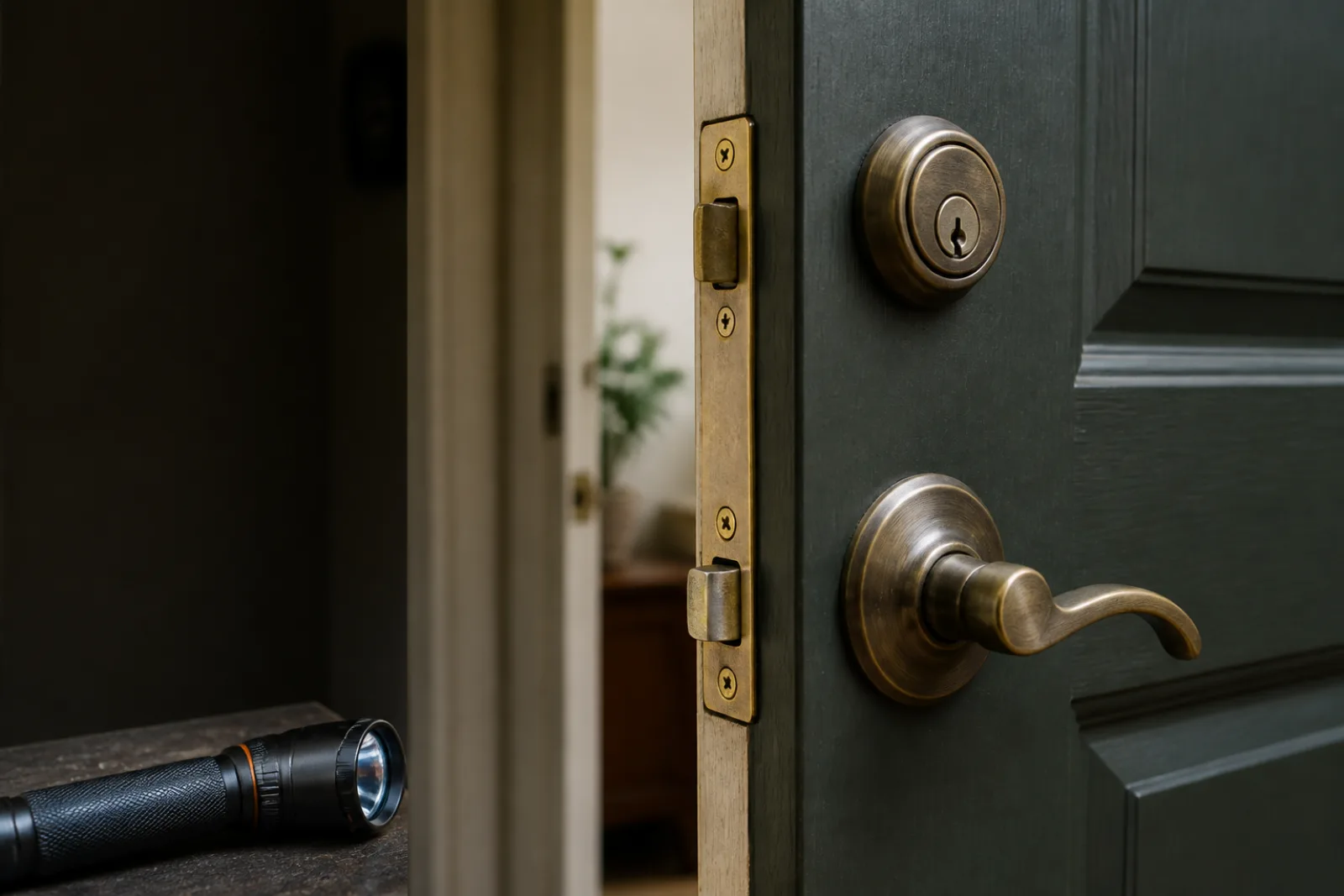
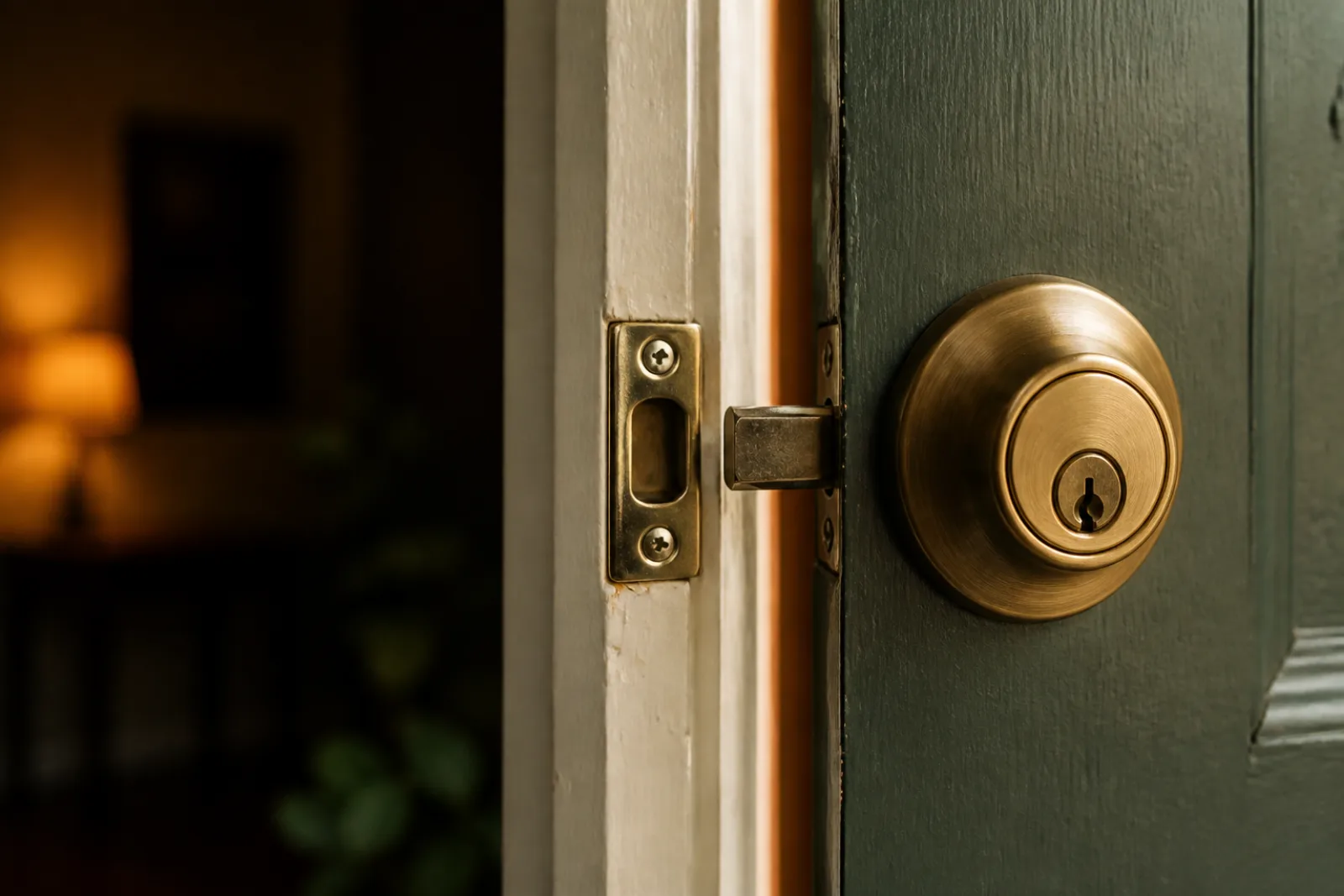
Turn each key gently with the door open, then close the door and repeat. Smooth when open but hard when closed usually points to alignment, hinge, strike, or weather-seal pressure. Rough in both positions points more toward the key, cylinder, or lock body.
Mark each opening green for smooth, yellow for unreliable, or red for damaged and unsafe. Do not force a key to finish the test. A cracked key or heavily loaded bolt can snap during what was supposed to be an inventory.
Loose trim, a shifting cylinder, a latch that misses, and a bolt that cannot extend fully belong in the condition column. Rekeying alone does not repair those symptoms.
Minute three: answer the key-control question
| Question | Yes suggests | No suggests |
|---|---|---|
| Could unknown copies exist? | Rekey serviceable cylinders | Keep current keying if condition is good |
| Was a key lost with identifying information? | Prompt key-control change | Assess exposure and circumstances |
| Do you want fewer household keys? | Check compatibility for a keyed-alike plan | Independent keys may remain acceptable |
| Is hardware damaged or obsolete? | Repair or replace | Rekey may be enough |
Moving, a lost labeled key, a contractor handoff, or a household change can create a key-control problem even when every deadbolt feels perfect. That is where rekeying earns its keep.
If the only concern is a sticky side door, changing which key operates it is unlikely to help. Route the symptom to inspection and repair instead.
Minute four: build the mixed plan
- 1Rekey group
Serviceable compatible cylinders with uncertain keys.
- 2Repair group
Openings with alignment, latch, fastener, or serviceable component issues.
- 3Replace group
Cracked, loose, badly worn, incompatible, or unsuitable hardware.
- 4Specialist group
Glass, frame, access-control, or carpentry work outside locksmith scope.
A sensible plan might rekey four good cylinders, repair one misaligned strike, and replace one corroded side-door lock. That is not indecision. It is matching the fix to the condition.
The residential rekeying page explains service scope. Ask the provider to quote each group separately so a replacement recommendation does not hide the cheaper rekey items.
Minute five: request comparable quotes
Give each provider the same cylinder count, photos, symptoms, working-key status, and desired key plan. Ask what dispatch, labor, keys, parts, and approval rules are included. If inspection can change the price, ask which findings would do that.
Do not use this worksheet to diagnose internal damage from a photo. It is a scope tool. The technician still needs to inspect compatibility, wear, and door condition.
Keep the completed list after service. It becomes a maintenance record and makes the next lost key, move, or sticking door much easier to explain.
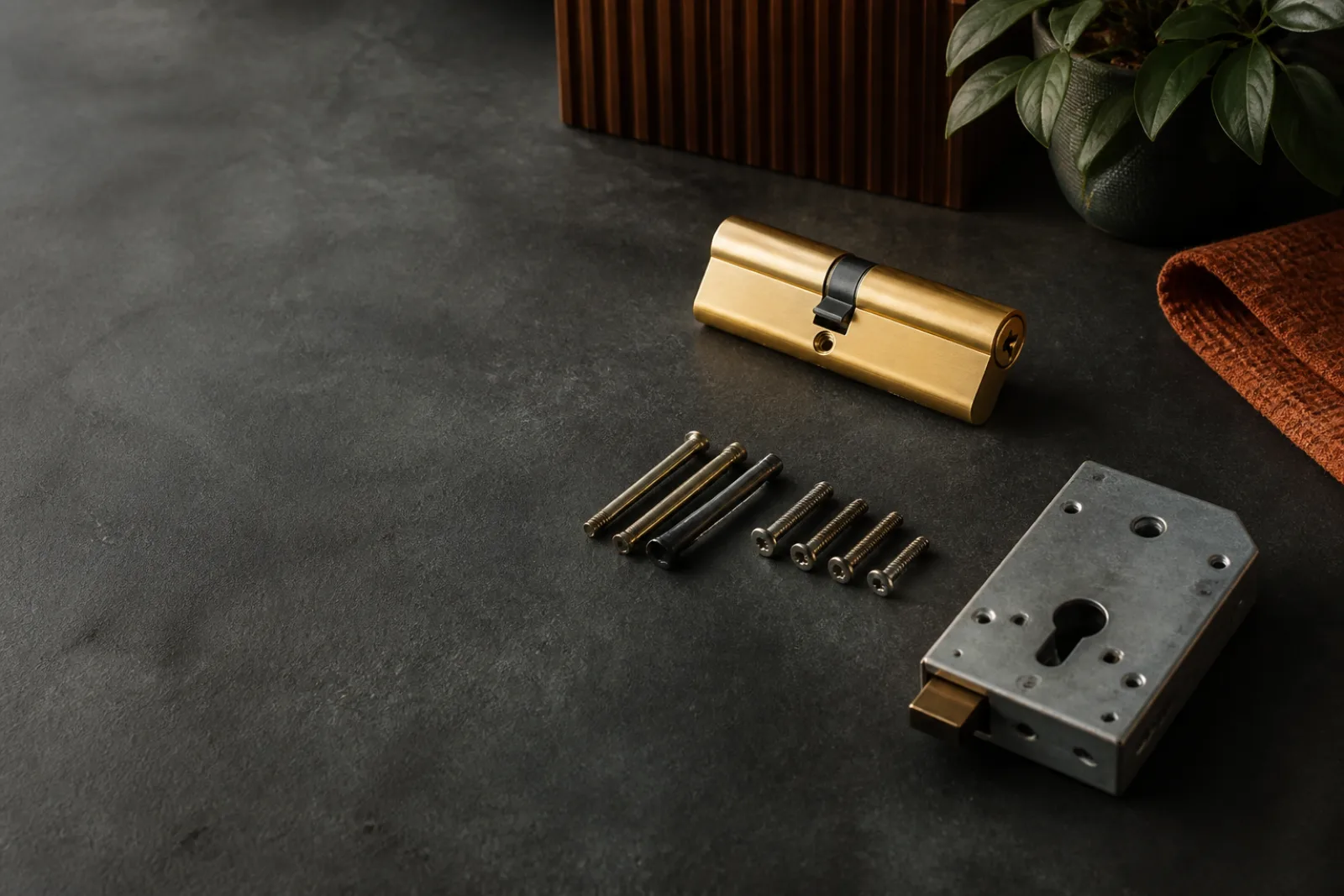
Add two columns after the visit: the final action and the key count. Write rekeyed, repaired, replaced, or no work, plus how many new copies were issued. Note which doors share a key without writing the property address on a loose tag. If inspection found a different cylinder family than the phone photo suggested, record that too. This turns a five-minute worksheet into a useful baseline rather than a disposable shopping list. Review the baseline when a resident, cleaner, pet sitter, contractor, or tenant no longer needs access. You may not need another whole-property job. The record can show which few cylinders were exposed. It also helps when a door begins binding months later, because you can separate a new alignment symptom from the key-control decision already completed. For a Fort Worth-area house with original and remodeled doors, expect the plan to stay mixed. Uniform appearance does not guarantee compatible cylinders, and different finishes do not prove incompatibility. Let inspection settle that question.
Named sources
Frequently asked questions
Is rekeying always cheaper than replacement?
It often uses existing serviceable hardware, but the total depends on cylinder count, compatibility, condition, keys, and job access. Use the cost guide for ranges.
Can every lock be keyed alike?
No. Cylinder families and keyways must be compatible, and inspection is needed before promising one key.
Does a sticky deadbolt need rekeying?
Not necessarily. Test it open and closed. Alignment, the key, cylinder wear, or other hardware may be responsible.
How many locks should I count on one door?
Count operable cylinders. A knob and deadbolt can be two, and some doors have additional keyed hardware.
Continue reading
Should You Rekey or Replace Locks After Moving?
A move-in checklist for deciding which locks to keep, which to rekey, and which to replace.
Door Won't Lock? A 10-Minute Troubleshooting Guide
A no-force test for door alignment, latch and strike problems, key wear, loose hardware, and the point where a repair call makes sense.